New Evidence Points to the Potential for Life on Enceladus
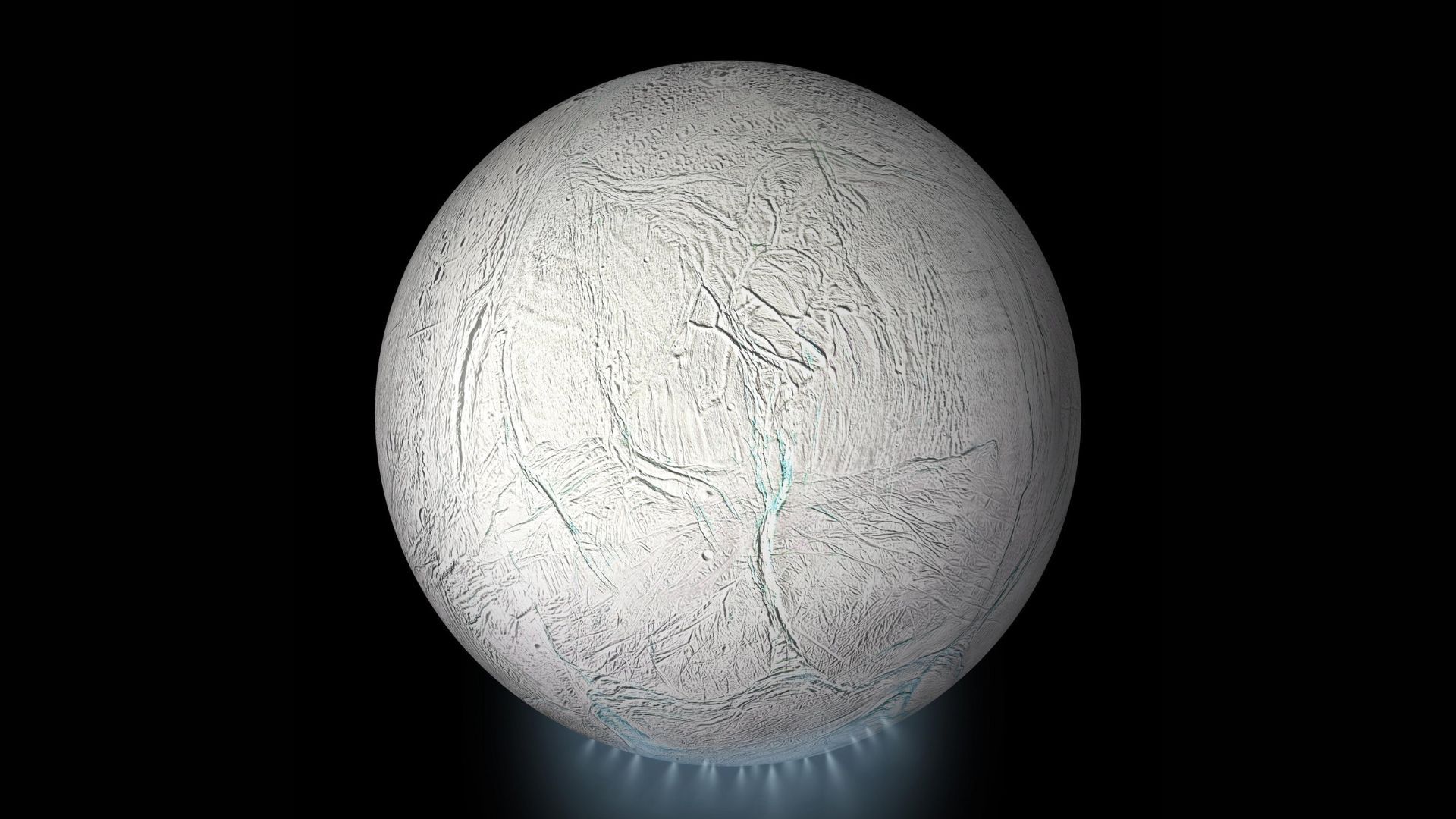
Recent studies suggest that Saturn’s moon Enceladus, known for its massive subsurface ocean, may be a prime candidate in the search for extraterrestrial life. This intriguing moon, roughly the size of Arizona, has captivating plumes of water that shoot into space, prompting scientific interest.
What Makes Enceladus Special?
Enceladus harbors an extensive, liquid ocean beneath its icy crust. Researchers believe this ocean may host hydrothermal processes, which could provide essential nutrients for life. Data from NASA’s Cassini spacecraft detected traces of salts and organic compounds, hinting at an environment suitable for life.
Frank Postberg, a leading researcher in recent studies, emphasizes the exciting implications of the plume’s characteristics. He notes that future spacecraft may find it easier to analyze samples, as these plumes could organize compounds and minerals, simplifying the search for biosignatures.
The Ocean’s Ingredients
Enceladus’ ocean exhibits features that could support life, including:
- Hydrothermal activity at the seafloor.
- Abundant organic materials and minerals.
Interestingly, Postberg’s studies reveal that the water droplets from the plumes do not freeze as rapidly as previously expected when they reach space. This slower freezing allows organic compounds and potential signs of life to separate and form distinct particles, which may enhance future sample collection missions.
Laboratory Simulations
To simulate conditions on Enceladus, researchers recreated its ocean in a lab, introducing the microbe Methanothermococcus okinawensis. This species thrives near hydrothermal vents on Earth and could adapt well to the moon’s conditions, given its low oxygen levels and reliance on hydrogen and carbon dioxide. The experiment showed promising results, with microbes thriving in the simulated ocean.
Future Prospects
The promising findings from these studies bolster hopes of discovering life on Enceladus. As Postberg remarks, “If there is life on Enceladus, future missions might have a solid chance of identifying it by analyzing individual ice grains from the plumes.”
Researchers anticipate upcoming missions, such as Europe’s L4, will delve deeper into Enceladus’ mysteries, potentially unlocking secrets of life beyond Earth.


