Discovering Flavoalkaloids in Cannabis Leaves
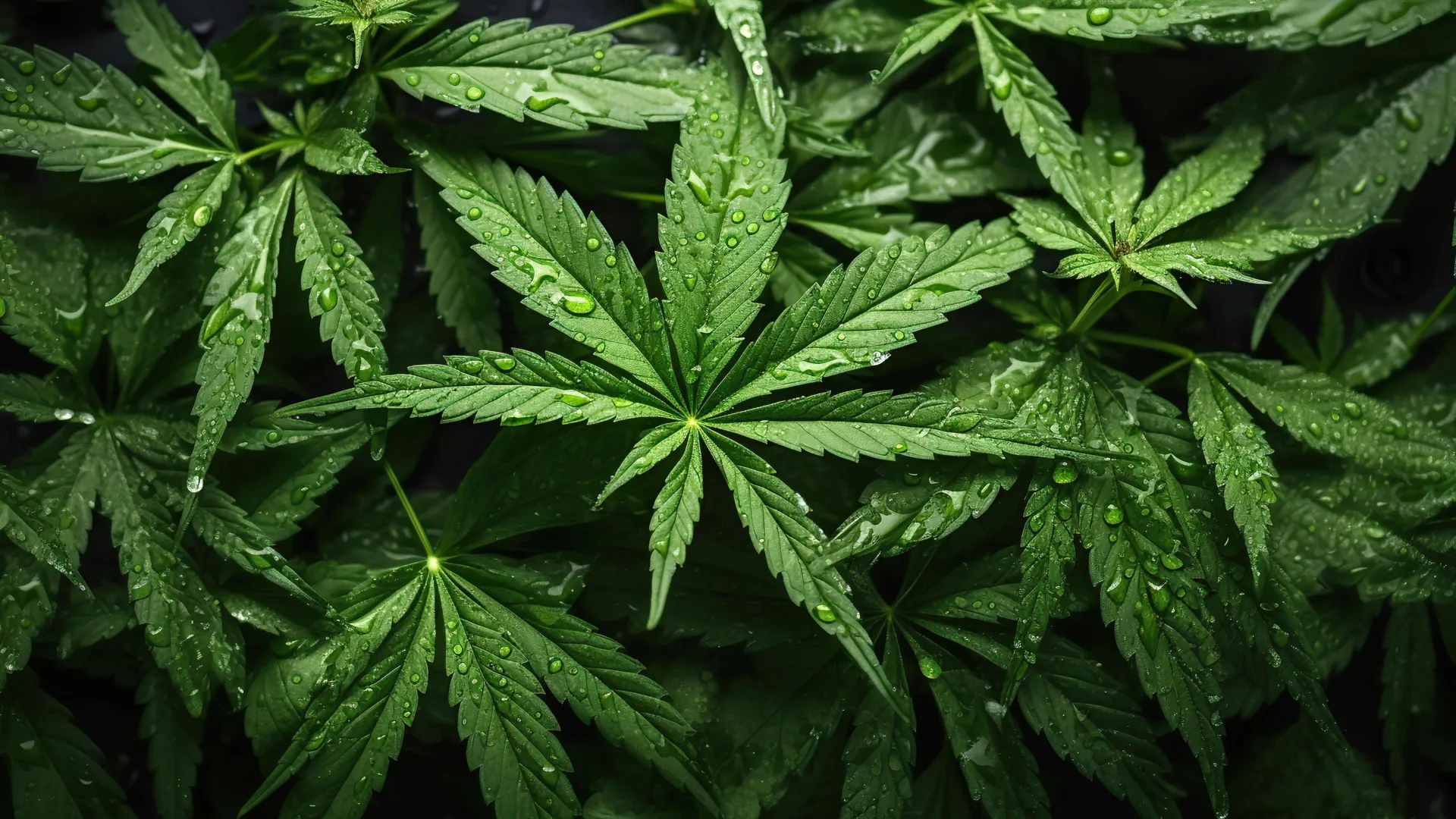
Researchers at Stellenbosch University (SU) have made an exciting discovery in the chemistry of Cannabis leaves: the presence of flavoalkaloids, a rare class of natural compounds. This finding suggests that the leaves, often considered low-value waste, might be rich in beneficial chemicals previously overlooked.
Understanding Flavoalkaloids
Flavoalkaloids fall under the broader category of phenolic compounds, which plants produce for various functions including pigmentation and protection against environmental stress. While flavonoids are well-known for their health benefits, flavoalkaloids are rare and less understood.
In their analysis, the researchers identified a total of 79 phenolic compounds from three commercially grown Cannabis strains in South Africa, with 25 of these compounds being new to science. Notably, 16 were identified as flavoalkaloids, predominantly found in one specific strain.
Complex Chemistry of Cannabis
Dr. Magriet Muller, the lead author, explained the challenges in studying plant phenolics due to their diverse structures and low concentrations. Cannabis is known to contain over 750 metabolites, making the variability in phenolic profiles among just three strains particularly surprising.
Innovative Analytical Techniques
The breakthrough stemmed from advanced analytical techniques developed by Muller. By combining two-dimensional liquid chromatography with high-resolution mass spectrometry, they could separate and identify compounds more effectively. This enhanced sensitivity was crucial in isolating the rare flavoalkaloids from the more abundant flavonoids.
Implications for Future Research
Professor André de Villiers, Muller’s study leader, emphasized that the newly identified compounds may have significant medicinal potential. Traditionally, research has focused mainly on cannabinoids, while the non-cannabinoid chemistry of Cannabis, especially in leaf material considered waste, warrants further investigation.
The discovery emphasizes the need to explore the rich non-cannabinoid phenolic profile of Cannabis, which might reveal valuable properties for biomedical research in the future.


