Understanding Pyrocumulonimbus Clouds: The INSPYRE Mission
As wildfires intensify globally, researchers are investigating the storm clouds that sometimes form above these blazes—specifically, pyrocumulonimbus clouds (pyroCbs). These clouds can inject smoke into the stratosphere similar to volcanic eruptions and are linked to severe weather phenomena, including lightning and “firenadoes.” However, much about these clouds remains an enigma, which complicates predictions and poses risks to communities and emergency responders.
The INSPYRE Mission
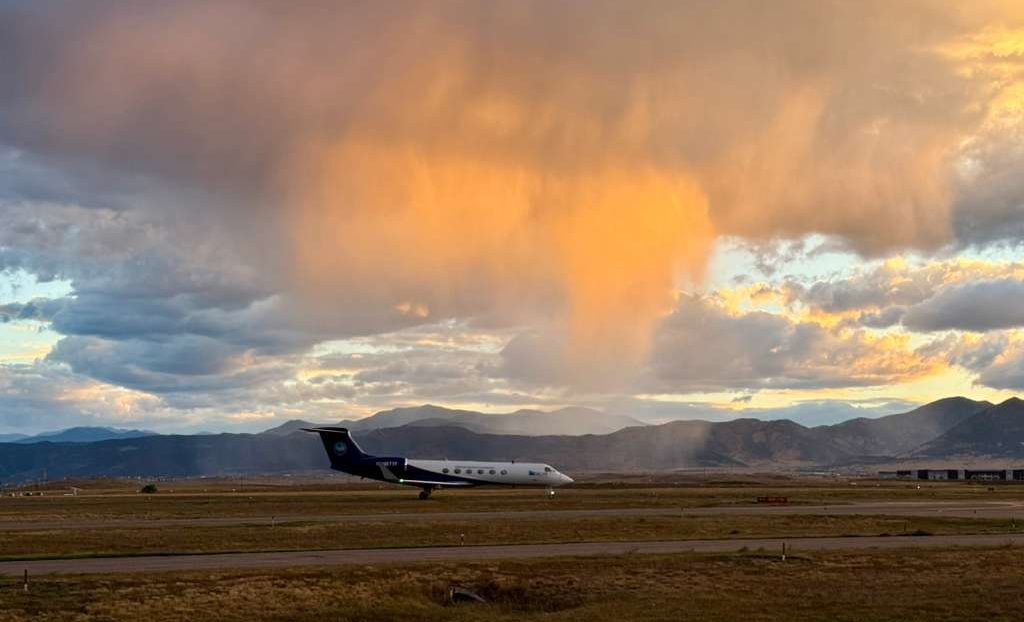
This summer, a multidisciplinary team from NASA, the U.S. Naval Research Laboratory (NRL), and the National Center for Atmospheric Research (NCAR) embarked on a mission called INSPYRE (Injected Smoke and Pyrocumulonimbus Experiment). This initiative aims to gather real-time data from active wildfires by flying specialized aircraft into smoke plumes. The mission allows scientists to collect data from within and above the clouds—an unprecedented approach to studying these phenomena.
How Firestorms Develop
Under hot, dry, and windy conditions, wildfires can produce dense smoke plumes that carry moisture and particles into the atmosphere. As the water vapor cools, pyroCbs form, acting as significant conduits that propel smoke high into the atmosphere. These clouds can create their own weather systems, generating conditions that contribute to further fire hazards, such as dry lightning and extreme winds, complicating firefighting efforts and evacuations.
Recent Findings and Global Impact
While pyroCbs are most often observed in North America and Australia, their emergence is becoming more frequent in Europe, particularly as climate conditions change. For instance, France reported its first pyroCb cloud in July. Observations indicate that the smoke from intense wildfires can exceed the output of notable volcanic eruptions, as highlighted by Australia’s Black Summer bushfire season of 2019-2020, which led to several such clouds.
Challenges in Understanding PyroCbs
Researchers still face challenges in understanding the complete dynamics of pyroCbs due to their relatively recent scientific study period. There is a need for more extensive research to comprehend how these clouds form and interact with local meteorological conditions. Real in-situ data from inside these clouds is sparse, limiting existing models’ accuracy in forecasting their behavior.
The Role of Smoke and Black Carbon
One of the critical aspects the INSPYRE mission is studying is black carbon, which significantly influences atmospheric conditions by absorbing solar radiation. Understanding how black carbon behaves in pyroCbs can provide essential insights for weather forecasting and climate modeling.
Conclusion: Future Directions
The INSPYRE mission marks an ambitious step toward filling knowledge gaps about pyroCbs. As researchers analyze the data collected, they aim to improve forecasting models and ultimately enhance community safety during wildfires. The ongoing study of these complex atmospheric phenomena is critical as the world faces more frequent and severe wildfire events due to climate change.


