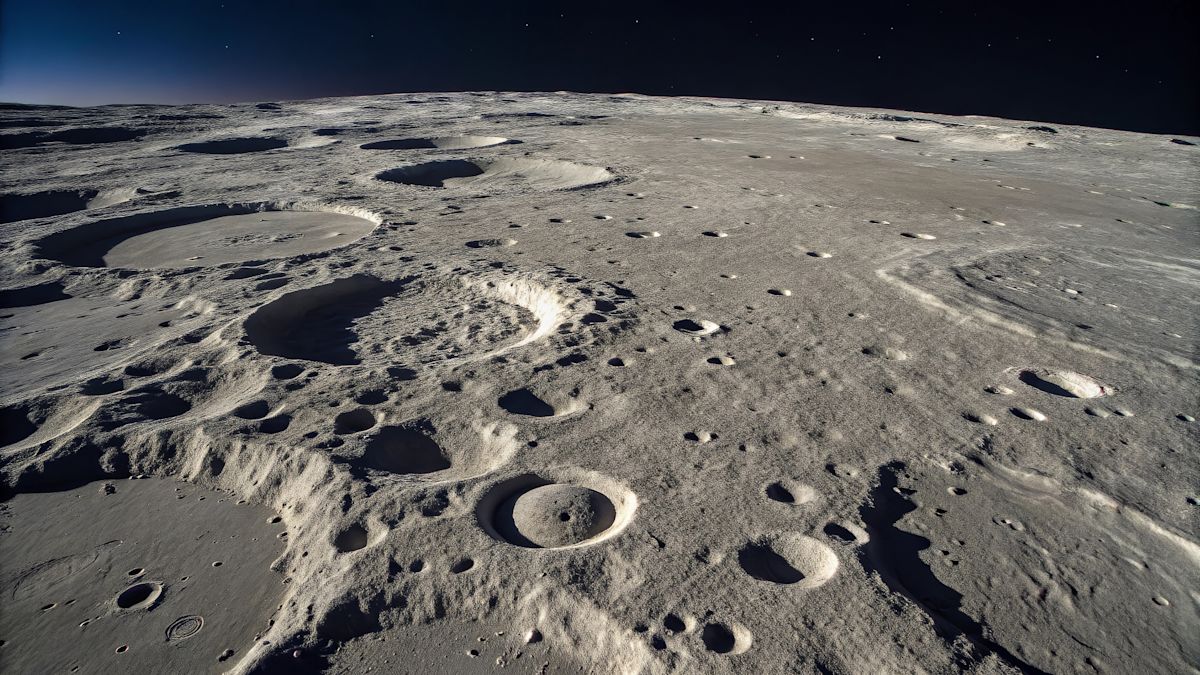
A recent scientific proposal suggests NASA should construct a high-security biocontainment facility on the moon to quarantine and study samples collected from Mars or other celestial bodies before they reach Earth. This recommendation emerges from the understanding that while no extraterrestrial life has yet been confirmed, the potential risks of introducing unknown organisms to Earth’s ecosystems warrant precautionary measures.
Frederick I. Moxley, co-author of the proposal, emphasizes the importance of updating our planetary protection strategies in light of growing space exploration ambitions. The facility would primarily utilize robotic systems for analysis, minimizing human exposure and the likelihood of releasing any potentially hazardous organisms.
The moon is seen as an ideal quarantine location due to its distance from Earth—about 240,000 miles—and its lack of a biosphere. Should any unexpected organisms be discovered during research, they could be contained on the moon, thus preventing any ecological risks.
The authors draw parallels with invasive species on Earth, noting the irreversible ecological impacts caused by introducing foreign organisms into new environments. As NASA and private aerospace companies ramp up exploration efforts, including missions to bring samples back to Earth, the need for updated biosafety protocols is critical.
Although NASA is in the planning stages for a lunar base, no biocontainment facility is currently under development. The hope is that this proposal will influence future discussions around space exploration and the necessary precautions to protect Earth’s biosphere. Ultimately, researchers advocate for the moon to serve as humanity’s first line of biological defense against potential extraterrestrial life forms.


