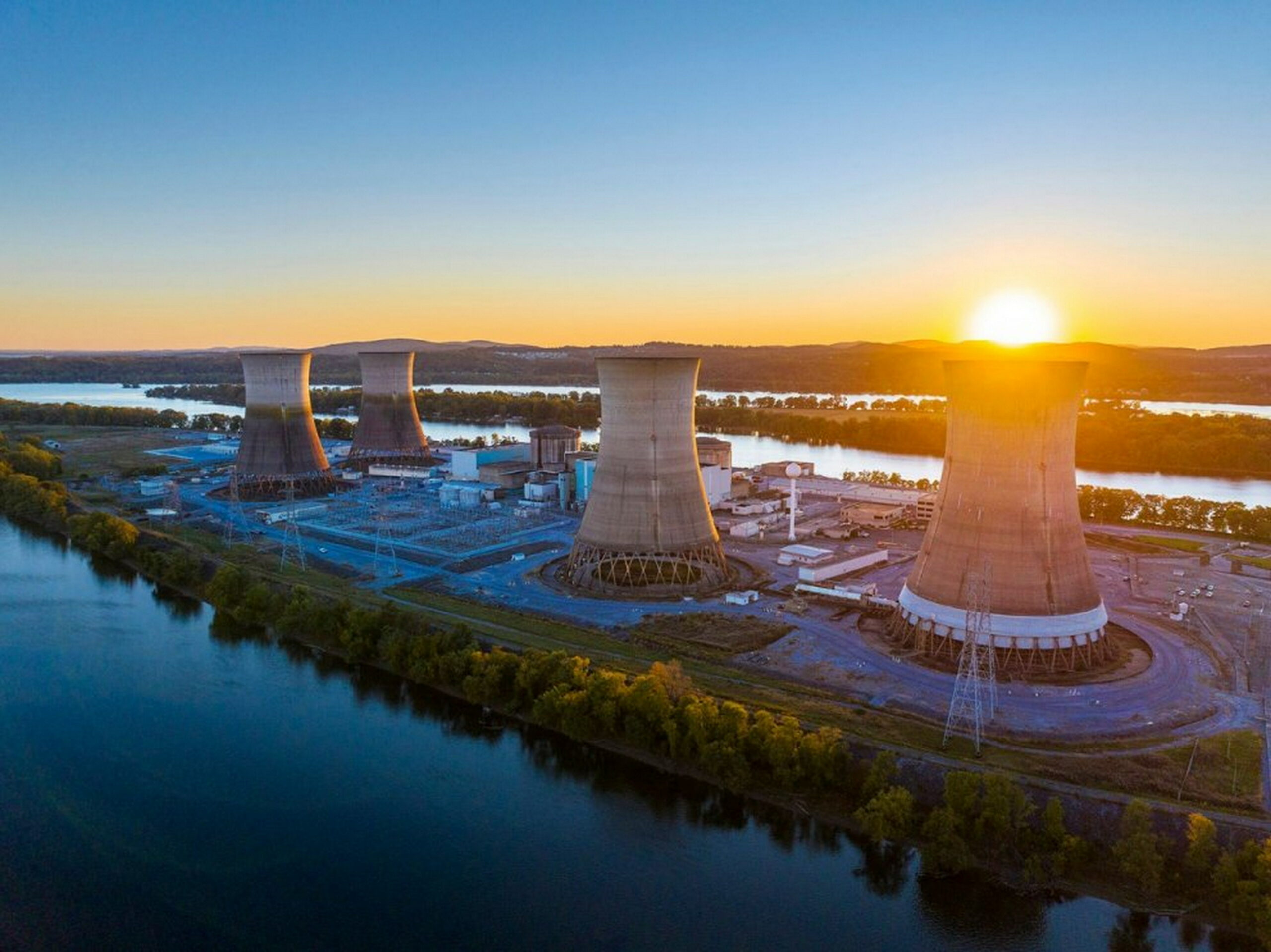
The conversation with Carlo Pelanda emphasizes several key points regarding Italy’s return to nuclear power and its implications for energy security, geopolitical positioning, and economic stability.
Key Insights:
-
Energy Vulnerability: Italy’s reliance on imported energy makes it vulnerable, with energy costs significantly higher than those of competing countries. The pressing need to address this dependency is evident.
-
Nuclear Power as a Solution: Pelanda advocates for next-generation nuclear power as a cornerstone for Italy’s energy future. He suggests that unlike intermittent sources like solar and wind, nuclear can provide a stable baseload energy supply.
-
Projected Timeline: Testing of new reactors could begin as early as 2028-2029, and Pelanda urges for an accelerated timeline to implement these solutions before the initially projected 2034.
-
Impact on Industrial Relations: A robust nuclear energy framework could mitigate the risk of deindustrialization driven by high energy costs, which could lead to factory closures and inflation.
-
Strategic Defense Implications: The integration of nuclear technology could extend beyond civilian applications, potentially impacting national defense capabilities with nuclear-powered vessels.
-
Investor Confidence: A positive energy outlook linked to nuclear power can attract foreign investment, reinforcing industrial sectors critical for Italy’s global standing.
Conclusion:
Pelanda’s arguments highlight the intertwined nature of technological, military, and industrial strengths, advocating for a swift and strategic revival of nuclear power to bolster Italy’s energy independence and enhance its geopolitical stability.


