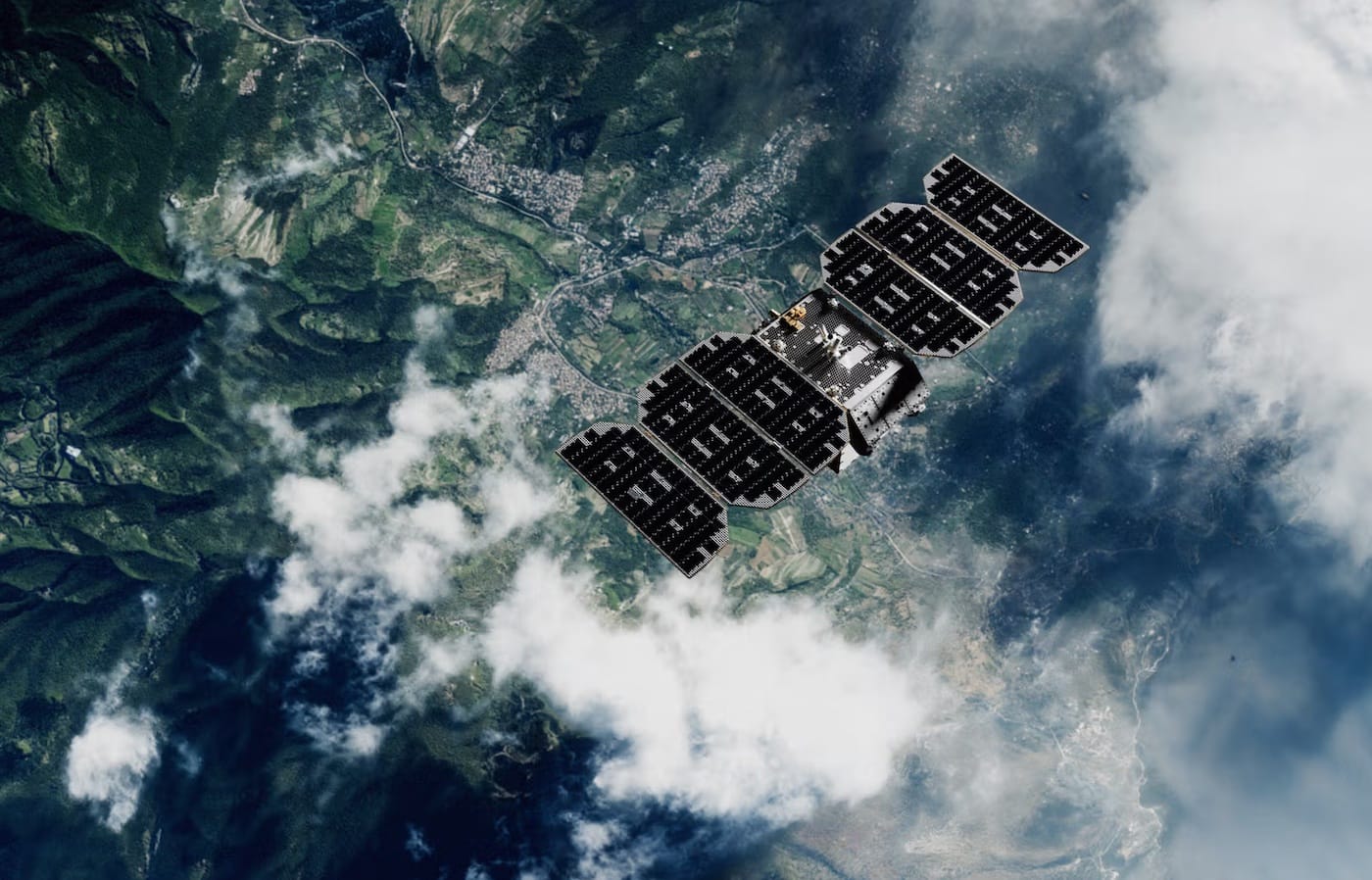
Google has launched a satellite called MVP in partnership with Planet Labs to explore the feasibility of operating AI data centers in space. The refrigerator-sized satellite took off aboard a SpaceX Falcon 9 rocket from Vandenberg Space Force Base, carrying Google’s tensor processing units (TPUs). The mission aims to assess the reliability of these AI chips in the harsh conditions of orbit, which include extreme radiation and heat.
This initiative is part of Project Suncatcher, aimed at utilizing solar power in space to meet escalating energy demands for computing. Google has been testing its AI chips on Earth since early 2025, simulating space radiation conditions using a particle accelerator. A unique cooling system was developed for the satellite, as traditional fans do not function in the vacuum of space, allowing chips to operate in cycles.
Plans for the future include launching additional satellites and creating a constellation for improved communication via laser links. However, challenges remain, such as managing satellite formations to prevent collisions, dealing with space debris, and assessing the environmental impact of satellite launches.
While Google’s testing indicates that its TPUs could function within the lifespan of the satellites, reliability concerns linger for long-term operations involving extensive AI training. This launch marks an initial step toward potentially realizing space-based data centers.


