New Discoveries in European Biodiversity
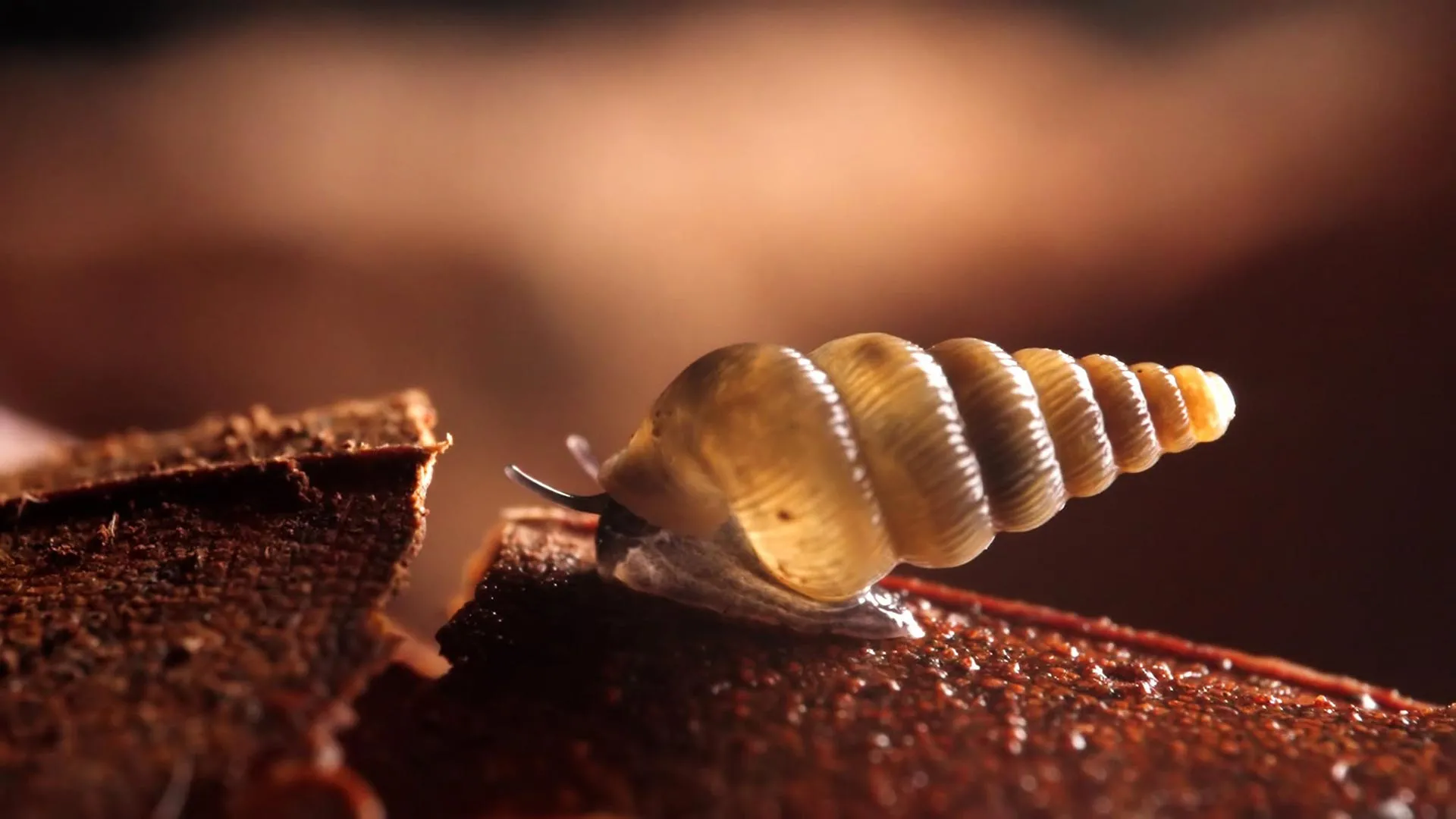
Two newly identified snail species, Cochlostoma komarnica and Cochlostoma dobrido, have broadened our understanding of European land snails, as detailed in a recent study published in the open-access Biodiversity Data Journal.
Characteristics of the New Species
Currently lacking common English names, both species are small, measuring about 6 mm in length, with cone-shaped shells. They inhabit limestone rocks and primarily feed on algae and lichens. Unique features include:
- Eyes positioned along the sides of the head instead of on eye stalks.
- A circular disk on the tail that seals the shell opening when the snail retreats inside.
Discovery Context
These snails were discovered in Montenegro during expeditions organized by Taxon Expeditions, which engage the public in scientific fieldwork. Between 2018 and 2025, a collaboration involving Taxon Expeditions, the Taxon Foundation, and the Montenegrin Ecologists Society conducted biodiversity investigations in Durmitor National Park and Komarnica Canyon.
Researchers encountered these snails in rugged mountain terrains. Their status as unknown species became apparent only after dissection and genetic analysis in the field laboratory.
Naming the Species
The expedition team named the new species through a camp vote. Cochlostoma dobrido is named after the Dobri Do Plateau, while Cochlostoma komarnica takes its name from the pristine Komarnica Canyon. Participant Janine Buisman expressed her amazement at new species being discovered in Europe, highlighting the ongoing potential for scientific discovery.
Biologist Jovana Đokić from the Montenegrin Ecologists Society emphasized the extensive yet poorly explored biodiversity of the Balkans, suggesting many undiscovered species may still exist.
Environmental Concerns
The Komarnica Canyon is threatened by plans for a hydropower dam and reservoir, which would inundate the area and disrupt its diverse ecosystem. Đokić voiced particular concern, stating that such development is detrimental to both biodiversity and the unique environmental richness of the region.
Conservation efforts are underway, as MES calls for the canyon to be included in the UNESCO World Heritage site of Durmitor and to halt the hydropower project. Đokić stressed that hydropower is not sustainable if it harms unique ecosystems.


