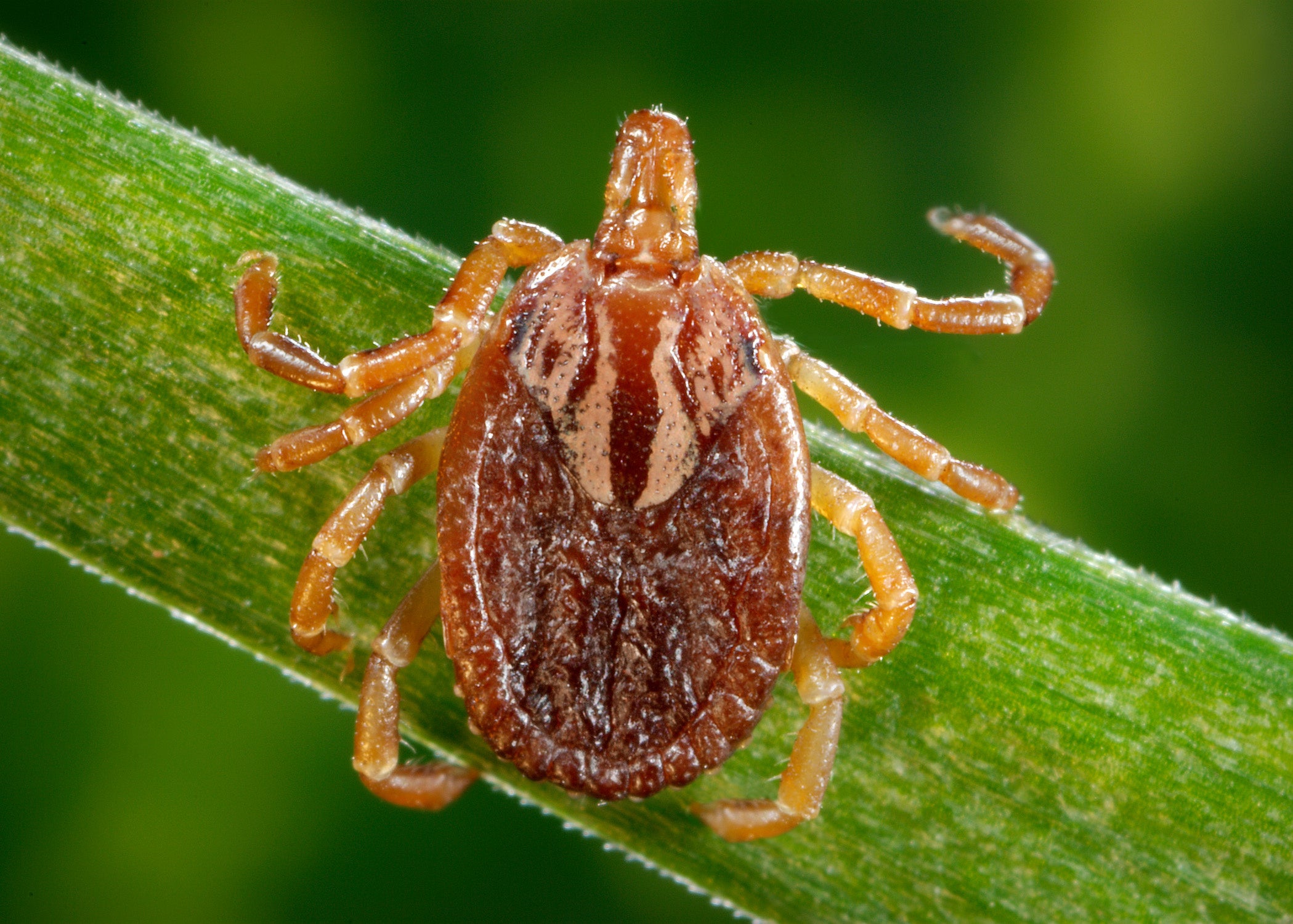
The article notes the increased risk of tick activity in Wisconsin during the fall, particularly regarding the deer tick (blacklegged tick), which peaks in October. Although most Lyme disease cases occur in June and July, there is a notable rise in emergency room visits related to tick bites in the fall. Research indicates that adult female deer ticks show a higher prevalence of the Lyme-causing bacteria in fall compared to spring, prompting experts, like Alexandra Linz from the Marshfield Clinic, to advise residents to remain vigilant when spending time outdoors. They also encourage participation in citizen science projects to monitor tick populations and disease prevalence.
Categories
Science
Love the fall weather? Tread carefully—ticks do too, scientists caution.