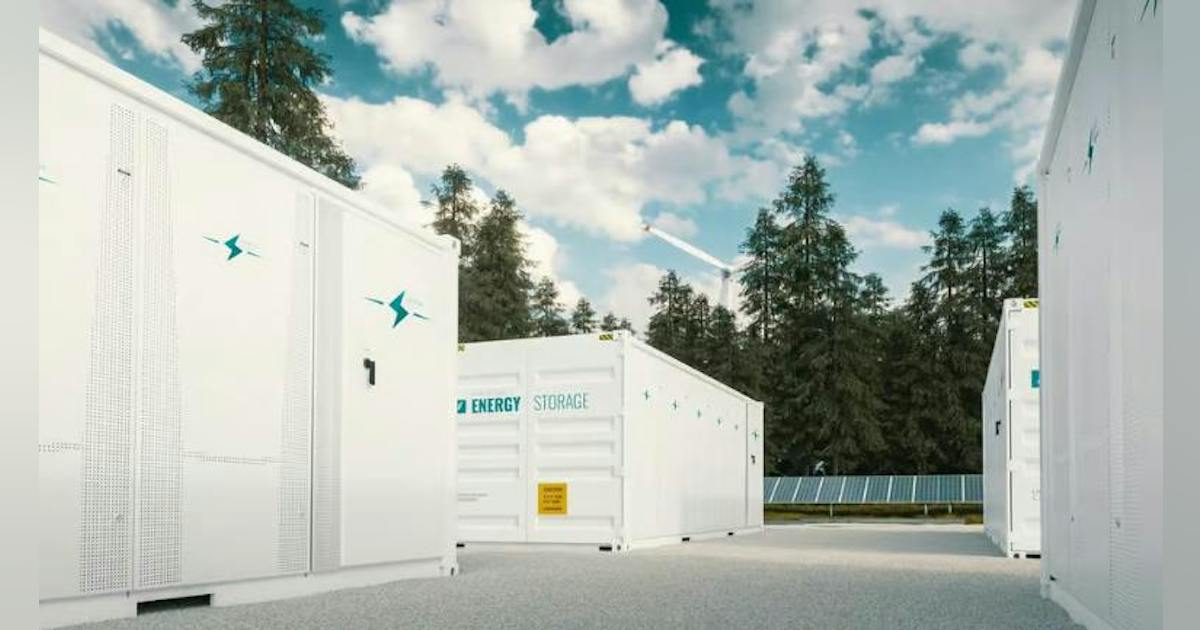
The U.S. energy storage market achieved a record installation of 18.9 GWh of battery energy storage systems in Q2 2026, as reported by the American Clean Power Association (ACP) and Wood Mackenzie. This reflects a 17% year-on-year increase, while installed power capacity saw a 7% decline. The average duration of these battery systems increased from 2.8 to 3.5 hours.
### Utility-Scale Storage
Utility-scale installations totaled 4.7 GW/17.6 GWh in Q2, an 8% decline year-on-year. However, the first half of 2026 showed a 5% increase in installations compared to the previous year. The average project duration rose due to long-duration projects, particularly in California and Texas.
John Hensley from ACP emphasized the critical role of battery storage in meeting electricity demand and enhancing grid reliability.
### Community, Commercial, and Industrial (CCI) Sector
The CCI sector installed 48 MW in Q2, bouncing back to historical levels post California’s record first quarter. Overall, the CCI market saw a 2% decline year-on-year, though growth in Hawaii, New Mexico, and Texas partially offset this.
### Residential Sector
The residential sector installed 676 MW, marking a 15% quarter-over-quarter decline but a 3% year-on-year increase. Major states like California, Texas, and Puerto Rico accounted for 88% of the installations. The residential market is expected to contract 4% in 2026 due to factors like the elimination of tax credits and consumer hesitance.
### Future Market Outlook
The report predicts an average annual growth rate of 8% for utility-scale storage over the next five years, driven by rising data center demands. The CCI sector is expected to grow by 27% from 2026 to 2031, and the residential market is set to rebound with a 9% growth rate from 2027 to 2031.
Overall, the U.S. energy storage market is anticipated to reach 207 GW and 715 GWh of cumulative capacity by 2031. The role of distributed storage is expanding, with virtual power plants (VPPs) creating more participation opportunities.
### Supply Chain Concerns
Potential supply chain bottlenecks and trade restrictions might hinder near-term growth, particularly in the utility-scale segment. Despite this, growth is projected to resume in 2028, with an annual rate of 11% expected through 2031.
Allison Weis from Wood Mackenzie noted that the slowdown in EV demand presents an unexpected advantage for storage, allowing manufacturers to leverage idle EV cell capacity to bolster the domestic supply chain.


