Nightlife Venues Face Social Media Blackout Amid Restrictions
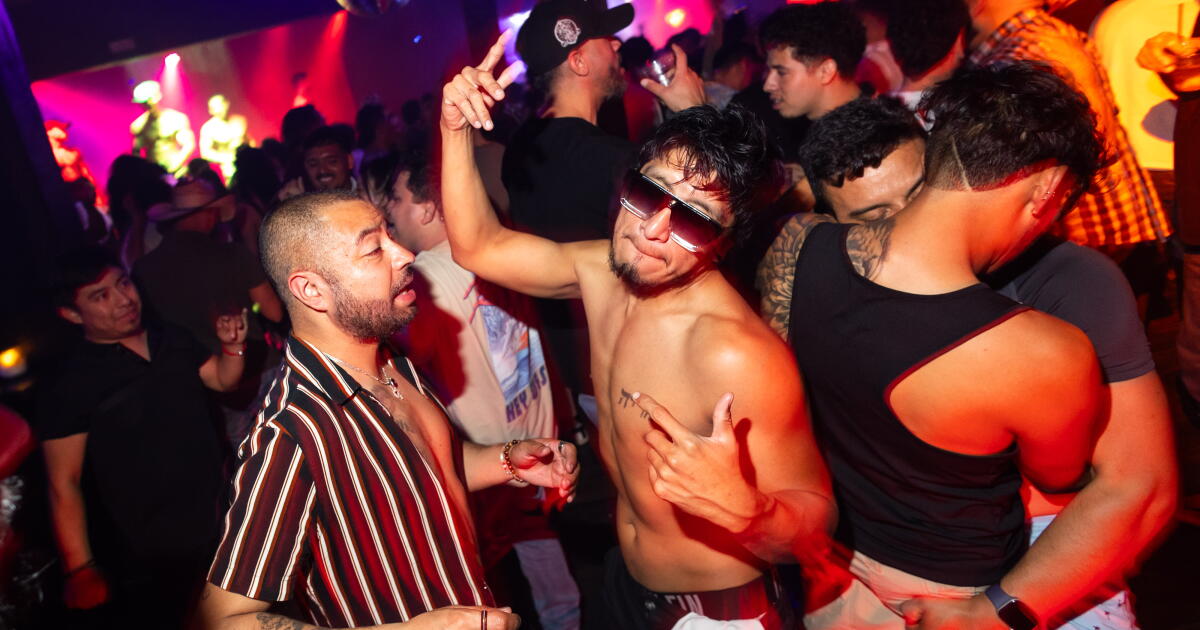
Marty Sokol, owner of Club Cobra—an iconic fixture in North Hollywood’s queer Latin nightlife—woke up on New Year’s Day to a troubling discovery: his bar’s Instagram account was suspended. Despite contacting Meta, the parent company of Instagram, for months, Sokol received no explanation and faced continuous suspensions. By June 1, he reported that every one of his club’s Instagram pages, as well as those of affiliated promoters, had been entirely removed.
Sokol expressed his frustration, highlighting how vital social media was for connecting with his community. He stated, “For 15 years we developed hundreds of thousands of followers…then without warning or cause, they ripped away our ability to communicate.” This disruption has significant implications for attendance at his venue and others in California’s nightlife scene, as many owners reported noticeable declines in patronage.
Sokol isn’t alone in this struggle. Other clubs, particularly those serving queer communities of color, have experienced similar suspensions, fearing the potential “digital invisibility” could jeopardize their existence. Sokol shared his concerns about the broader implications of these suspensions, saying, “It’s a California business problem. Without a seat at Meta’s table, we will all be closed.”
Meta’s representatives, when approached for comments, remained vague about the reasons behind the suspensions. The company has recently implemented increased reliance on artificial intelligence for content moderation, which owners fear may misinterpret harmless activities as violations.
Others like Mitch Edelson, owner of Catch One, also faced sudden account suspensions without explanation, hurting his club’s ability to run ads and connect with audiences. This shift is particularly disheartening following the pandemic, as many venues had only just begun to recover.
The situation raised alarms among local politicians as well. California state officials and Assemblymembers have been actively engaging with Meta on behalf of affected clubs, asserting the importance of online access for the LGBTQ+ community.
Following increased media attention and political outreach, some affected establishments, including Sokol’s clubs, managed to restore their accounts. However, recovering from this experience has initiated a dialogue surrounding the dependency on social media and reliance on platforms that can make abrupt decisions without notice.
As venues seek to re-establish their online presence, many are contemplating diversifying their marketing strategies and rediscovering more traditional methods of promotion. Nonetheless, the abruptness and lack of transparency surrounding these events illustrate a cautious landscape within the ever-evolving digital sphere for nightlife business owners.