NASA’s Galileo Mission: A Legacy of Exploration
On September 21, 2003, NASA’s Galileo mission to Jupiter concluded after 14 years of groundbreaking exploration. The Galileo spacecraft, which launched in 1989 aboard the space shuttle Atlantis, became the first spacecraft to orbit Jupiter and send a probe into its atmosphere. It arrived at Jupiter in 1995, revealing astonishing discoveries about the giant planet and its moons.
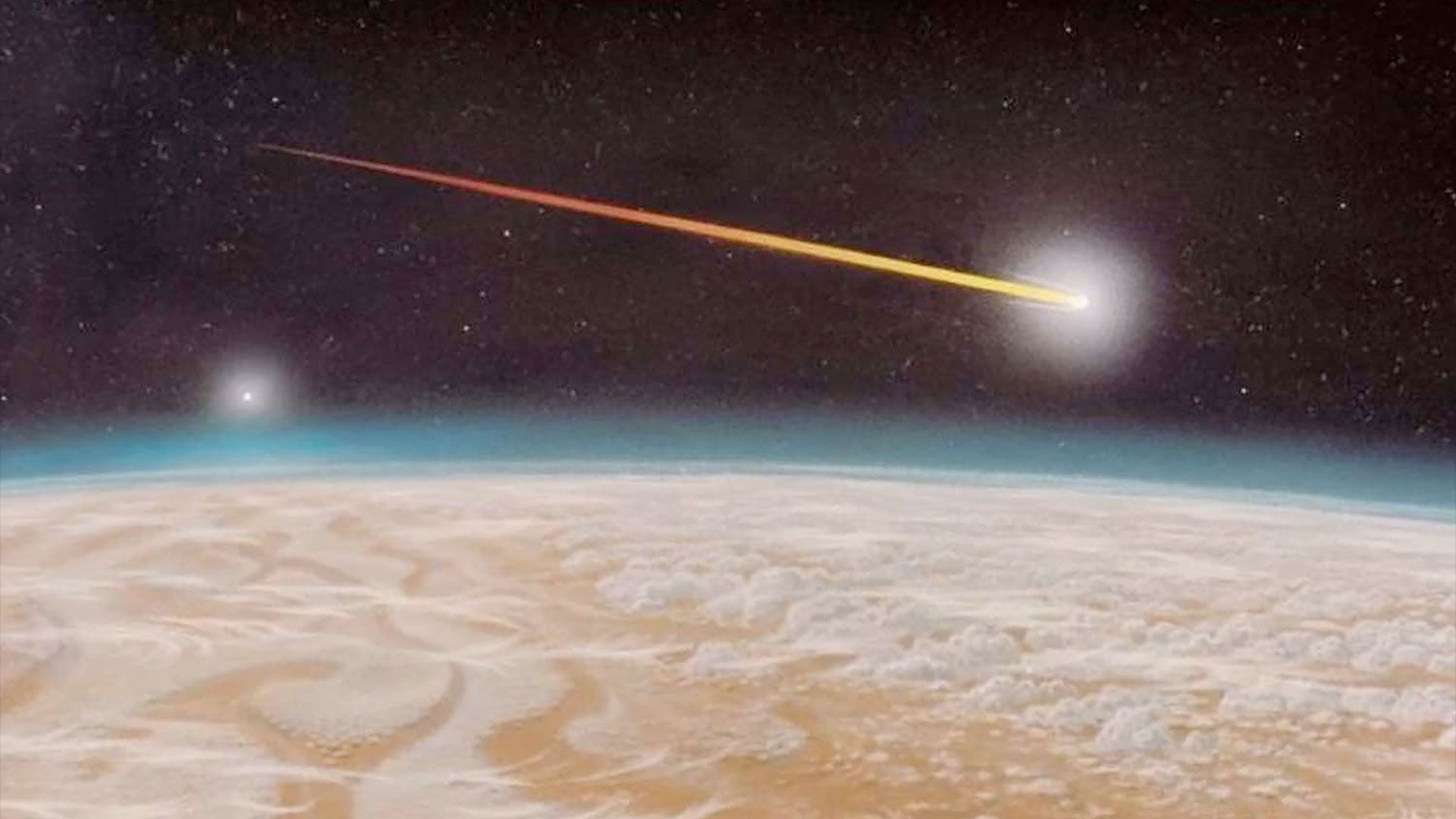
The mission was notable for discovering evidence of subsurface saltwater on three of Jupiter’s moons: Europa, Ganymede, and Callisto. This raised questions about the potential for life beyond Earth. As Galileo neared the end of its mission and fuel reserves dwindled, it was intentionally directed to crash into Jupiter to avoid contaminating any of the moons that could harbor life.
Galileo significantly advanced our understanding of Jupiter and its satellites. It discovered that Ganymede has its own magnetic field and that Io, another moon of Jupiter, has extensive volcanic activity. Most notably, it provided evidence of a subsurface ocean beneath Europa’s icy surface, igniting interest in astrobiology.
Galileo’s 14-year mission encompassed 35 flybys of Jupiter’s moons, delivering a plethora of data and contributing to our knowledge of the solar system. Its legacy paved the way for future missions, such as the Cassini spacecraft at Saturn and the Juno spacecraft currently studying Jupiter.
Galileo’s tragic demise in 2003 underscored NASA’s commitment to planetary protection, ensuring other celestial bodies were safeguarded from contamination.
For those interested in space history, Galileo stands as a testament to human curiosity and the quest for knowledge about our solar system.


