NEED TO KNOW
-
Two Separate Organs: Researchers at Stanford University have discovered that the brain may consist of two distinct organs that evolved independently over millions of years.
-
Different Functions: One system regulates vital functions like breathing, while the other manages higher-level cognitive processes, including language and consciousness.
-
Research Implications: This finding could enhance research into conditions that impact the brainstem, such as Amyotrophic Lateral Sclerosis (ALS) and spinal muscular atrophy.
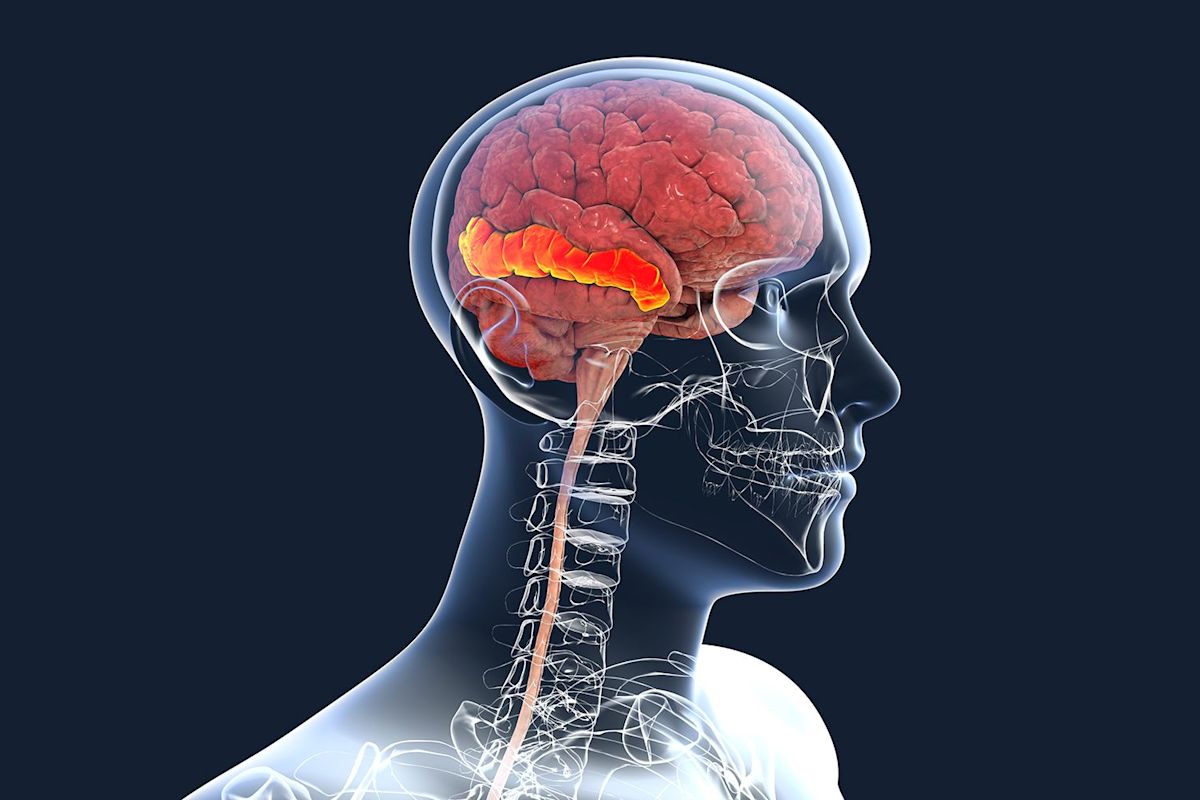
Scientists are now considering the brain to be made up of two separate organs that collaborate, rather than functioning as a single entity. This notion contradicts the long-held belief dating back to ancient Greece that the brain is a singular organ.
A recent study published in Nature Neuroscience indicates that the brain’s organ structure has been shaped by an independent evolutionary process. Such patterns are also seen in distantly related creatures like jellyfish.
Traditionally, it was thought that a single progenitor cell during early development leads to the entire brain. However, recent findings suggest that two distinct nervous systems exist in the brain. One system regulates essential bodily functions (like heartbeat and breathing), while the other is involved in more complex functions such as language and abstract thought.
Detailed studies of developing mouse embryos revealed that the hindbrain follows a separate path from the forebrain and midbrain. Dr. Kyle Loh from Stanford stated, “For the first time, we’ve shown that the front of the brain arises from a totally different progenitor cell than the back.”
The implications of this research are significant for understanding brain conditions. Disorders affecting the brainstem like spinal muscular atrophy (SMA)—the leading genetic cause of infant death—and ALS, which usually affects individuals between 40 and 70, could benefit from this new understanding. Both conditions involve the deterioration of neurons in the brainstem, impeding vital functions like swallowing and breathing.
Overall, the discovery indicates an evolutionary convergence of two existing neural systems, functioning almost as one today, which poses fascinating questions about the brain’s structure and its development over time.


