The ARCADIA project, facilitated by Climate KIC, exemplifies a nuanced approach to climate adaptation across Europe. Recognizing that climate challenges vary greatly from one region to another, ARCADIA promotes a collaborative learning process rather than a one-size-fits-all solution.
Key Highlights:
-
Contextual Learning: Regions facing climate stresses—including flooding, droughts, and biodiversity loss—engage in discussions that acknowledge local conditions and needs, rather than merely copying external solutions.
-
Twinning Process: The project pairs regions such as Plovdiv (Bulgaria), Centru (Romania), and Podravje (Slovenia) with ‘Model Regions’ to explore transferable strategies. This includes understanding local governance, land ownership, and stakeholder relationships, which are crucial for the success of Nature-based Solutions.
-
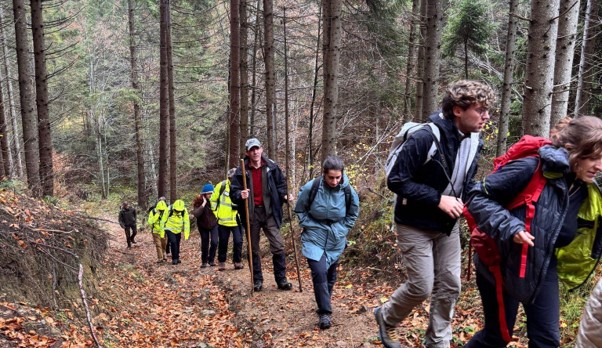
Collaborative Exploration: During field visits, participants examine specific challenges. For instance, representatives from Lower Austria shared their experiences in working with farmers on green infrastructure, while Skåne offered insights into stakeholder collaboration—demonstrating that success lies in local adaptation.
-
Mutual Knowledge Exchange: The project emphasizes that all regions possess valuable insights; thus, knowledge sharing isn’t solely one-directional. For example, Romanian regions sought expertise in flood risk modeling from Emilia-Romagna while sharing their own experiences in forest management.
-
Structured Learning Approach: Climate KIC’s role goes beyond organizing visits; it includes pre-exchange preparations and post-visit reflections to ensure that the learning is impactful and actionable.
-
Adaptation Focus: ARCADIA emphasizes the importance of not just replicating existing solutions but adapting them effectively to local contexts. Success is defined by strengthened capacities for sustainable change.
Conclusion:
ARCADIA’s approach illustrates the importance of understanding the socio-political and environmental context when adapting climate solutions. It advocates for a shared learning journey, ensuring regions are equipped to tackle their unique challenges creatively and collaboratively.