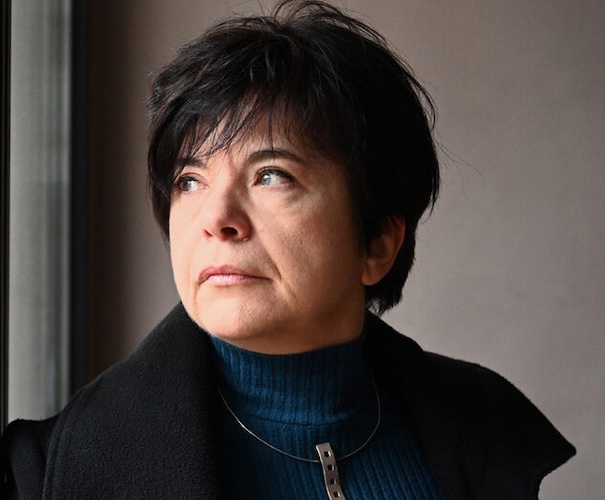
Review of Traveling in the Direction of the Shadow by Iana Boukova
By Ellen Elias-Bursać
Iana Boukova’s novel, Traveling in the Direction of the Shadow, finds enchantment in digression, folklore, and the sensuous music of language. This work, translated from Bulgarian by Ekaterina Petrova, invites readers into a world that weaves together eight interlinked stories, all characterized by their rich, meandering narratives.
Overview
The novel opens with a historical frame—dated 1827—yet, its essence feels timeless, portraying a hauntingly beautiful Balkan landscape. Boukova emphasizes the journey over destination, encouraging readers to enjoy the unexpected twists of the narrative. The second part shifts to a late 19th-century Dutchman intrigued by travel, juxtaposing his everyday experiences with the mystique of exploration.
Sensory Language
Boukova’s prose is vivid and tactile, immersing readers in a sensory experience where taste, touch, and sound are intricately connected. One striking passage describes a boy who rings a church bell with such fervor that the sound resonates within him, capturing the physicality of emotion and experience.
Unique Characters
Each story introduces a distinct character, such as Iovana, a mother of eight; Ismail Çelik, a gambler enchanted by a magical kilim; and Ian Van Athen, a Dutchman shaped by education and travel aspirations. Their journeys unfold against a backdrop that mingles nostalgia with the often harsh realities of life.
Language and Folklore
Petrova’s translation captures the lyrical quality of Boukova’s work, allowing the echoes of Balkan folklore to resonate throughout—preserving cultural terminology that enriches the narrative. The reflective meditation on the concept of “mercy” illustrates the philosophical depth woven into the prose.
Conclusion
While the circuitousness of the narrative may challenge some readers, those who surrender to Boukova’s lyrical cadence will find themselves immersed in a deeply evocative world. Traveling in the Direction of the Shadow is not merely a collection of stories; it is a meditation on the nature of life and storytelling itself.
Ellen Elias-Bursać has a rich background in translating literature from the Balkans, bringing her extensive experience to the review of this intricate work.