NASA Discovers Giant New Moon Crater
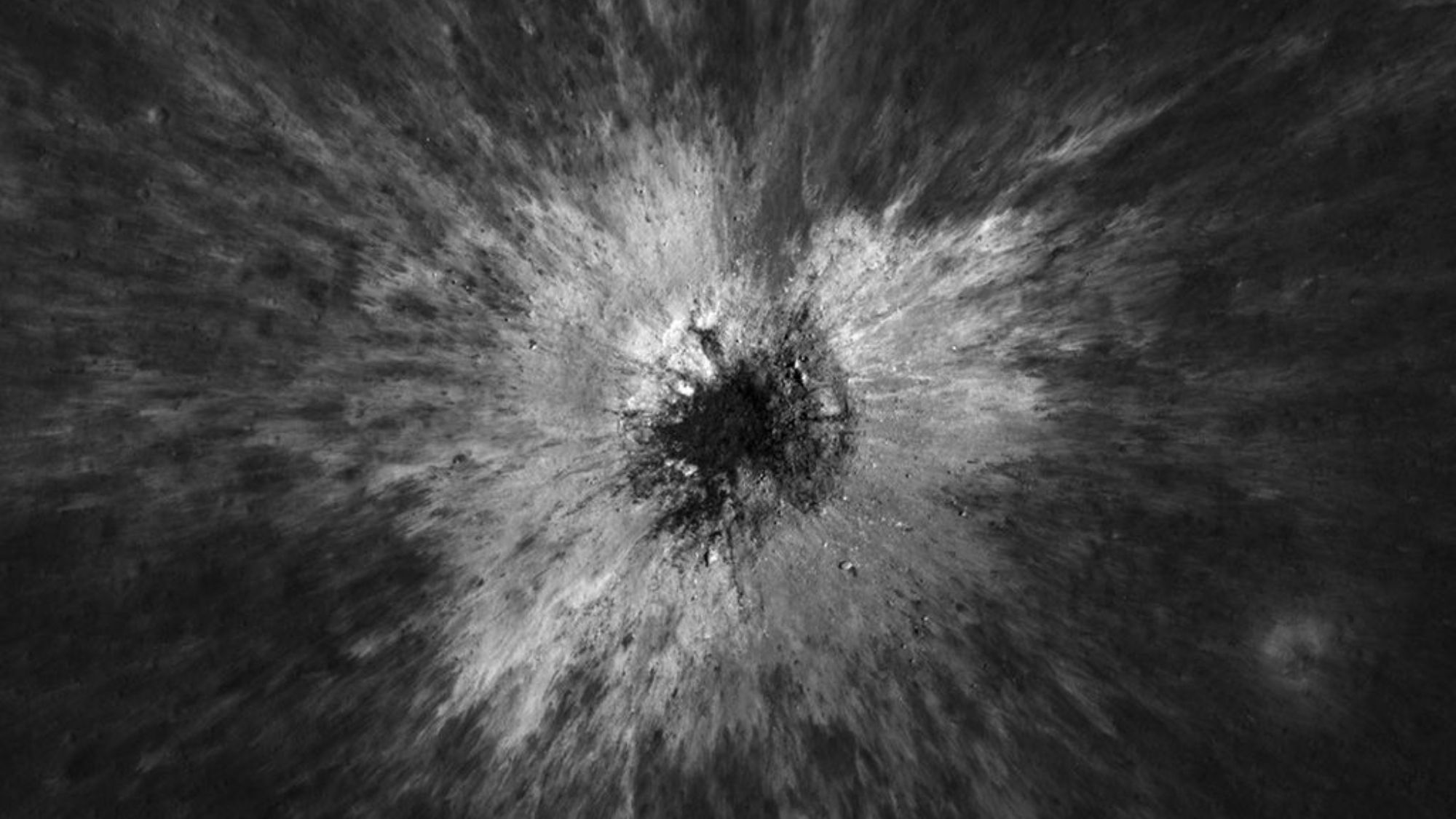
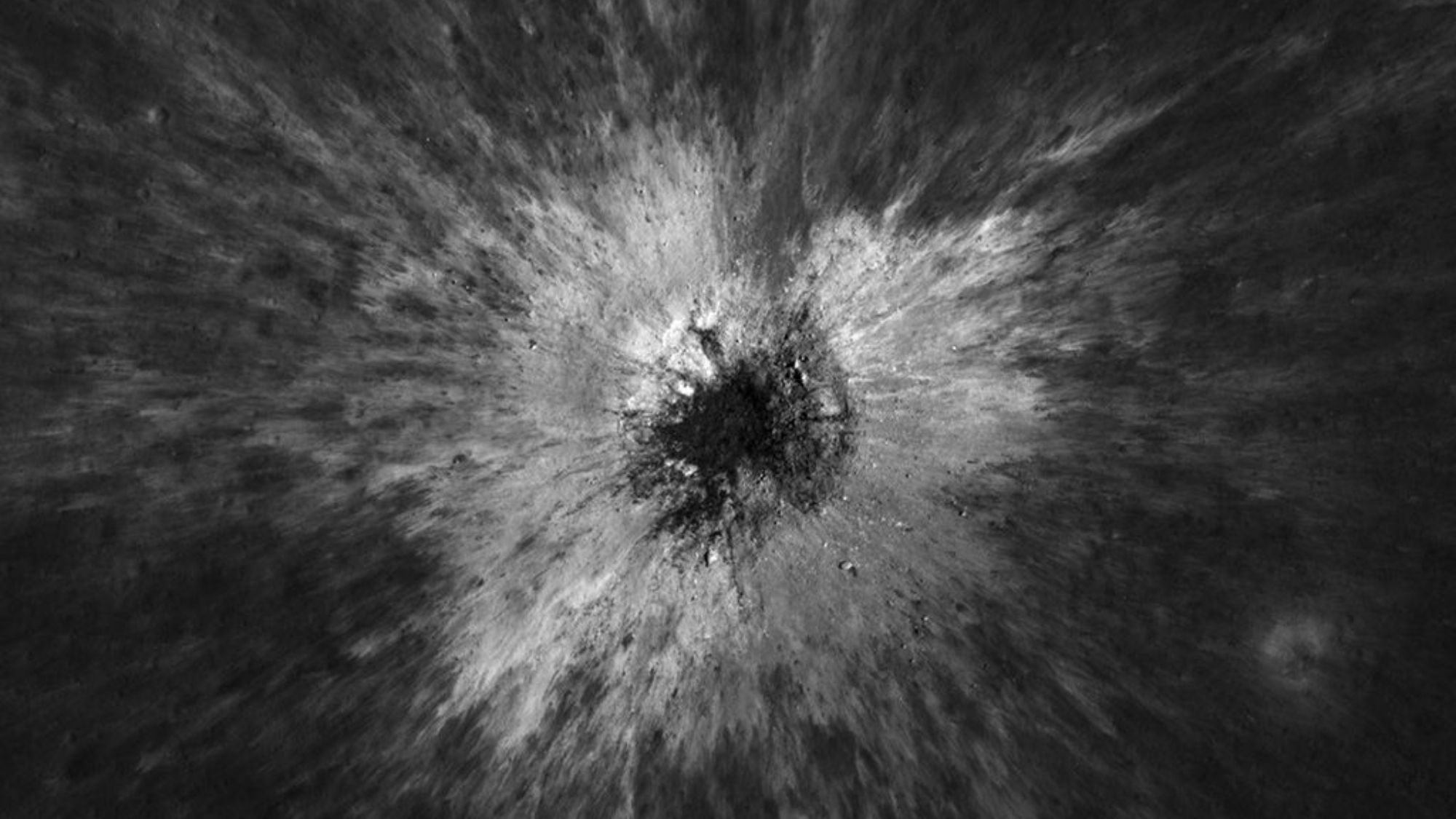
An aerial view of McGetchin crater. (Image credit: NASA Goddard/Intuitive Machines)
NASA’s Lunar Reconnaissance Orbiter (LRO) has identified a significant new crater on the moon, marking it as a “once-in-a-century” discovery. This crater, named McGetchin, is notable for its size, measuring 728 feet (221.9 meters) wide and 141 feet (43 meters) deep.
What is it?
The image above presents McGetchin crater, named in honor of lunar scientist Tom McGetchin from the Apollo era. The crater was originally detected on October 24, 2025, by LRO scientist Robert Wagner during a routine data check. He noted the crater’s significance and pursued further investigation.
The crater likely formed between April 11 and May 22, 2024, caused by an asteroid or comet approximately the size of a three- to six-story building.
Why is it Incredible?
McGetchin’s immense size sets it apart as the largest new crater discovered on the moon and in the entire solar system. NASA estimates such massive impacts occur roughly once every hundred years. Researchers are particularly excited about analyzing this fresh crater, as geological features can change over time due to environmental exposure.
The opportunity to study a recently formed crater provides insights into impact events and the moon’s geological history. The uniqueness of McGetchin offers a rare window into the mechanics of large impacts, prompting further research into the material ejected during the impact and the subsequent alteration of the surrounding lunar landscape.
Last year, another crater was detected, but it was small enough that scientists whimsically referred to it as a “freckle”—a stark contrast to McGetchin’s impressive scale.


