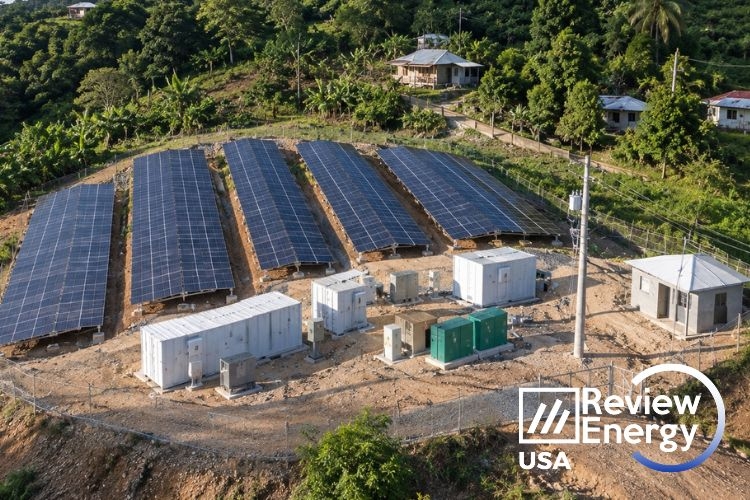
The Americas are projected to lead the global microgrid market until 2030, primarily driven by the US. This growth is fueled by increased investments from governments, utilities, businesses, and communities in creating resilient and decentralized power systems, according to GlobalData.
Key reports highlight several factors propelling microgrid deployment in the Americas:
- Federal Funding and Clean Energy Policies: These provide financial support and regulatory frameworks that stimulate growth.
- Resilience Programs: Initiatives aimed at strengthening grid reliability contribute to demand for microgrids.
The US is anticipated to be the frontrunner in regional growth due to the need for dependable power systems that can operate during outages, especially amid rising concerns regarding grid reliability and extreme weather events. Canada is also contributing to regional expansion, particularly in remote and off-grid communities that seek improved power reliability and reduced reliance on diesel.
According to Bhavana Sri Pullagura, a Senior Power Analyst at GlobalData, microgrids are becoming increasingly essential as stakeholders look for reliable, flexible, and low-carbon energy solutions. The combination of solar PV, battery energy storage, and advanced controls is gaining traction due to rising electricity demand and grid disruption risks.
Growth in APAC and EMEA
The Asia-Pacific (APAC) region is set for steady microgrid market growth through 2030, driven by increasing electricity demand and renewable energy integration. Countries like Japan, China, and India are focusing on local power resilience and grid flexibility, which opens up opportunities for hybrid microgrid systems.
The Europe, Middle East, and Africa (EMEA) region is also witnessing growth, albeit at a slower pace. In Europe, microgrid deployment aligns with decarbonization and energy security goals. Meanwhile, in the Middle East and Africa, the technology supports electrification and enhances reliability.
Key Technologies Supporting Microgrid Deployment
GlobalData notes a significant trend toward hybrid microgrids that utilize solar PV, battery energy storage, dispatchable generation, and advanced controls. Several factors are accelerating deployment:
- Technological Innovation: Advancements in technology enhance the efficiency and functionality of microgrids.
- Policy Support and Funding Programs: These initiatives are crucial for driving adoption.
- Electrification Initiatives: Programs aimed at increasing access to electricity bolster the development of microgrids.
As digitally optimized solutions become more prevalent and the integration of distributed energy resources and advanced energy management systems evolves, microgrid adoption is expected to flourish. Pullagura emphasizes that hybrid designs and digital controls will enable microgrids to support cleaner energy supplies and bolster grid flexibility and reliability across various applications.


