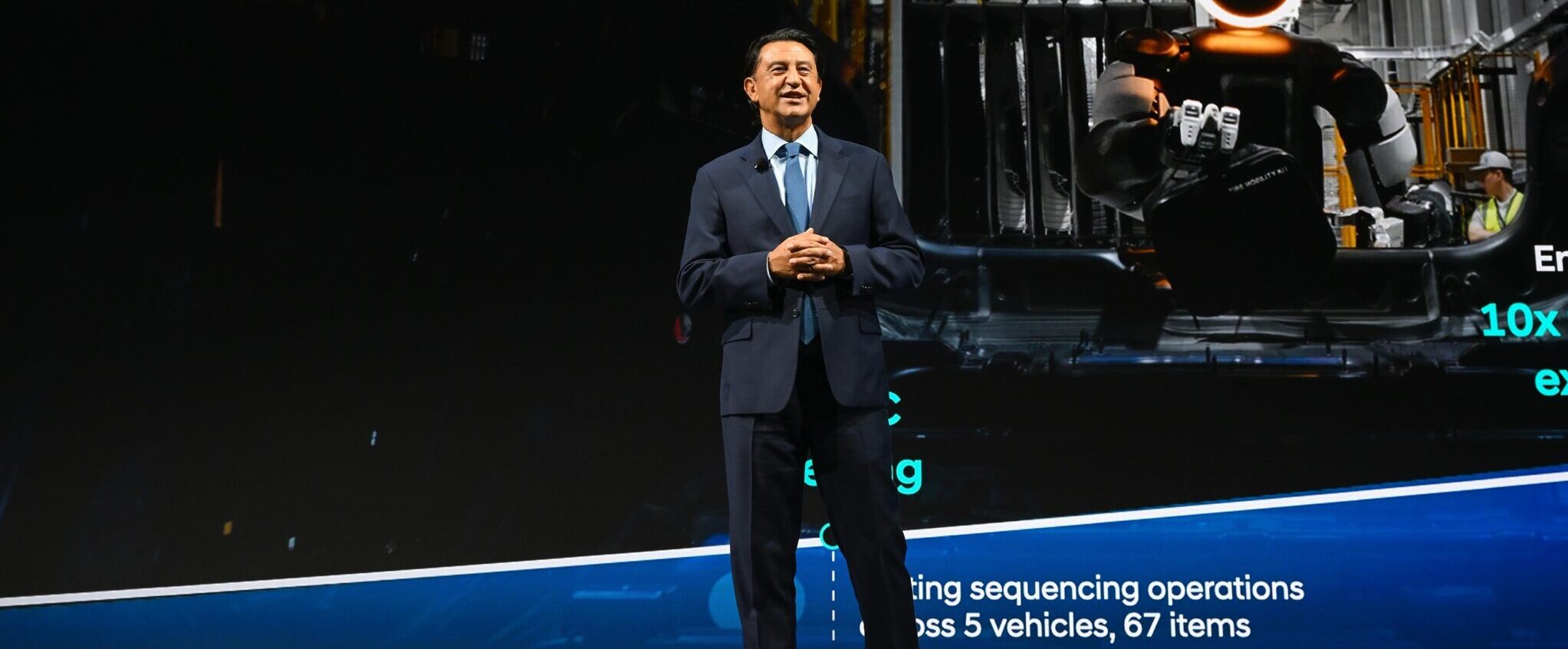
Hyundai Motor’s CEO, Jose Munoz, has expressed concerns about the potential impact of low-cost Chinese electric vehicle (EV) imports on the US market, similar to recent disruptions in Europe. He emphasized that without maintaining tariffs and restrictions, America could experience similar challenges. Munoz highlighted the stark price difference, noting that Chinese vehicles can be 30% to 40% cheaper than competitors even with existing EU tariffs.
Using the UK as an example, where the absence of tariffs has led to significant Chinese market penetration, he called for conditional access for Chinese firms, aligning his views more with former President Trump’s framework than with the strict stance taken by some in the current administration. Munoz believes that imposing conditions on Chinese companies could help minimize their impact on the US market.
Additionally, Munoz announced a delay in Hyundai’s Level 2++ driver-assistance technology to late 2029, citing the need for further data collection and safety validation. In the meantime, Hyundai will leverage Nvidia’s platform to release Level 2+ vehicles by 2028 while simultaneously developing its own system.
Munoz reaffirmed Hyundai’s commitment to internalizing key technologies such as batteries and self-driving capabilities, despite current partnerships. He attributed the existing US tariff policy to accelerating Hyundai’s domestic manufacturing, with plans to boost North American production and increase local parts sourcing by 2030.
Overall, Munoz’s call for conditional access signals a nuanced stance in regulatory discussions, highlighting the complexities within the auto industry regarding competition with Chinese manufacturers.