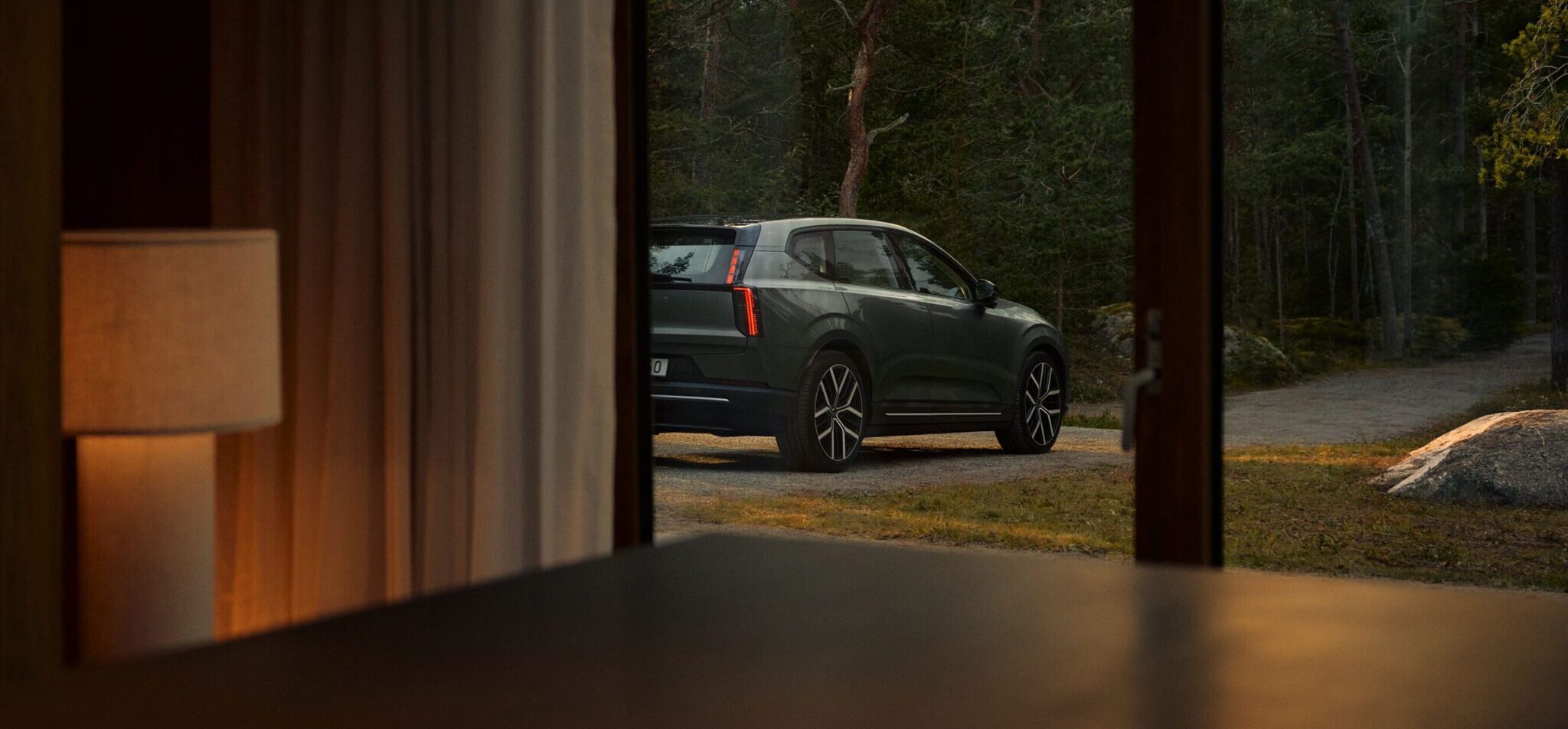
Volvo Cars aims to strengthen its market position by introducing 13 new models by 2030, including seven for Western markets and six for China. This initiative seeks to enhance its market share of battery-electric and hybrid vehicles while aiming to increase operating margins from 3.5% to over 8%.
To achieve this, Volvo will utilize its SPA2 and SPA3 platforms for Western models and collaborate with parent company Geely on China-specific vehicles, increasing parts commonality from 10% to 30%. This strategy is expected to yield significant material cost savings.
Despite previous management challenges and missed targets, including an 8-10% EBIT margin goal, Volvo is shifting its approach. The return of CEO Håkan Samuelsson signals a pivot away from a fully electric lineup to a more hybrid-inclusive strategy, exemplified by the introduction of long-range plug-in hybrid versions of the XC60 and XC90.
As competition in the automotive sector intensifies, Volvo’s sales figures remain modest. Last year, it sold over 710,000 vehicles, capturing only about 1% of the global market share compared to competitors like Volkswagen, which holds around 10%. This ambitious product offensive aims to strengthen Volvo’s standing against larger rivals while confronting challenges in key markets like China.

