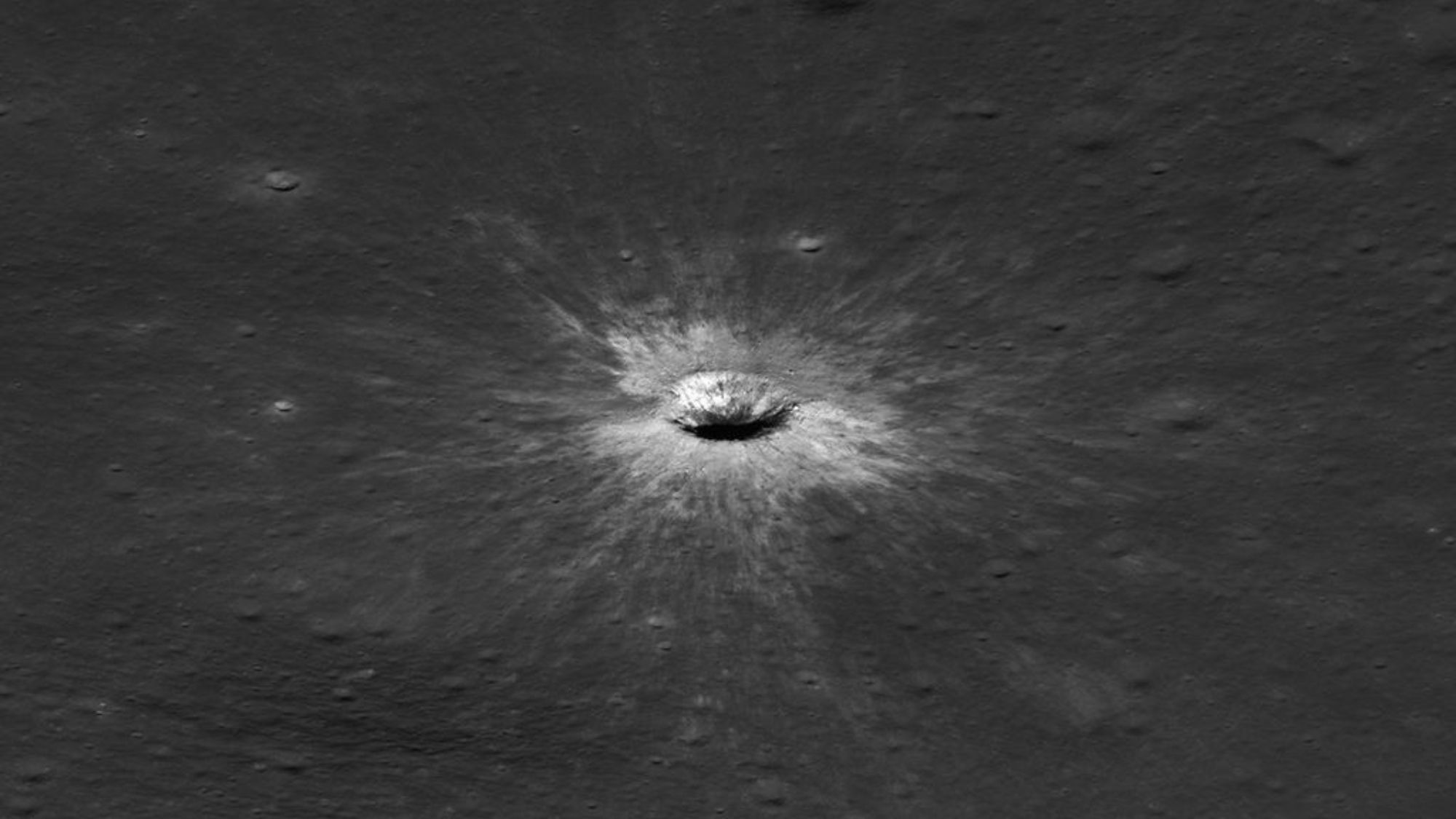
Scientists Discover McGetchin Crater: A Unique Lunar Impact Event
A newly discovered lunar feature, McGetchin crater, has ignited interest among scientists by offering a rare opportunity to study the immediate aftermath of a large asteroid or comet impact on the moon. Formed between April 11 and May 22, 2024, this crater spans approximately 728 feet (222 meters) in diameter and reaches depths of 141 feet (43 meters). Remarkably, it is the largest newly identified impact crater in the solar system, as per NASA’s Lunar Reconnaissance Orbiter (LRO).
Significance of McGetchin Crater
Such large impacts are infrequent, occurring on the moon roughly once every century, making the real-time observation of McGetchin a significant milestone. The findings, published on September 16, detail the crater and the extensive material ejected upon impact. This unique event allows scientists to gather data from a pristine impact site before natural processes begin to alter it.
Research Insights
Led by Mark Robinson, one study examines the crater’s characteristics and the resulting dispersal of material. A second study focuses on broader changes to the surrounding area, leveraging LRO’s Diviner instrument. Collectively, these studies provide insights into impact formation and the subsequent geological effects.
Features and Observations
Utilizing over 17 years of LRO data, researchers have been able to observe subtle changes that may have gone unnoticed without such historical context. Observations reveal an expansive ejecta blanket around the crater and a thermal anomaly—a colder area surrounding the impact site detected by the Diviner instrument, which is approximately 4.3 miles (7 kilometers) wide and significantly colder than the adjacent lunar surface.
Implications for Future Exploration
The pristine condition of McGetchin crater positions it as an intriguing target for future lunar exploration missions. Its location at the boundary of varying geological terrains provides a perfect opportunity to study the effects of impacts across different surface compositions. Ground observations could yield invaluable data about how impacts modify the lunar landscape, contributing to our understanding of both crater dynamics and future exploration challenges.
Conclusion
As we look to the future of lunar exploration, the McGetchin crater serves not just as a point of scientific interest but as a natural laboratory for understanding the moon’s geological history and preparing for the challenges future explorers may face. Researchers emphasize that studying this crater could lead to significant advancements in our understanding of impact cratering processes and help in planning successful lunar missions.


