Mystical Encounters: Diving with Manta Rays in the Socorro Islands
Date: September 17, 2026
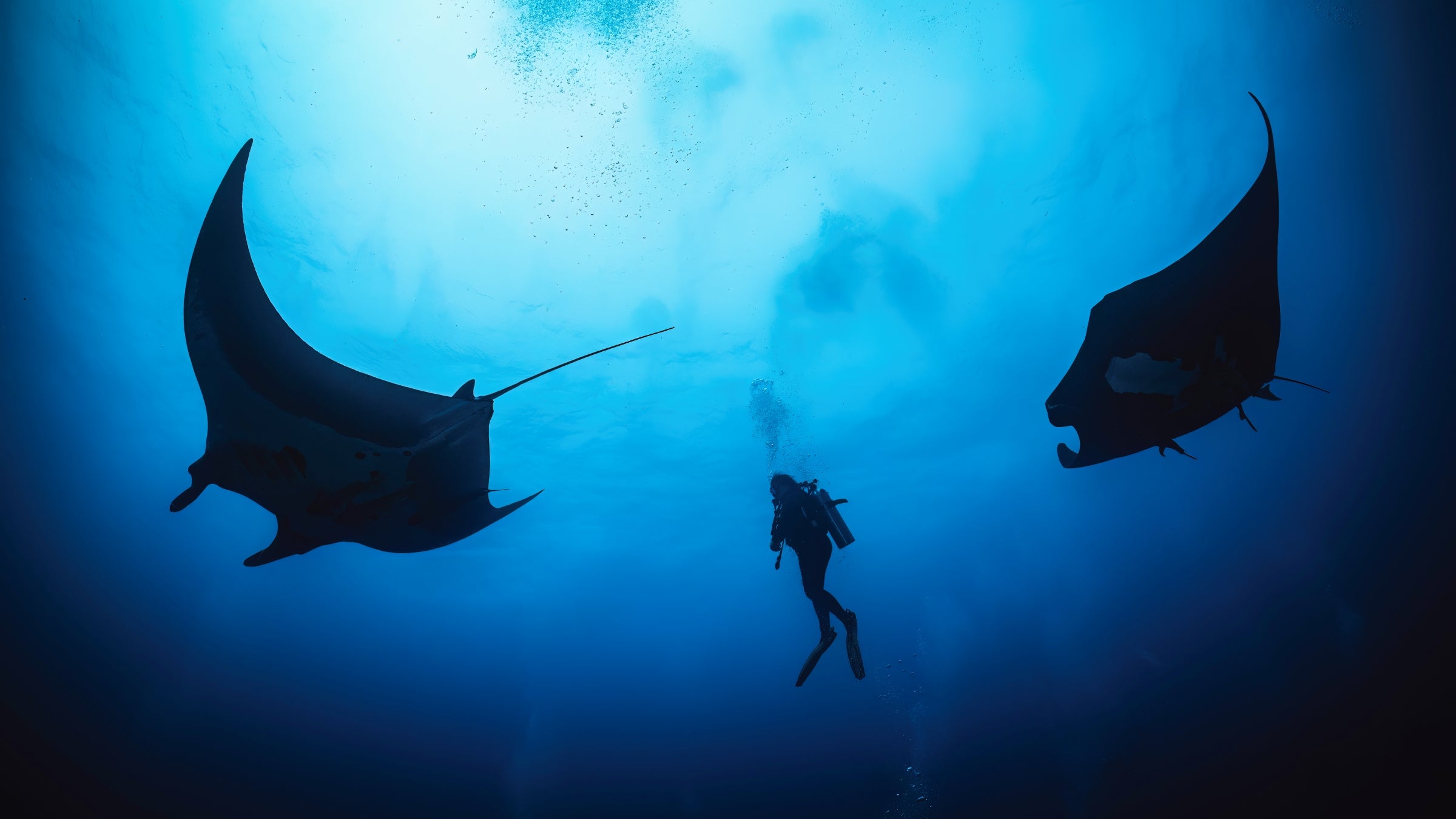
Diving 78 feet deep into the Pacific, amidst hazy waters filled with plankton blooms, I feel a mix of exhilaration and unease. Despite being on my 17th dive in four days, the unknown stirs my nerves. Suddenly, a massive silhouette materializes—a giant oceanic manta ray, its wingspan reaching 20 feet. As I remain still, it approaches, revealing its stunning purple eye, reminiscent of a tennis ball.
As the manta glides graciously above me, I’m enveloped by awe, with tears welling behind my mask. I’m aboard a liveaboard boat, over 250 nautical miles from Cabo San Lucas, surrounded by the pristine, uninhabited Revillagigedo archipelago—often dubbed Mexico’s version of the Galápagos.
Conservation and Immersion in Nature
These islands are a UNESCO World Heritage Site and the largest marine protected area in North America. Access is limited, primarily to scientific research, but the underwater world teems with life—hammerhead sharks, whale sharks, and, most notably, the friendly mantas that curiously approach divers.
Our guide, Jay Clue, a passionate advocate for marine conservation and owner of Dive Ninja Expeditions, leads the dive. With only 45 dives to my name, I’m the least experienced in our group. Clue emphasizes how these intelligent creatures seem to engage with us, almost seeking eye contact.
Manta Ray Behavior and Research
Mantas are known for their intelligence; they can recognize themselves in mirrors and potentially recognize divers. Some divers have reported mantas swimming close enough to greet them as if they were old friends. This behavior is captivating to researchers like Robert Rubin, who has studied them for over three decades. Clue integrates Rubin’s findings into our dives, showing how responsible tourism aids in the conservation of these majestic creatures.
The Role of Tourism in Protection
Tourism has played a crucial role in enforcing protections against fishing in these waters. The funds generated by tourists help justify the need for conservation. On our trip, we contributed to vital research, adding 44 new manta identifiers to a database dedicated to tracking these creatures. I personally added one and named her Artemis, inspired by the historic Artemis II lunar mission.
Conclusion
As the sun sets, reflecting on the day’s encounters, I feel a profound connection to the underwater realm—a mysterious and spiritual space that ignites curiosity and reverence. Although the thoughts surrounding the mantas’ behavior remain unanswered, their willingness to engage with us is a remarkable testament to the bond we share with nature.
In a world where questions might linger, moving forward in this ethereal environment feels like a glimpse of heaven.