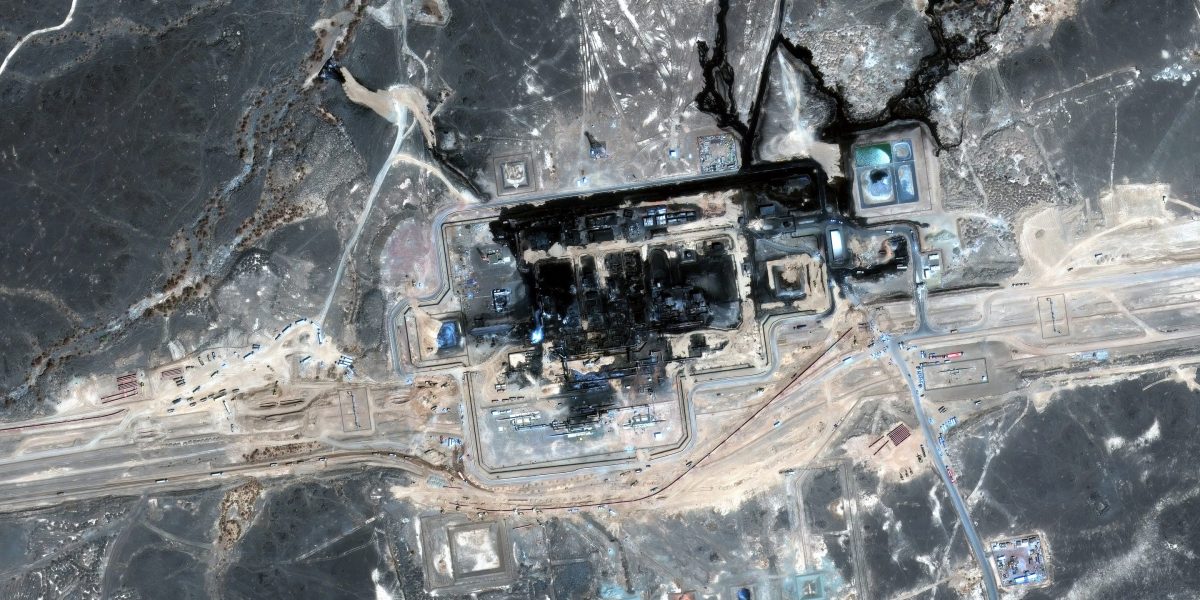
The recent closure of Saudi Arabia’s East-West pipeline has highlighted the critical role of various “shock absorbers” in the global energy system, especially amidst disruptions like the recent energy crisis in the Strait of Hormuz. This pipeline, along with the UAE’s bypass pipeline, had previously helped transport approximately 5 million additional barrels of oil daily around the Strait.
Resilience in the energy sector is not a single solution but rather a layered approach that involves multiple strategies working in conjunction. During this recent disruption, countries turned to backups such as inventory reserves and increased exports, while companies adapted by altering their production methods and feedstocks. The experiences of the past few months illustrate the need for companies to identify key dependencies that could disrupt their operations, from fuel supplies to trade routes.
To navigate potential disruptions, management teams should:
-
Identify Critical Dependencies: Understand the full spectrum of dependencies, including those that may not be immediately obvious, like a factory’s reliance on imported fuels, even in energy-rich regions.
-
Build a Portfolio of Options: Companies should diversify their resources—whether through alternative fuels, suppliers, or logistics options—while remaining flexible enough to adapt as situations evolve.
-
Value Resilience in Investments: Recognize the importance of resilience in investment strategies. Factors that may seem like excess capacity under normal circumstances can become invaluable during crises.
The ultimate goal is not to predict every possible disruption but to recognize significant vulnerabilities and maintain the flexibility to adapt as conditions change. This proactive approach can help integrate energy security into broader business continuity strategies.


