RISE ASIA Initiative Targets Fossil Fuel Reliance and AI-Driven Power Demand
A new energy security initiative by South Korea and the International Energy Agency (IEA) aims to address Asia’s dependency on imported fossil fuels and the increasing electricity demand from AI and data centers.
On April 6, the Ministry of Climate, Energy and Environment and the IEA signed a memorandum of understanding in Seoul to enhance the region’s energy supply chains and power systems, safeguarding them against disruptions and climate-related disasters. This initiative, named the Resilient and Integrated Strategy for Energy Security in Asia (RISE ASIA), will focus not only on conventional energy supplies but also on the transition to renewable energy, electrification, and the development of stable, resilient power grids.
The agreement follows discussions between President Lee Jae Myung and IEA Executive Director Fatih Birol earlier that day. It builds on a proposal made by President Lee during the G7 summit in June to enhance the resilience of energy supply chains throughout the Asia-Pacific region.
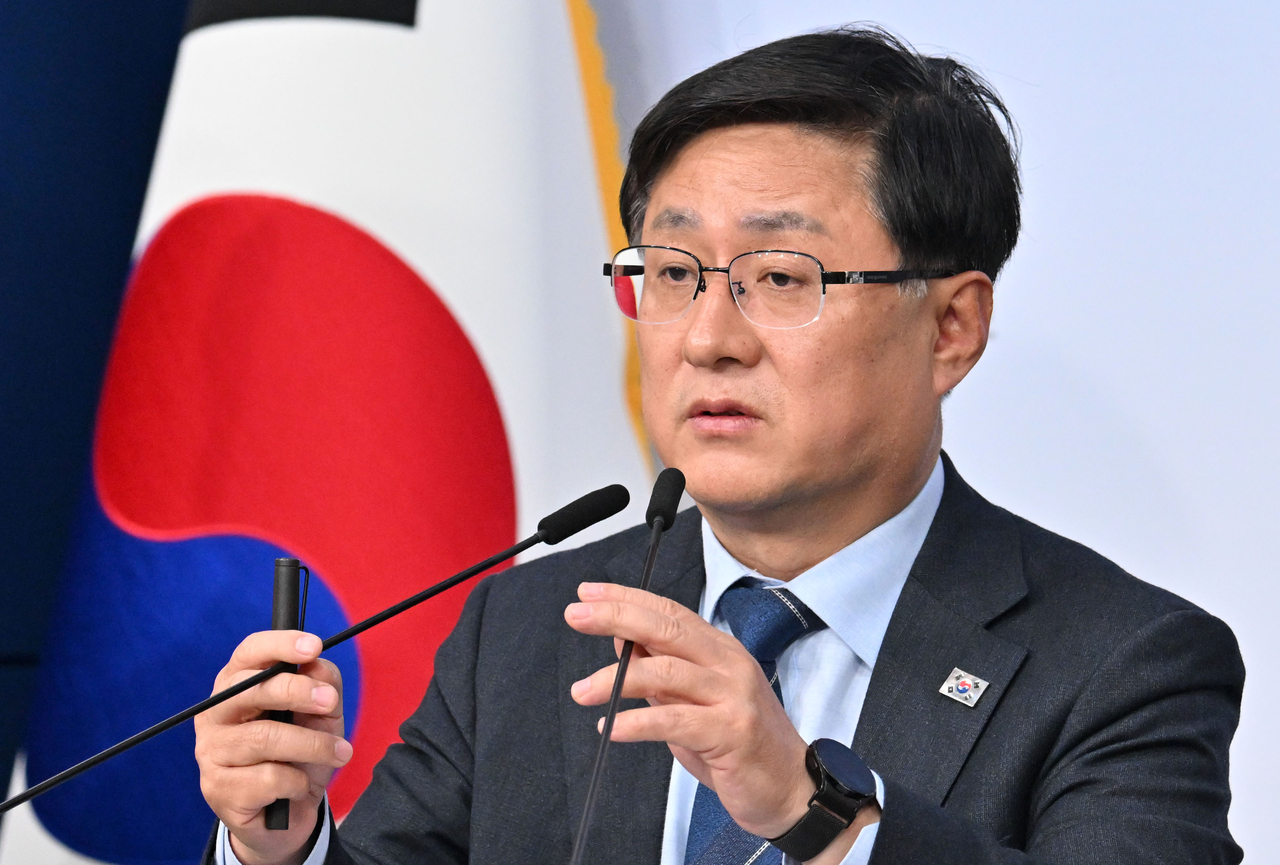
Birol highlighted the current crises in the Middle East as a significant threat to global energy security, echoing the aftermath of the oil shocks of the 1970s, which prompted countries to reevaluate their energy strategies. Meanwhile, Climate Minister Kim Sung-whan emphasized the need for power systems capable of accommodating spikes in electricity demand and disruptions due to natural disasters.
Through the RISE ASIA initiative, South Korea aims to bolster the resilience of energy supply chains across Asia and lead the transition towards renewable-energy-driven electrification and robust power systems.


