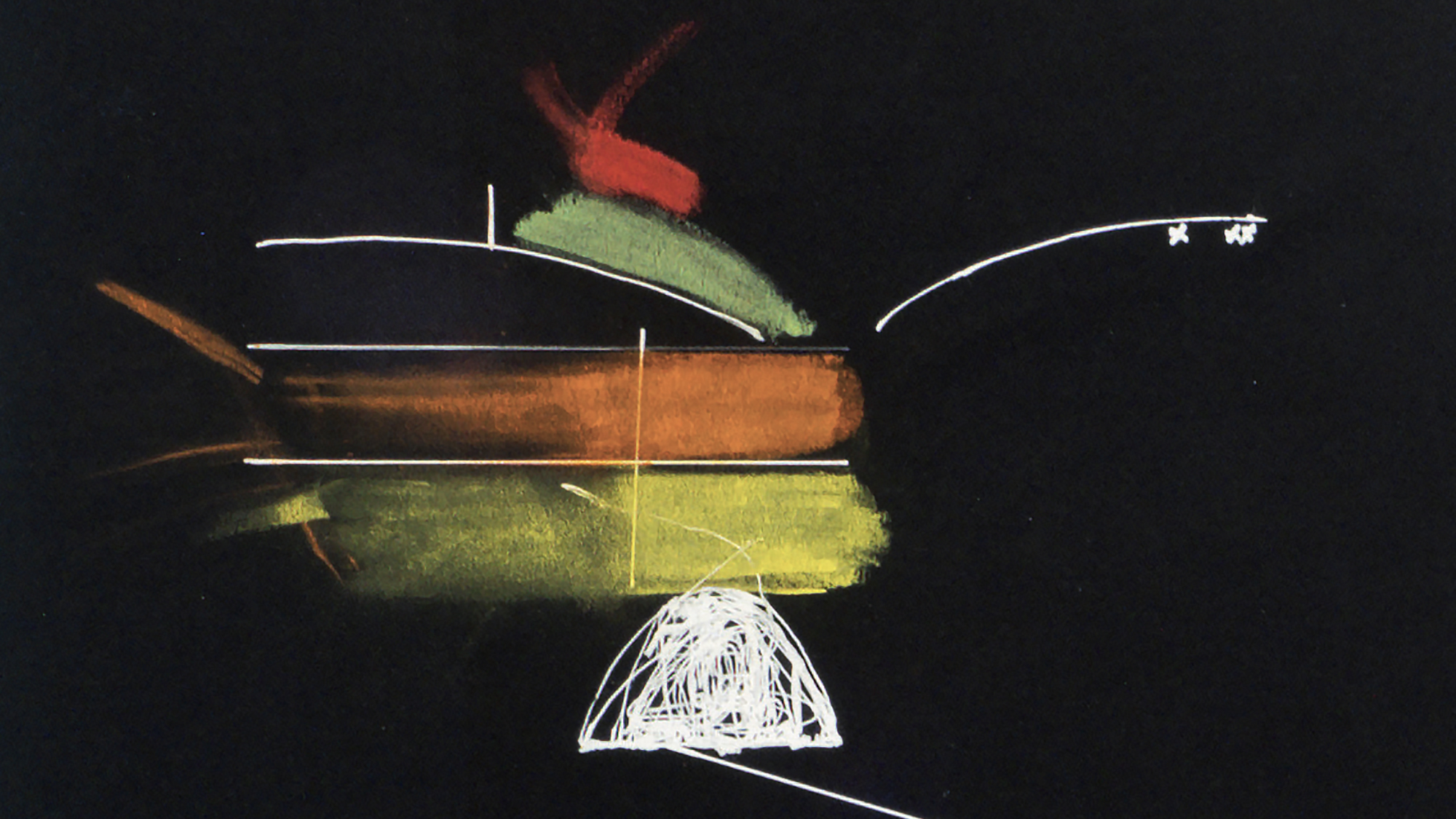
The piece by Zoë Hopkins explores the intricate relationship between black visual and musical cultures, particularly through the lens of black graphic scores. Here are some key insights:
-
Co-creation of Cultures: Hopkins suggests that black visual and musical cultures inform and enrich each other, with black musical culture often overshadowing black visual art in terms of accessibility and expressiveness.
-
Graphic Scores Defined: Black graphic scores utilize visual elements alongside or instead of traditional music notation, inviting performers to interpret the score expansively, often leading to improvisation.
-
Historical Context: The article highlights influential figures like Julius Eastman and Anthony Braxton, who pioneered the graphic score format, blending visual art with music to create unique, emotive compositions.
-
Examples of Contemporary Works: Hopkins discusses recent artists such as Renee Gladman and Jennie C. Jones, who employ graphic scores that merge musical notation with mathematical and abstract forms, emphasizing the dialogue between structure and improvisation.
-
Philosophical Implications: The exploration touches on broader themes of visibility, surveillance, and the potential for blackness to embody complexities and mysteries through such artistic practices.
In summary, the article champions black graphic scores as a means of transcending traditional artistic boundaries, fostering a form of expression that is deeply rooted in the heritage and creativity of black culture.


