Understanding the Future of Atlantic Hurricanes in a Warming Climate
In recent years, extreme summer heat across parts of the U.S. has awakened the public’s awareness of climate change. While this serves as a wake-up call, some might still seek any optimistic takeaways. A current super El Niño, for instance, is anticipated to reduce the number of Atlantic hurricanes this season. However, Jeff Masters cautions that this respite is unlikely to last.
By Jeff Masters, Ph.D., who has extensively studied hurricanes with the NOAA Hurricane Hunters and is the founder of Weather Underground, where he served as chief meteorologist. This article was originally published at Yale Climate Connections.
The New Normal
Our atmosphere is undergoing unprecedented changes. The massive amounts of greenhouse gases, particularly carbon dioxide, are driving the climate into a new, higher-energy state, leading to increased heat and moisture that fuel more intense storms. Consequently, the future holds many foreboding developments for Atlantic hurricanes.
The implications are dire for coastal communities, their economies, and government resources. A 2025 study titled Stress Testing Insurance Market Stability Under Climate Risk — currently not yet peer-reviewed — indicates a 4% annual chance (or a 34% chance within the next decade) of a catastrophic hurricane season in Florida that could inflict uninsured losses exceeding 1% of the state’s GDP. Such an event could potentially trigger a collapse of the coastal property market.
As noted by science writer Eugene Linden in 2023, a housing crisis can swiftly escalate into a broader financial disaster. This reality is particularly concerning, considering the strong links between insurance and real estate risk.
Ways Climate Change Could Worsen Hurricane Impacts
If Atlantic hurricanes become more powerful, the likelihood of devastation rises. Below are several factors that may significantly exacerbate hurricane impacts due to climate change:
- The Continuation of a La Niña-like Climate
The El Niño-Southern Oscillation (ENSO) significantly influences the behavior of Atlantic hurricanes. Typically, El Niño creates unfavorable conditions that hinder hurricane formation. Over the past five decades, there have been more than double the number of landfalling hurricanes during La Niña phases compared to El Niño. About 80% of climate models predict a future leaning toward an El Niño-like climate, potentially alleviating hurricane damage. Unfortunately, the current trend suggests otherwise, perhaps due to climate change, meaning La Niña conditions may persist or even intensify. - Increased Hurricane Wind Speeds
A 2020 comprehensive review indicated that climate change could raise maximum hurricane wind speeds by varying amounts. While the average forecasted increase was around 3%, some studies suggest potential increases of over 6%. A 3% increase would likely result in a 30% rise in hurricane damage, while a 6% rise could double that figure, as per NOAA estimates. - Rising Rainfall During Tropical Cyclones
The same review mentioned earlier also provided rainfall predictions for future Atlantic tropical cyclones. The median forecast indicates a 17% increase in rainfall, with some studies projecting increases of 22% or more. - More Slow-Moving Storms
Research has documented a rise in slow-moving, stalled, and slow-to-weaken tropical cyclones over the past decades. If climate change is indeed a contributing factor, this trend is likely to continue, leading to increased flooding due to prolonged rainfall. - Sea Level Rise
A 2022 NOAA report forecasts sea levels to rise by 14-18 inches along the Gulf Coast, 10-14 inches on the U.S. East Coast, and 8-10 inches in the Caribbean by 2050. Should climate emissions remain unchecked, the sea level could rise up to 2.2 meters (7.2 feet) by 2100 and even 3.9 meters (12.8 feet) by 2150. Elevated sea levels would significantly enhance storm surge damage during hurricanes. - Intensification of the Madden-Julian Oscillation
The Madden-Julian Oscillation (MJO), a notable tropical phenomenon, greatly influences hurricane activity. With increasing atmospheric moisture from global warming, the MJO’s intensity could rise, leading to a higher likelihood of hurricanes. However, this phenomenon remains poorly represented in current climate and weather forecasting models. - Increased Activity in the Central American Gyre
The Central American Gyre, a low-pressure system, has the potential to generate tropical cyclones. Future warmer climatic conditions could lead to more frequent and intense gyre events due to heightened moisture levels. However, uncertainties remain regarding the future dynamics of this system. - More Hybrid Superstorms Like Hurricane Sandy
Since Hurricane Sandy devastated the Northeast U.S. in 2012, hybrid storms—those merging with extratropical systems—have been scarce. Yet, climate change may lead to more of these events in the future, as data suggests extending hurricane seasons, correlating with warming sea surface temperatures. - Expansion of Hurricane Size
A 2015 study found that the size of the most significant hurricanes has increased in modern times compared to pre-industrial conditions. This trend could heighten the risk of coastal flooding, especially in cities like New York, where what was once a rare flooding event is now projected to occur with alarming frequency. - Changes in Atmospheric Circulation
Other significant atmospheric circulation patterns—such as the Hadley cell and North Atlantic Oscillation—will likely undergo dramatic shifts due to climate change. These changes may amplify hurricane activity, especially if “stuck” jet stream patterns leave regions vulnerable to successive hurricane strikes.
A Concerning Forecast
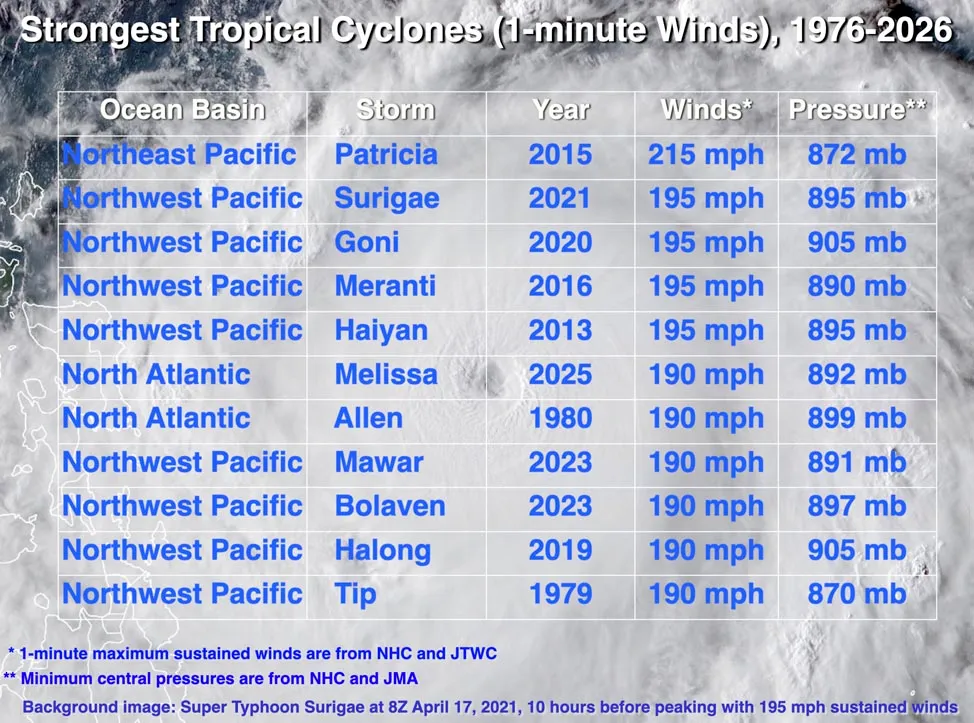
Using NOAA’s HiFLOR model, a top-tier climate modeling tool, a 2018 paper projected alarming increases in ultra-intense Category 5 hurricanes—from about one every eight years to an annual occurrence by the late 21st century under moderate global warming scenarios. This troubling trend continues with recent forecasts indicating significant increases in Category 4 and Category 5 hurricanes, though many may remain offshore.
Conclusion
In summary, the likelihood is high—around 90%—that climate change will lead to greater destruction from Atlantic hurricanes over the next three decades compared to the previous 30 years. As long as we keep developing vulnerable coastal regions, we can expect an overwhelming rise in disaster responses in the face of increasingly intense hurricane strikes.