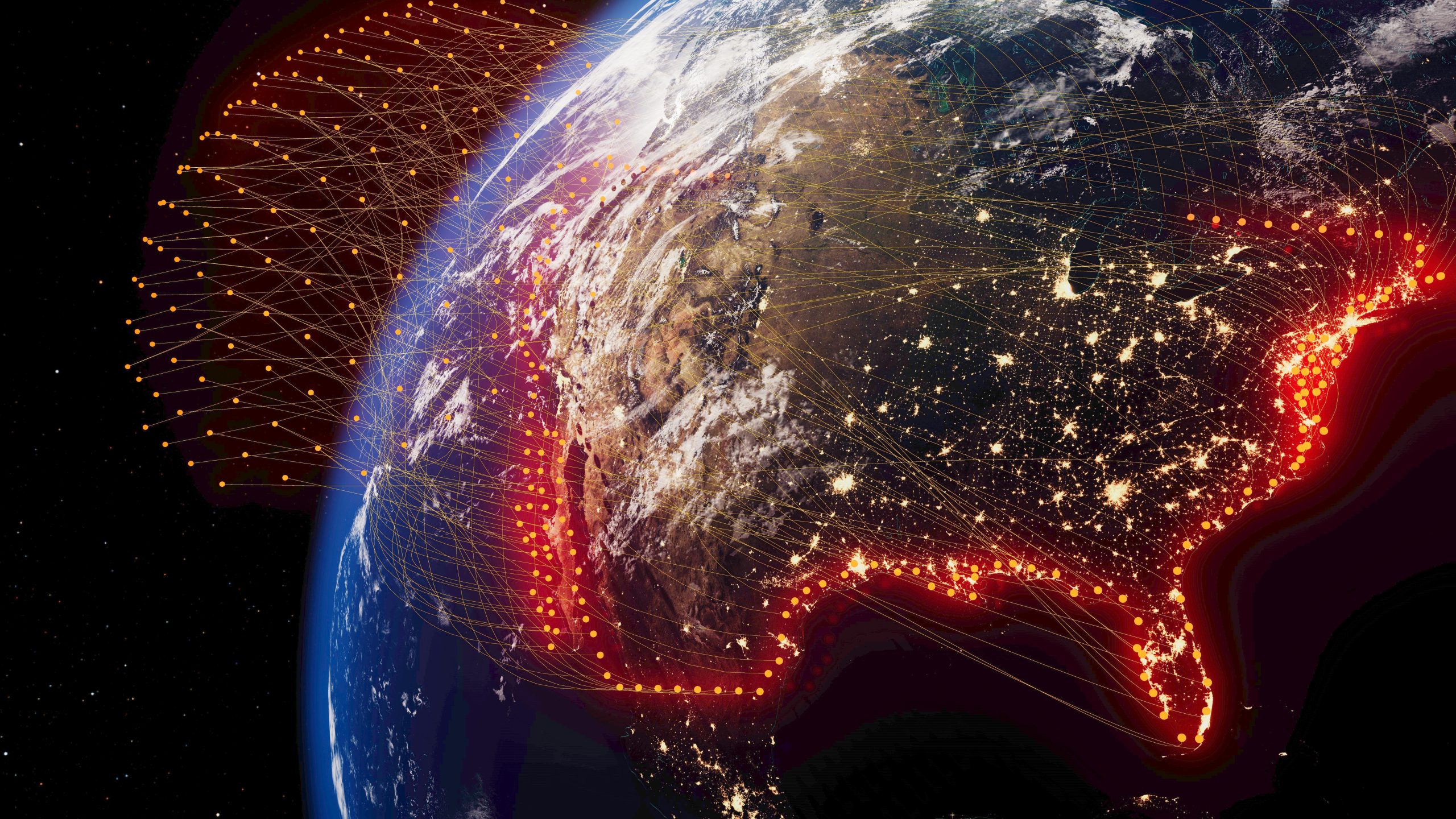
The text discusses the risks posed by missiles and debris in space, particularly the potential catastrophic effects of the Kessler Effect—a chain reaction of collisions resulting in a cascade of space debris.
Key points include:
-
Threat of Kinetic Attacks: Missiles can destroy satellites, creating debris that could threaten other satellites in orbit.
-
Current Satellite Landscape: There are nearly 15,000 functional satellites and up to 10,000 defunct ones in Earth’s orbit, along with a substantial number of smaller debris pieces—500,000 objects 1-10 cm large and 100 million in the 1-mm range.
-
Kessler Effect: This phenomenon describes a scenario where a collision generates debris, leading to further collisions and ultimately risking all spacecraft in a particular orbital range.
-
Real-World Examples: The text cites China’s 2007 satellite destruction test, which created over 3,000 debris pieces, and Russia’s 2021 test, which resulted in 1,500 fragments. Both incidents underline the risk of initiating a Kessler cascade, as luck has so far helped avoid catastrophic chain reactions.
-
Danger of Space Debris: Even small objects, traveling at high speeds, pose a considerable threat to satellites and crewed spacecraft.
This highlights the growing concern over orbital debris management and the potential dangers posed by military actions in space.


