Breakthrough in Quantum Entanglement at CERN’s LHC
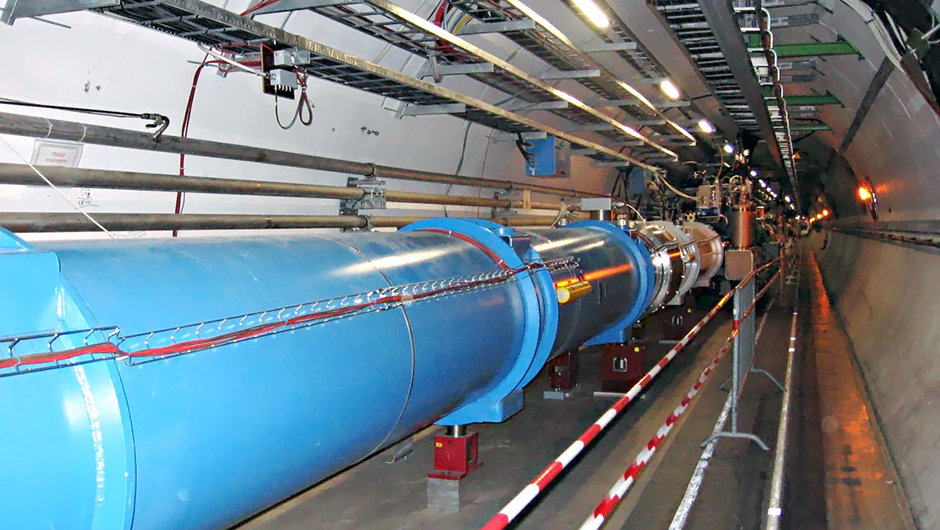
An international team of physicists has made a remarkable discovery with the help of the Large Hadron Collider (LHC) at CERN, confirming that quantum entanglement exists among heavy and fleeting particles. This finding, published in Physical Review Letters, showcases the persistent mysteries of quantum mechanics.
What is Quantum Entanglement?
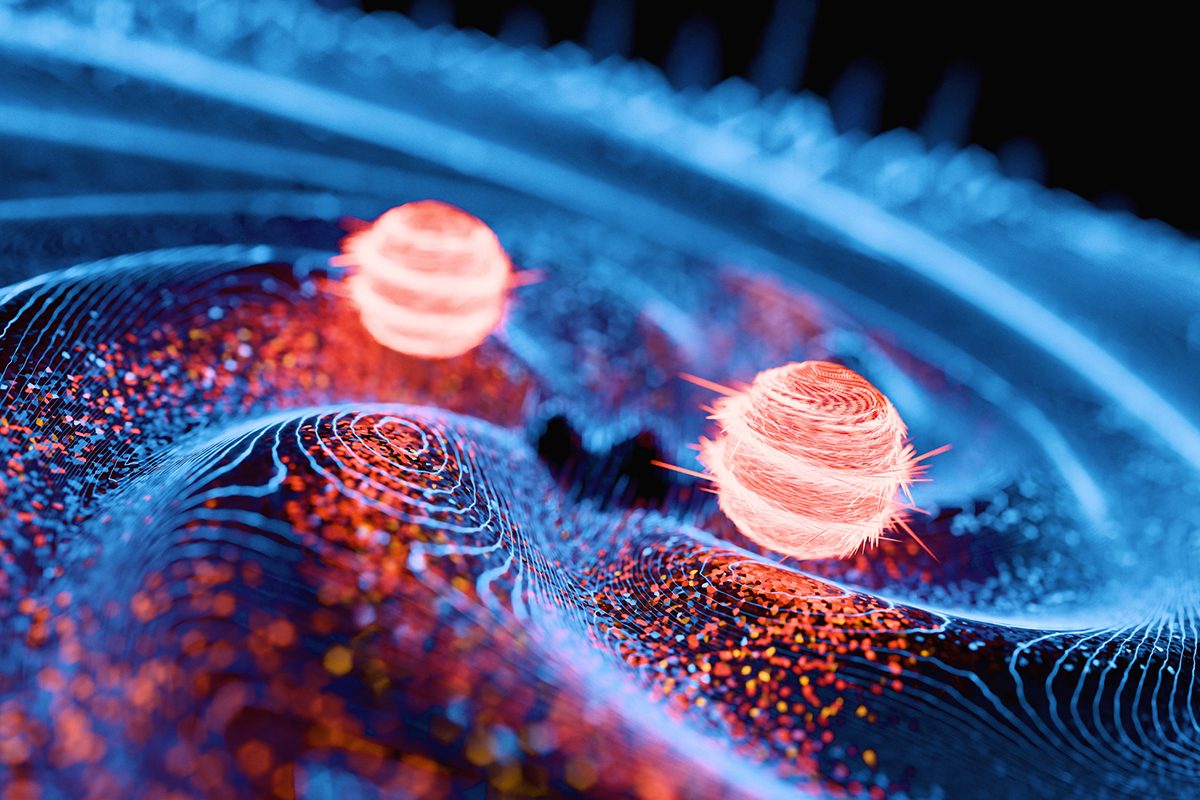
Albert Einstein referred to it as “spooky action at a distance.” Quantum entanglement describes a phenomenon where two particles remain interconnected regardless of the distance separating them. A measurement made on one particle provides instant information about its paired counterpart. This principle is crucial for future technologies like quantum computers, which rely on entangled qubits to perform calculations simultaneously.

Testing Quantum Mechanics at Extreme Energies
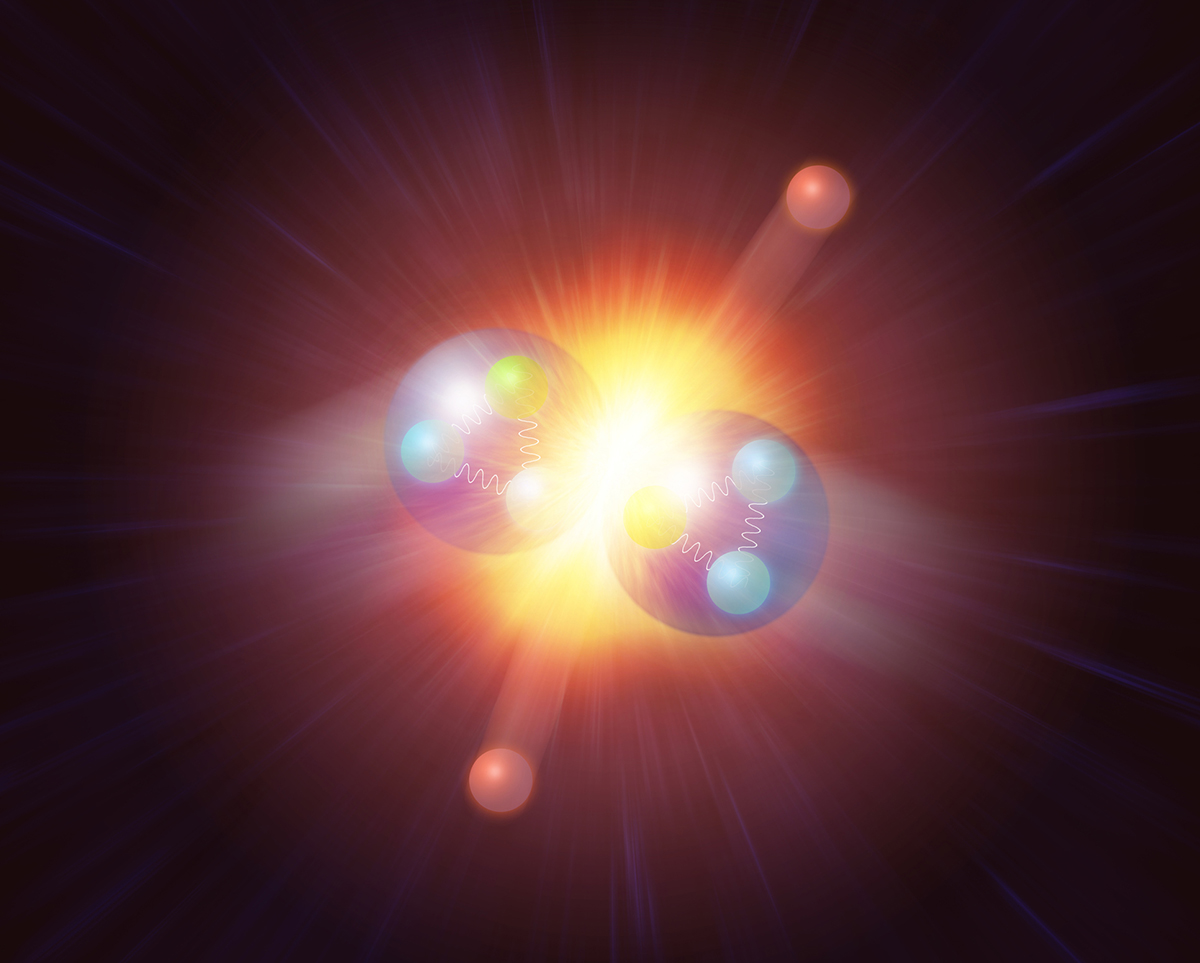
Previous experiments have demonstrated entanglement in photons and electrons, but its presence in high-energy environments remained unexplored. The team, using the LHC’s ATLAS experiment, investigated Z bosons—short-lived particles produced during high-energy collisions, where protons are smashed together at nearly the speed of light, generating 13 trillion electron volts of energy.
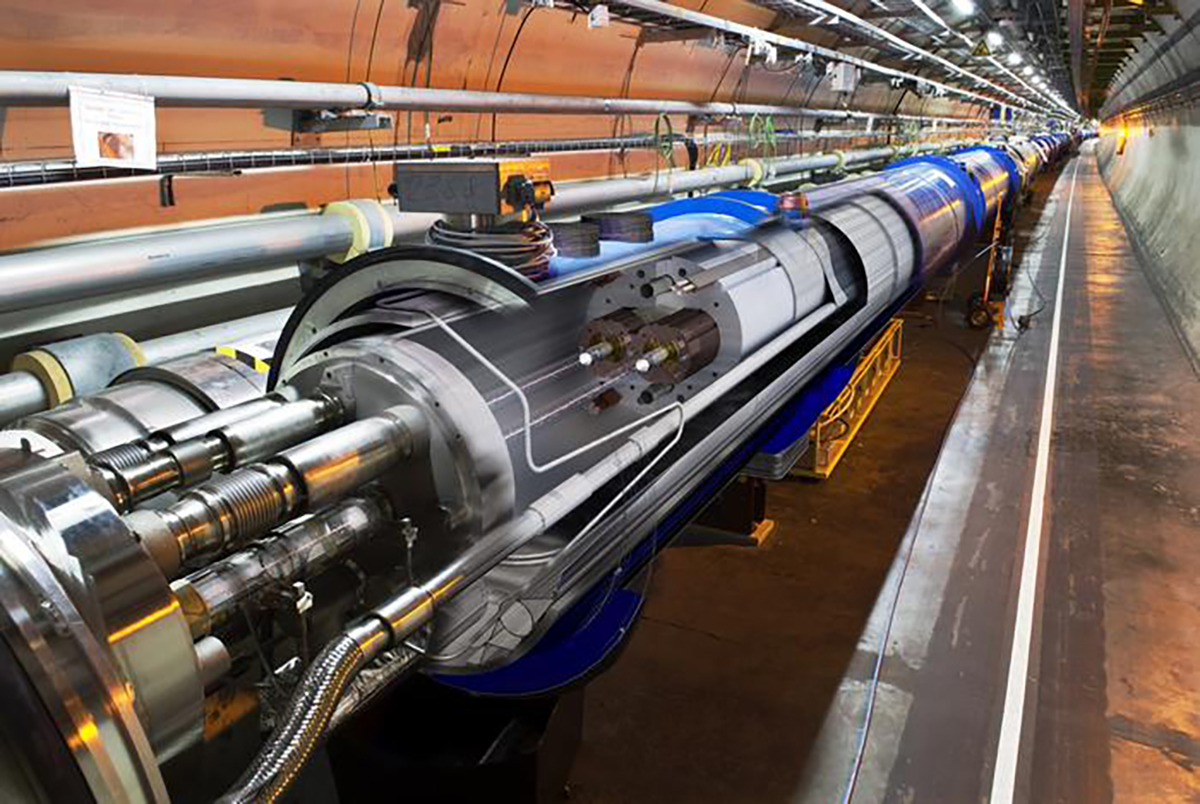
In this process, Higgs bosons are produced and immediately decay into Z boson pairs. Although Z bosons exist for a mere fraction of a second, the ATLAS detector was able to track the resulting electrons and muons, leading to evidence of their entangled state, marking one of the highest-energy confirmations of entanglement recorded to date.
Importance of the Discovery
This discovery is crucial as it bridges ideas from quantum information science and particle physics, allowing scientists to develop new methods for analyzing collider data. Co-author Professor Alan Barr comments on the significance of finding such robust entanglement under extreme conditions. His sentiments echo the broader implications for our understanding of quantum mechanics and potential advancements in technology.
Professor Daniela Bortoletto hails the achievement as a testament to the scientific capabilities of CERN’s LHC and the collaborative efforts of researchers, paving the way for exploring the universe’s fundamental laws.
For further details, you can read the full research paper here.