National Hispanic Heritage Month: Celebrating Diversity and Contributions
Across the U.S., celebrations are kicking off for National Hispanic Heritage Month, which runs from September 15 to October 15. This month serves as a reminder of the significant contributions made by Hispanic individuals, highlighting the rich cultures within the community of over 70 million Hispanic residents, making up one-fifth of the U.S. population.
Historical Background
National Hispanic Heritage Month began as Hispanic Heritage Week, a legislation introduced by Rep. Edward R. Roybal in 1968 and later expanded to a month by President Ronald Reagan in 1988. September 15 was chosen specifically to honor the anniversary of “El Grito de Dolores,” a pivotal call for Mexico’s independence from Spain, along with the independence celebrations of several Central American nations.
Cultural Significance
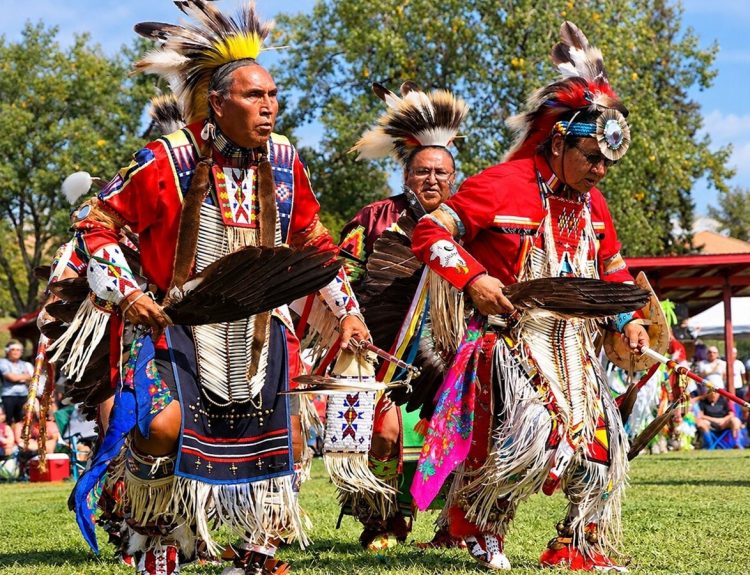
The month is not only a time for celebration but also an opportunity for education. Alberto Lammers from the UCLA Latino Policy and Politics Institute notes it helps communities connect and understand Hispanic cultures. The celebrations reflect the intertwined struggles of Latin American nations and their histories, particularly concerning the rights of Indigenous peoples, as explained by Paul Ortiz from Cornell University.
Community and Labor
A strong sense of family and community support is significant in Latino cultures, which often leads to higher participation in labor unions. Ortiz emphasizes the collective struggle for better wages and working conditions among Latinos.
A Time for Reflection
As the Latino consumer base grows, there is increasing curiosity and appreciation for Latino culture, particularly in today’s politically charged environment. Diego Javier Luis, a historian, points out that understanding and recognizing the contributions of Latin Americans is crucial for a comprehensive view of U.S. history.
Identifiers and Diversity
The term “Hispanic,” created by the federal government, sometimes carries political implications and is often confused with “Latino” or “Latinx.” Each term reflects different cultural ties; thus, some individuals prefer to celebrate Latinx Heritage Month, recognizing the diversity within the Latino community, which spans various nationalities such as Mexican American, Colombian American, and Salvadoran American.
Conclusion
As National Hispanic Heritage Month unfolds, it highlights not only the contributions of Hispanic cultures to the U.S. but also the essential role of communities and individuals who shape these diverse histories, emphasizing that Latino history is U.S. history.