Liquid-Cooled Gaming Tablets: A New Frontier or a Niche Product?
Tablets have often found themselves in a strange position in the gaming world. Though they offer larger screens than smartphones, they typically don’t provide a significant boost in processing power, limiting their potential for high-end gaming experiences. With many consumers opting to purchase tablets as computer replacements or streaming devices, gaming isn’t always the main focus.
The RedMagic Astra 2
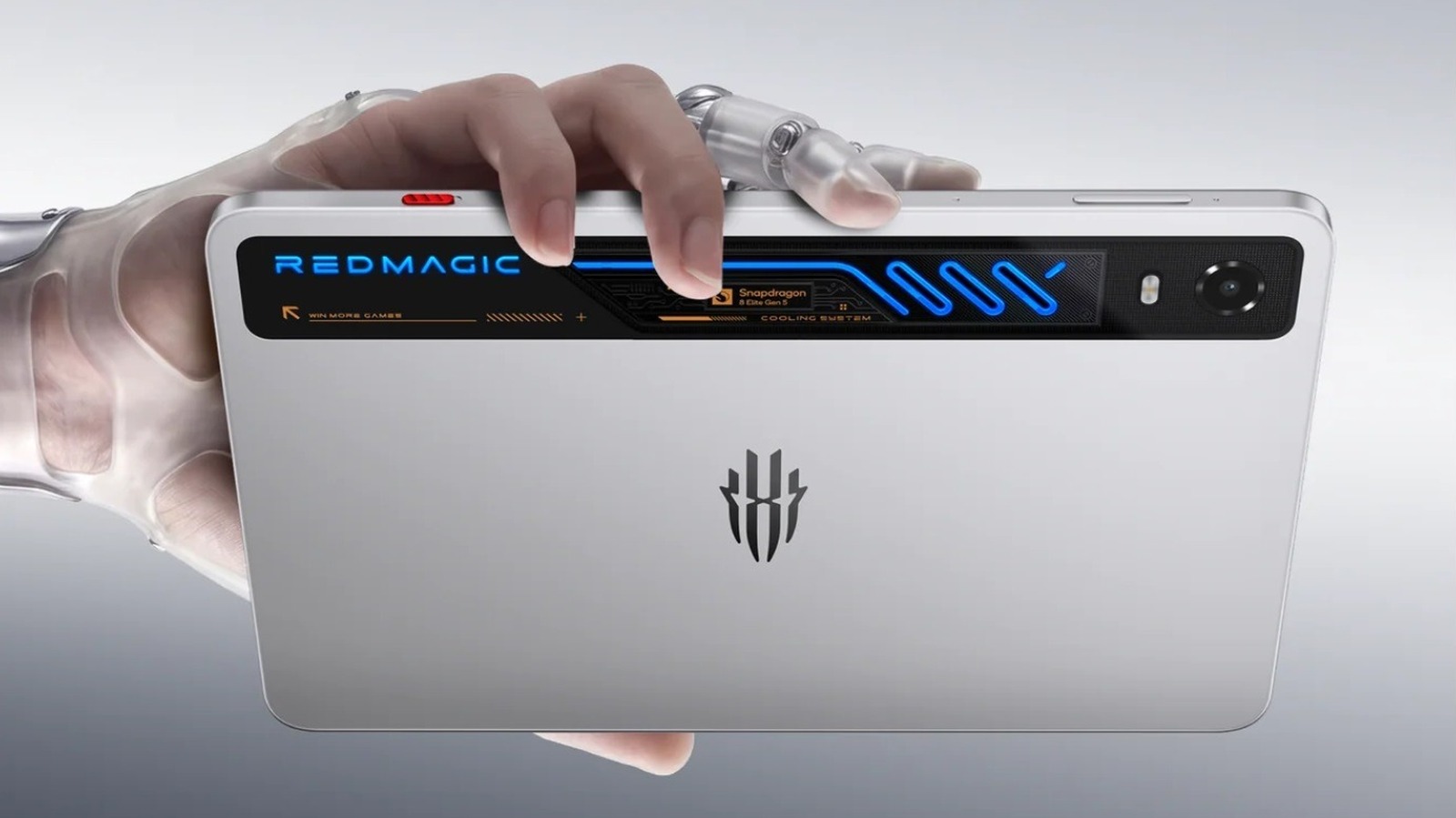
Enter the RedMagic Astra 2, touted as the first liquid-cooled gaming tablet. With 12GB of RAM, a 4.6GHz processor, and a 9.06-inch OLED screen, it offers impressive specifications for gamers. However, with prices starting at $699, RedMagic will need to convince consumers that the investment is worthwhile, especially in light of rising hardware costs due to memory chip shortages.
An Overcrowded Market
The Astra 2 runs on a customized version of Android, unlike other handheld gaming devices that utilize operating systems like Windows or SteamOS. Competing devices such as the Valve Steam Deck offer compatibility with over 30,000 Steam titles at a more affordable price—only $90 more than the Astra 2.
Pros and Cons of Liquid-Cooled Tablets
The effectiveness of liquid cooling in tablets depends on the user’s needs:
-
Performance: For avid mobile gamers looking for extended playing sessions without the risk of overheating, the Astra 2 could prove beneficial.
-
Alternatives: For those who simply want a larger gaming screen, using a USB-C to HDMI cable to connect a device to a TV or exploring Android emulators on a PC may be more cost-effective.
-
Exclusivity: Many popular mobile games are available on gaming consoles, allowing developers to leverage higher performance hardware for improved visuals and features.
-
Maintenance: After a one-year warranty, users may face challenges with repairs due to limited availability of technicians and costly replacement parts.
Conclusion
While the Astra 2 advances tablet technology, whether liquid cooling becomes mainstream or fades away remains uncertain. As mobile devices get more powerful and games more demanding, the viability of liquid cooling may become clearer, potentially transforming the landscape of mobile gaming.