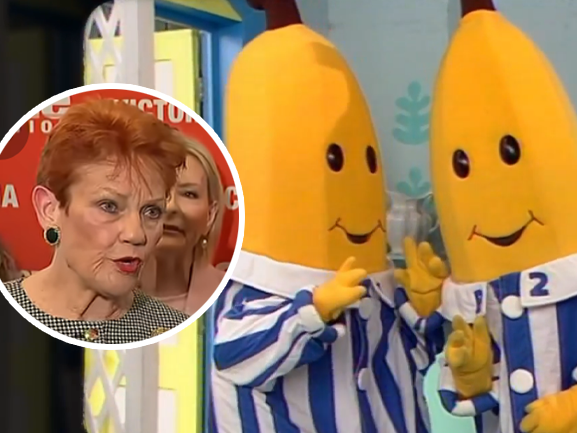
Pauline Hanson’s Proposal for a Paywall on the ABC: A Threat to Shared Australian Culture
Michael Gibbons writes about the implications of Pauline Hanson’s suggestion to place the Australian Broadcasting Corporation (ABC) behind a paywall, which poses a threat to the country’s collective cultural heritage.
In the current political climate, Hanson, a prominent figure on the right, has ignited debates around public broadcasting. While supporters on the Left advocate for the ABC, those on the Right, including Hanson, criticize it as a misuse of taxpayer funds.
Hanson’s call to transform the ABC into a subscription-based service, along with her proposition to ban it from One Nation press conferences, prompts a reflection on the ABC’s cultural contributions over the last four decades.
The ABC’s partnership with the BBC has significantly shaped Australia’s cultural landscape, providing a connection to the UK for many Australians. Iconic British shows like Doctor Who, which aired numerous times, fostered a passion for science fiction among viewers.
The ABC has also played a pivotal role in Australian television, bringing forth beloved dramas like SeaChange, children’s programs including Bluey, and influential cultural shows such as Australian Story and Gardening Australia.
Notably, the ABC has nurtured Australian comedy, with shows like The D-Generation and Frontline leaving a lasting impact. It has also been vital in launching the careers of numerous influential personalities in the entertainment industry, showcasing a myriad of talent.
Gibbons argues that the ABC’s accessibility is a vital aspect of Australian culture. He likens a potential paywall to charging fees for borrowing library books or listening to the radio, asserting that public broadcasting is integral to a nation’s cultural framework. Removing universal access risks segmenting society and limiting shared experiences to those who can afford them.
Moreover, the significance of the SBS (Special Broadcasting Service) cannot be underestimated. It offers a platform for diverse cultural narratives in Australia. Hanson’s views on promoting a monocultural society pose questions about inclusivity and shared understanding.
By calling for a paywall, Gibbons warns that access to cultural content could become skewed, preventing equal participation in a shared cultural experience. He concludes that both the ABC and SBS should remain accessible to preserve the integrity of Australian culture for all.
Michael Gibbons, an Australian writer with expertise in Screen and Cultural Studies, emphasizes that free access to public broadcasting is essential for a cohesive society.


