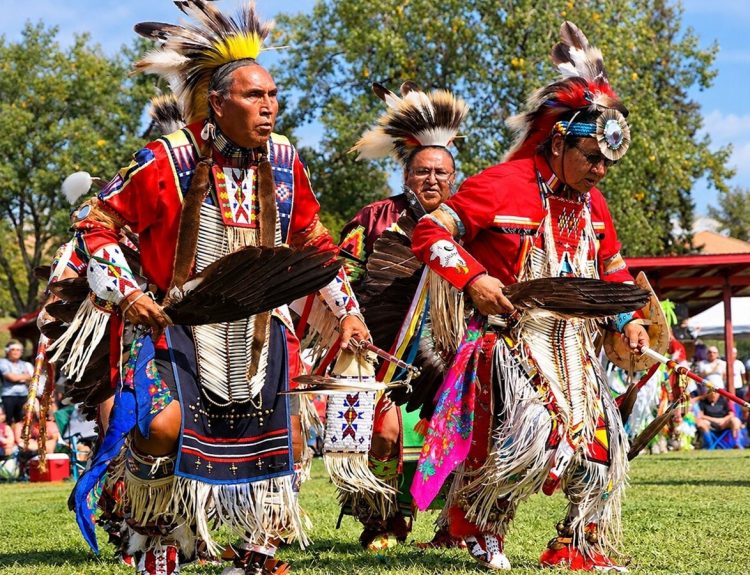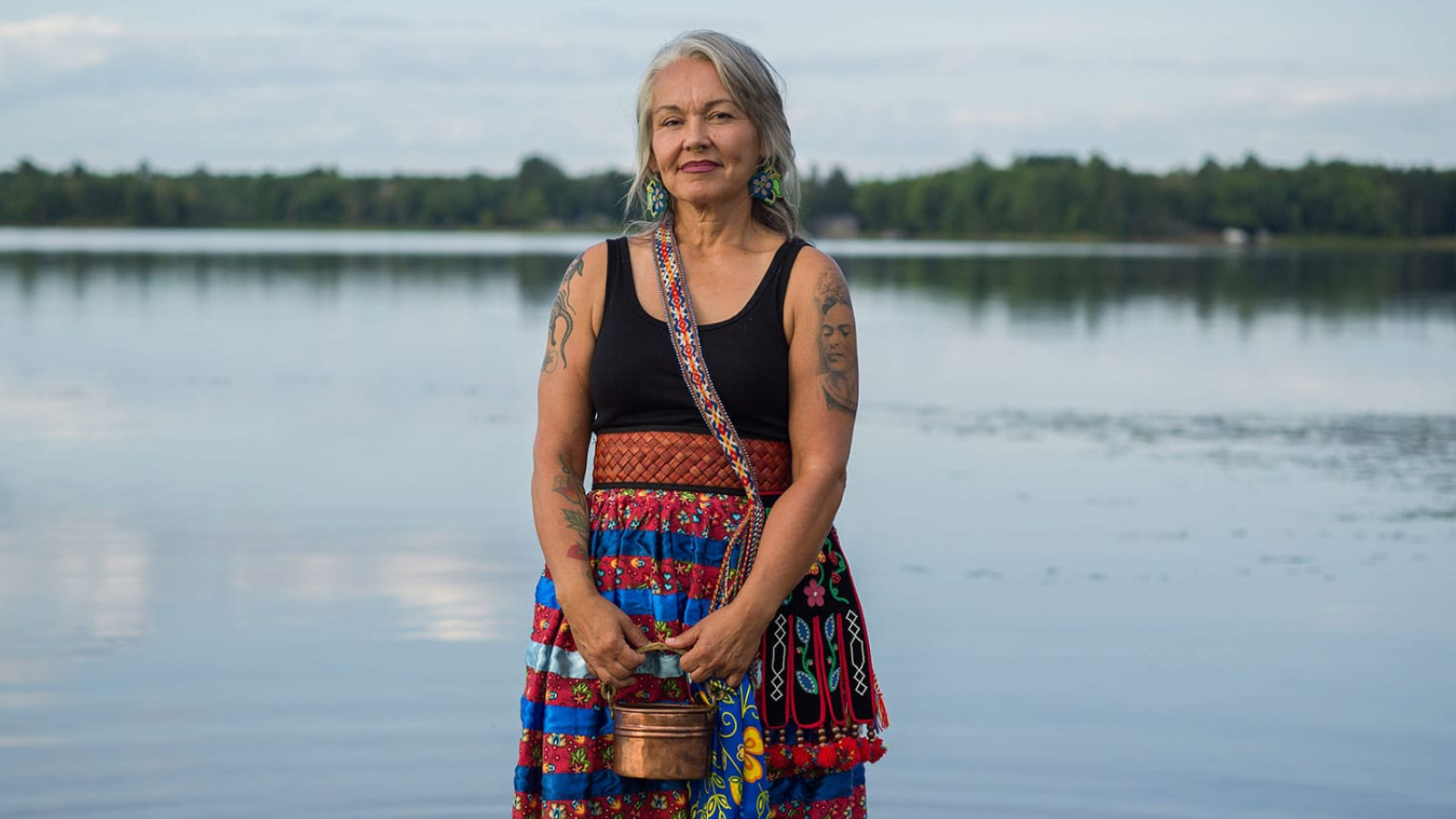
The history of Dakota and Native American communities is deeply intertwined with the heritage of Minnesota. Kate Beane, executive director of the Minnesota Museum of American Art, emphasizes that “Dakota history is Minnesota history.” The state’s name itself derives from the Dakota phrase Mni Sóta Makoce, meaning “land where the waters reflect the clouds.”
The Minneapolis–St. Paul area is notable for housing one of the largest and most diverse urban Indigenous populations in the U.S. It is also the birthplace of the American Indian Movement, founded in 1968 to combat police brutality and discrimination against Native Americans. Additionally, Little Earth of United Tribes stands as the only housing complex in the U.S. that prioritizes Native residents.
Historically, Dakota and Anishinaabe (Ojibwe) peoples have long been caretakers of Minnesota’s land, using its rich resources for sustenance and trade. Despite the impacts of colonialism, these Indigenous cultures continue to thrive today. Currently, Minnesota is home to 11 federally recognized tribes, including seven Ojibwe and four Dakota, along with many individuals from various tribal nations.
These Indigenous communities contribute significantly to the state’s cultural landscape through their unique traditions, art, and culinary offerings, making Minnesota a compelling destination for those interested in authentic Indigenous experiences.