Autumn Colors: A Satellite View of Nunavut’s Transformation
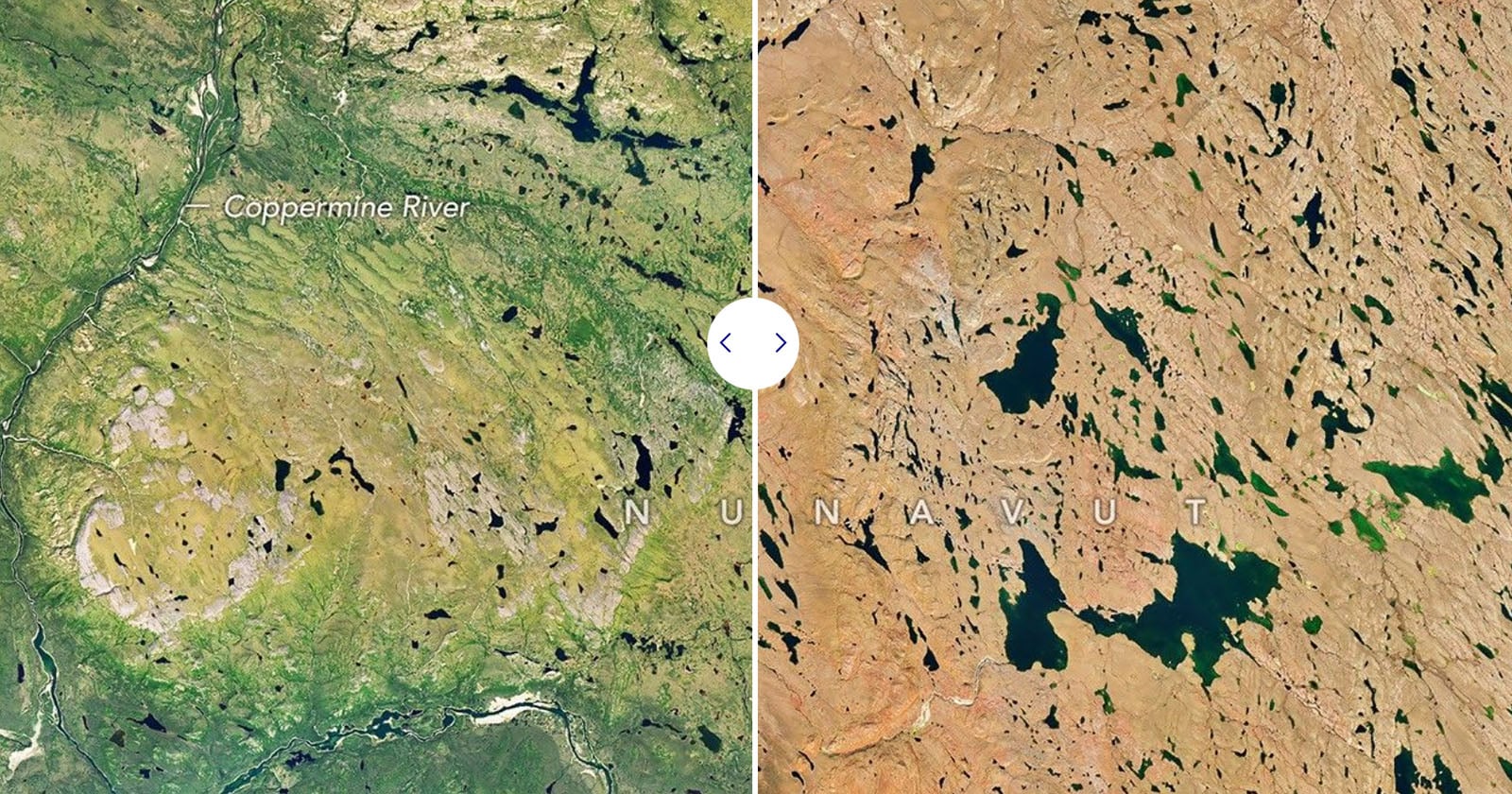
Recent satellite imagery from NASA showcases the stunning transition of Nunavut, Canada, as fall foliage emerges in vibrant hues. A stark contrast is visible between images captured in July and September of 2026, highlighting the region’s rapid seasonal shift.
Aerial Observations
-
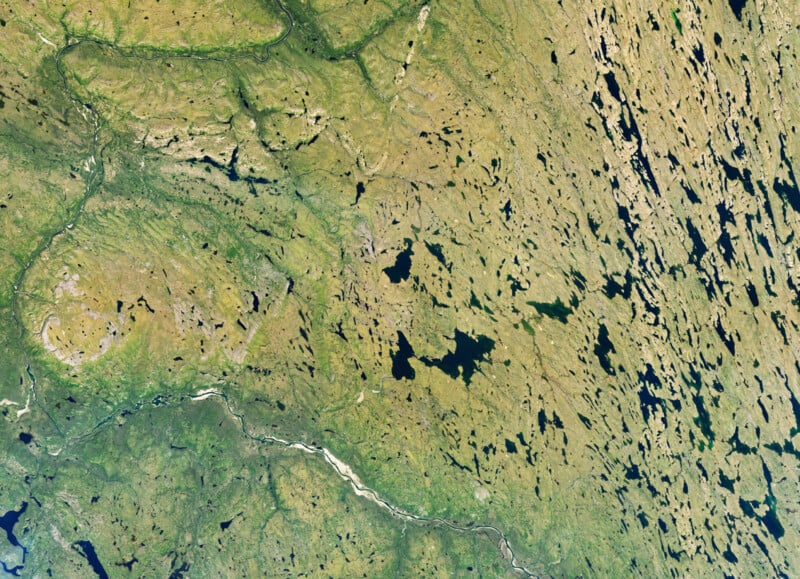
July 27, 2026: The landscape is predominantly green, characterized by winding rivers and patches of vegetation.
-
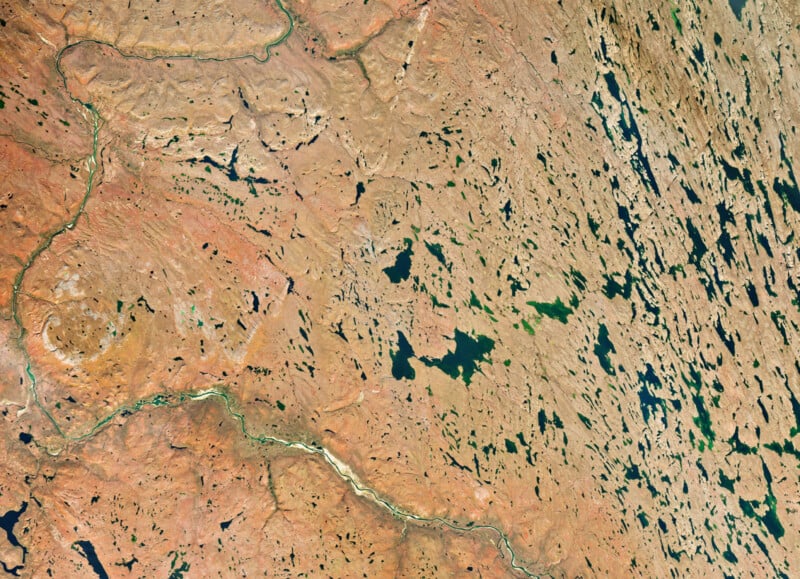
September 6, 2026: A dramatic transformation occurs, with the area now enveloped in shades of orange, red, and yellow.
The Science Behind the Change
- The region, known for its willow and birch shrubs, as well as low-growing blueberries and bearberries, exhibits peak fall colors typically around mid-September.
- NASA and South Dakota State University analyzed seven years of data, confirming that Nunavut is one of the first places in North America to display autumnal colors.
Observations on Color Duration
- The peak colors in far northern regions like Nunavut can last as little as a week, contrasting with lower-latitude areas where the spectacle can span several weeks.
Implications for Photography
- Fall foliage presents incredible opportunities for nature and wildlife photographers. The vibrant leaves are stunning subjects and make excellent backdrops for outdoor portraits.
- As the autumn season progresses, regions such as Vermont, New York, and Maine will also begin to reveal their peak colors, typically around late September to early October.
For more information on forecasting fall colors, check out the best fall foliage maps and tips for capturing stunning autumn photography.
Image credits: NASA


