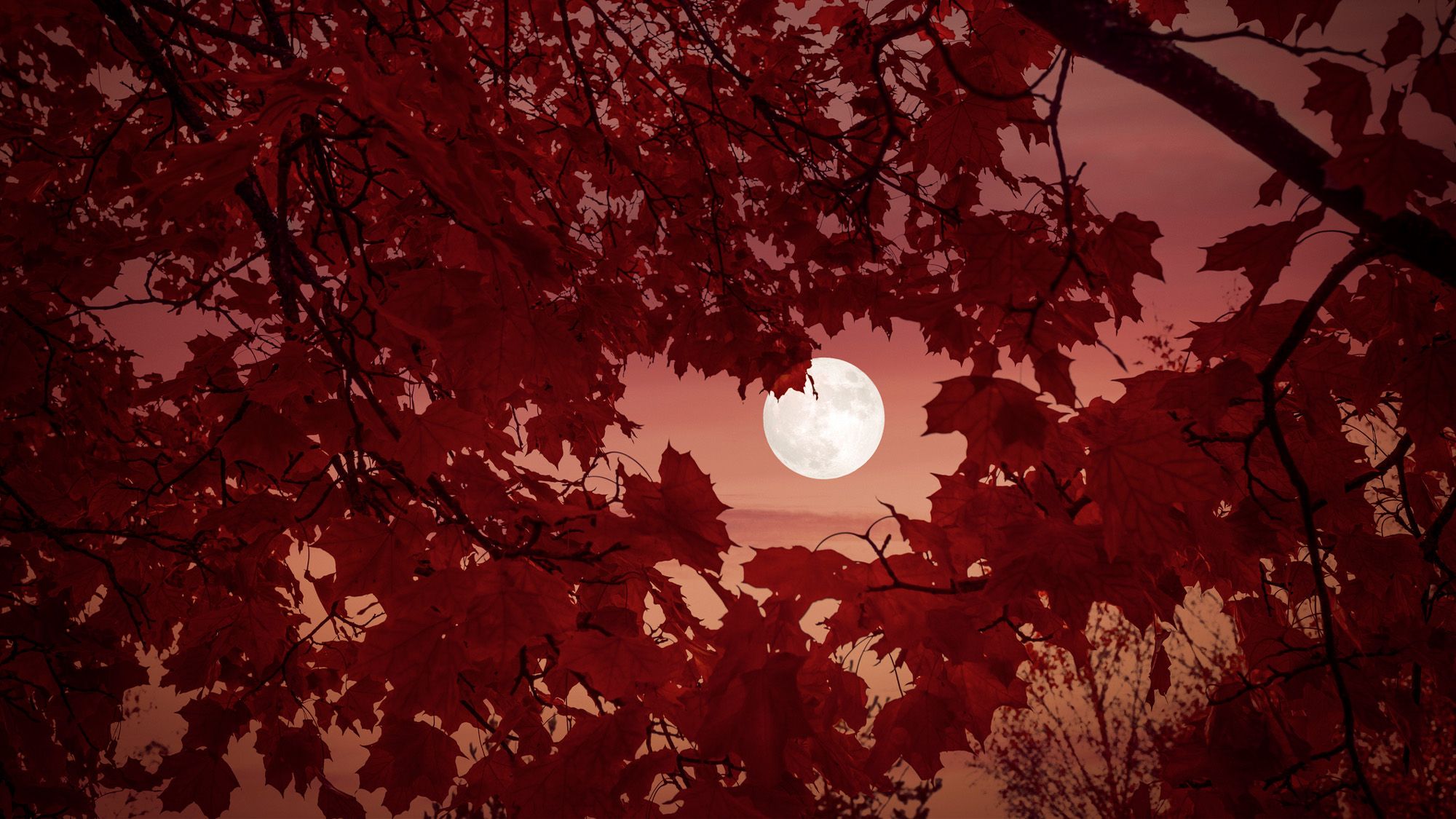
Stargazing This Fall: A Guide to Celestial Events
As the nights grow longer this fall, many will be dusting off their binoculars and telescopes to enjoy stargazing. This season brings back celestial wonders and allows both seasoned astronomers and beginners to enjoy the beauty of the night sky.
Perfect Timing for Stargazing
With earlier sunsets and cooler temperatures, fall is a great time for casual stargazing. Even if you don’t have any gear yet, many celestial objects are visible to the naked eye.
Key Fall Events
-
Neptune at Opposition: September 26—Neptune shines at magnitude +7.8. Use a large telescope (6-8 inches) for the best chance to spot it.
-
Saturn at Opposition: October 4—Easily visible, Saturn shines at magnitude +0.3. Use at least a 4-inch telescope to see its rings.
-
Full Supermoon: November 24—The Beaver Moon will be about 15% brighter than a typical full moon.
-
Uranus at Opposition: November 25—Follow similar guidelines as for Neptune to observe it better.
Meteor Showers to Watch
-
Draconids: October 6-10, peaking on October 8-9. Best viewed in the late evening.
-
Orionids: October 2–November 7, peaking on October 21-22. Watch after the moon sets for best visibility.
-
Leonids: November 6-30, peaking around November 17-18.
Star Clusters and Constellations
-
Pleiades: Visible from dusk to dawn in November, this open cluster is beautiful with the naked eye.
-
Cassiopeia: This “W” shaped constellation is perfect for fall viewing.
Deep-Sky Observations
-
Andromeda Galaxy (M31): A must-see this season, especially between October and November. Visible as a faint smudge even without gear.
-
Helix Nebula: Best viewed in September; an excellent target for photography.
-
Triangulum Galaxy (M33): Ideal for astrophotography from October to December.
Tips for Stargazing
-
Use Binoculars or Telescopes: For detailed views of celestial phenomena, opt for binoculars or smart telescopes.
-
Find Dark Skies: Light pollution can hinder your experience. Choose remote locations for optimal viewing.
-
Be Patient: Give yourself time to adjust to the dark, and be sure to check moon phases to avoid interference when stargazing.
Get ready to explore the night sky this fall, armed with your favorite gear and the excitement of celestial wonders waiting to be discovered!


