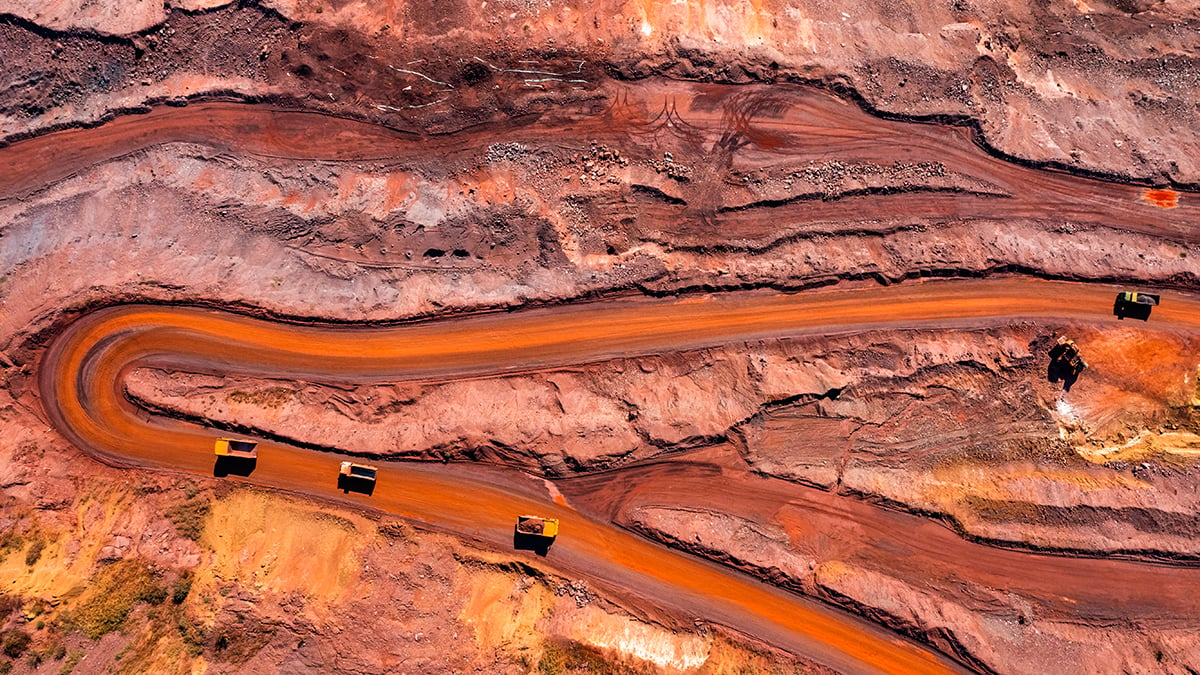
The search for natural sources of hydrogen is gaining momentum as scientists explore ways to transition toward a low-carbon energy future. Hydrogen is a clean fuel, yet most of it is still derived from fossil fuels. Researchers are investigating geological processes that produce hydrogen, particularly in regions rich in iron ore, like Western Australia.
A team from Edith Cowan University conducted a study on hydrogen’s potential production in this area. Their research, published in the International Journal of Hydrogen Energy, reveals that iron ore can generate hydrogen when hot water interacts with the mineral magnetite. The lab experiments simulated conditions underground, demonstrating that magnetite can produce significant amounts of hydrogen gas.
One of the critical findings is that magnetite powder generates about five times more hydrogen than slab forms, suggesting that fractured and porous rocks are ideal for hydrogen generation. The studies also highlighted that while the reactions convert magnetite to hematite—a process that may limit further hydrogen production—the geological understanding gained will help improve hydrogen extraction models.
Despite the challenges ahead in hydrogen production from these deposits, the research indicates a promising energy future for Australia, with potential for substantial global clean energy exports.


