When contemplating bringing a pet into your family, it’s crucial to consider how different animals can affect children’s health and well-being. Research indicates that growing up with pets can enhance kids’ physical health, potentially boosting their immune systems and offering protection against various conditions, such as eczema and food allergies.
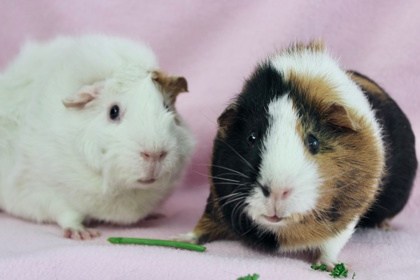
However, the results are mixed regarding mental health. A recent study found that owning a cat during early childhood (ages 4-5) may increase the risk of mental health issues by ages 7-8, particularly for children showing signs of internalizing and externalizing problems. Interestingly, children with less common pets—such as guinea pigs or fish—seem to have fewer behavioral issues compared to those with cats.
### What Researchers Discovered
The study involved around 2,000 mother-child pairs in Spain, analyzing behaviors reported by mothers regarding their children. The findings categorized the problems into internal (emotional challenges) and external (conduct issues). While cats seemed to correlate with heightened mental health risks, less common pets appeared to provide a protective benefit.
### Insights on Cats vs. Other Pets
The study suggests that the emotional engagement children build with their pets is vital for mental development. Cats, being less affectionate and often associated with families experiencing mental health challenges, may not contribute the same emotional support as dogs or other pets.
### Positive Findings on Cats
It’s worth noting that other studies contribute to a more favorable view of cats, with some findings indicating that they can improve emotional well-being, empathy, and reduce anxiety in children with autism.
### Conclusion
While a furry feline might have potential downsides for certain children’s mental health, other pets might offer different benefits. Assessing a child’s emotional needs and fostering stronger bonds is essential in determining the right pet for your family.