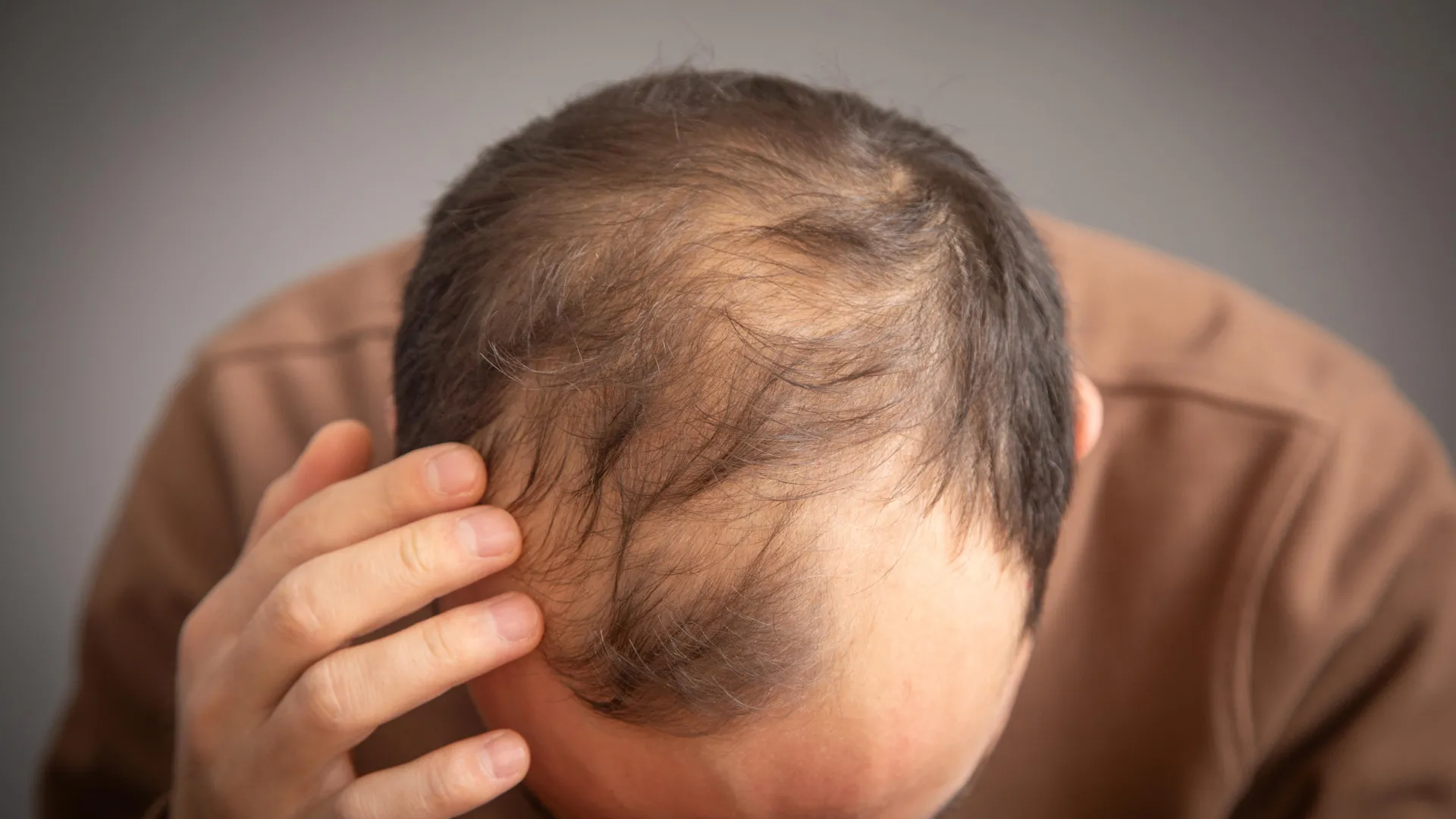
A recent study by researchers at NYU Langone Health reveals that men genetically predisposed to the most common form of hair loss may face an increased risk of hair loss—up to 7%—when using GLP-1 drugs like Ozempic, Wegovy, and Zepbound for diabetes and obesity.
Key Findings:
- Genetic Link: The study examined the GLP1R gene, which influences GLP-1 receptor proteins. Higher GLP1R activity correlates with increased levels of these proteins, which were found to be more prevalent in men with androgenetic alopecia.
- Risk Factors: Even after adjusting for hypertension, insulin resistance, and reduced testosterone levels—known risk factors for hair loss—the additional hair loss risk remained at 7%.
- Hair Growth Recovery: Many GLP-1 users report renewed hair growth months after stabilizing their weight, yet genetics may play a role in initial shedding.
Implications:
- Screening: The findings could pave the way for genetic screenings to identify individuals who might be more vulnerable to hair loss before prescribing GLP-1 medications.
- Combination Treatments: This research could lead to potential combined therapies, such as minoxidil, to mitigate hair loss in at-risk patients.
Next Steps:
Further investigation is needed to explore how GLP-1 activity impacts hair follicle growth and whether similar genetic correlations exist in women. The research highlights a previously unestablished connection between GLP-1 usage and male-pattern hair loss, signaling the need for ongoing studies in this area.
Study Support:
The research was funded by the National Institutes of Health and involved large genetic databases, indicating extensive collaboration and thorough analysis.


