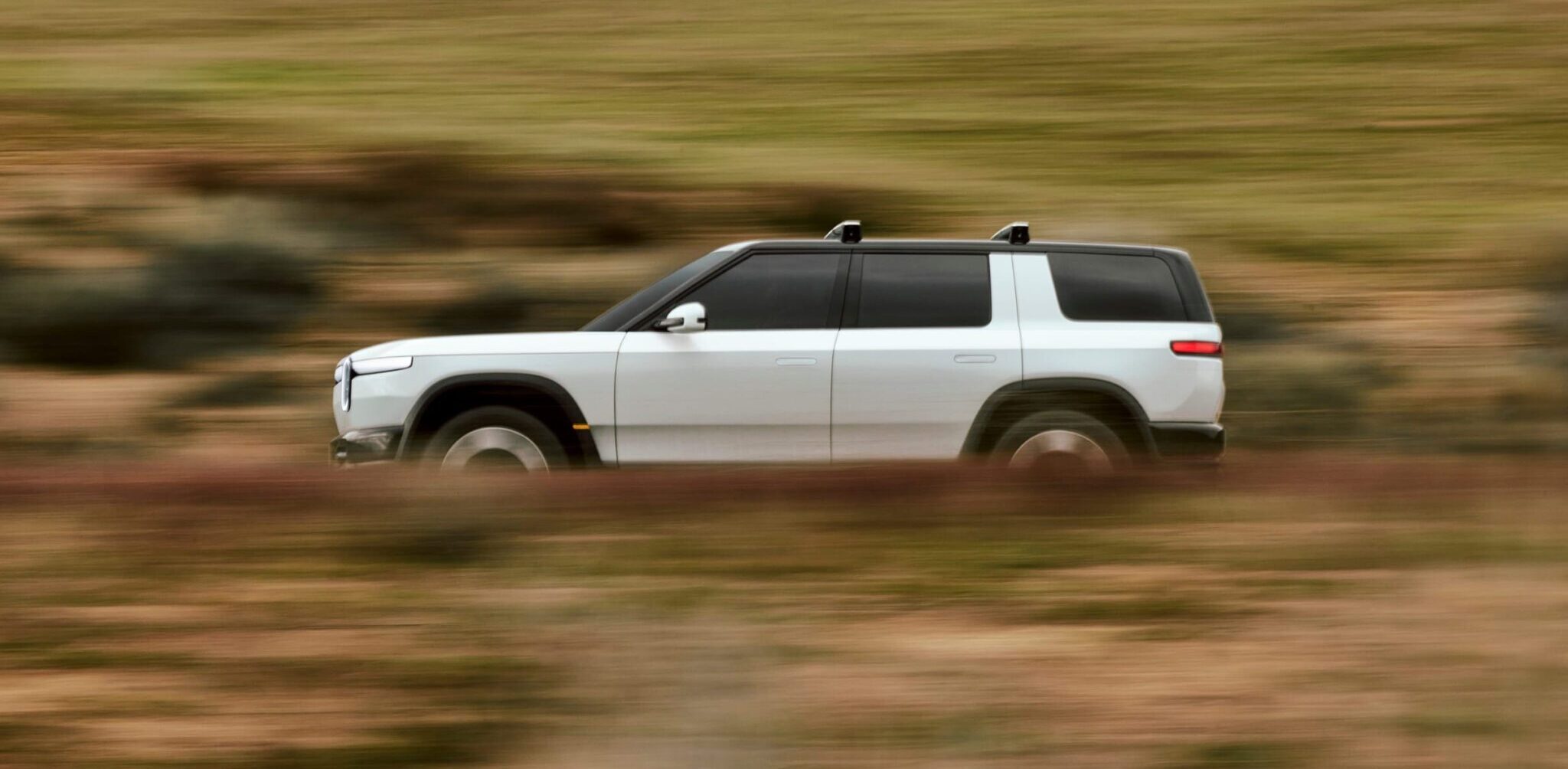
Rivian has recently showcased significant growth, delivering 19,248 vehicles in Q3 2026—representing a 46% year-over-year increase and exceeding analysts’ expectations. This growth occurs amidst a broader decline in the U.S. electric vehicle (EV) market following the removal of the federal EV tax credit. Currently, Rivian’s R2 is only available in its high-end Performance trim, which retails just under $60,000.
Production at Rivian’s Illinois plant reached 19,751 units, and the company maintains its 2026 delivery forecast of 65,000 to 70,000 vehicles, bolstered by stronger-than-anticipated demand for the R2. Deliveries have risen consistently this year, from 10,365 in Q1 to 12,194 in Q2. While Rivian has not disclosed how many of the recent deliveries were R2 vehicles, it’s likely that the majority were, given recent price adjustments for the R1 series.
Despite the positive quarterly performance, Rivian needs to deliver at least 23,193 vehicles in Q4 to meet the lower end of its guidance—a challenging target that includes plans for 20,000 to 25,000 R2 deliveries by year’s end, aided by a second production shift. However, a second recall affecting 14 vehicles due to battery fastener issues casts a shadow over this progress.
As Rivian’s growth contrasts with the broader market, where EV sales dropped 15% in the first half of 2026, the company is delivering an impressive 6,400 units monthly at premium price points. In contrast, competitors like GM are scaling back production of lower-priced models, demonstrating Rivian’s strong position among buyers less reliant on subsidies.
Looking ahead, Rivian plans to release additional R2 trims at lower price points in the coming years, crucial for achieving profitability. Chief Executive RJ Scaringe has indicated that scaling production of the R2 is vital, with future plans including a more affordable compact SUV. Nonetheless, achieving profitability is complex, as Rivian projects an adjusted EBITDA loss of between $1.8 billion and $2 billion this year. Their timeline for profitability has been extended to 2028, coinciding with a partnership with Uber for autonomous R2 robotaxis.
In conclusion, while Rivian has shown it can grow without subsidies, the true test of mass-market appeal will come with the release of lower-priced R2 models, starting with a $48,490 variant in early 2027. This will ultimately assess whether demand can remain strong as buyers become more price-sensitive.