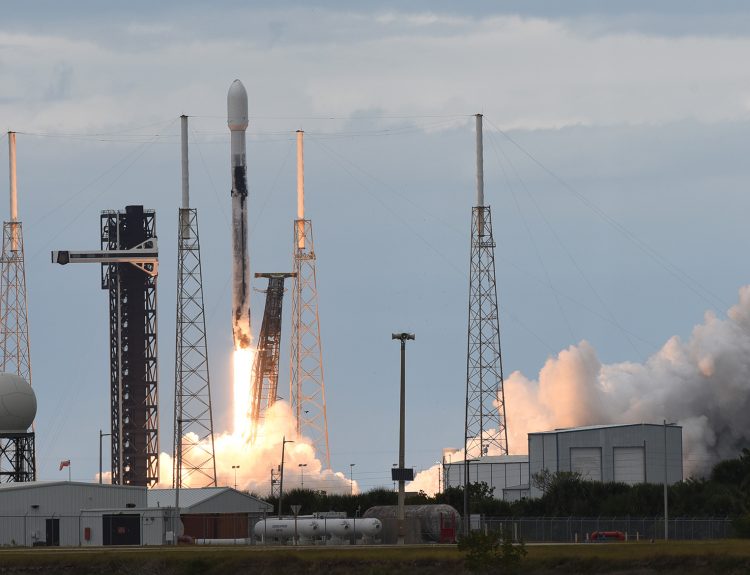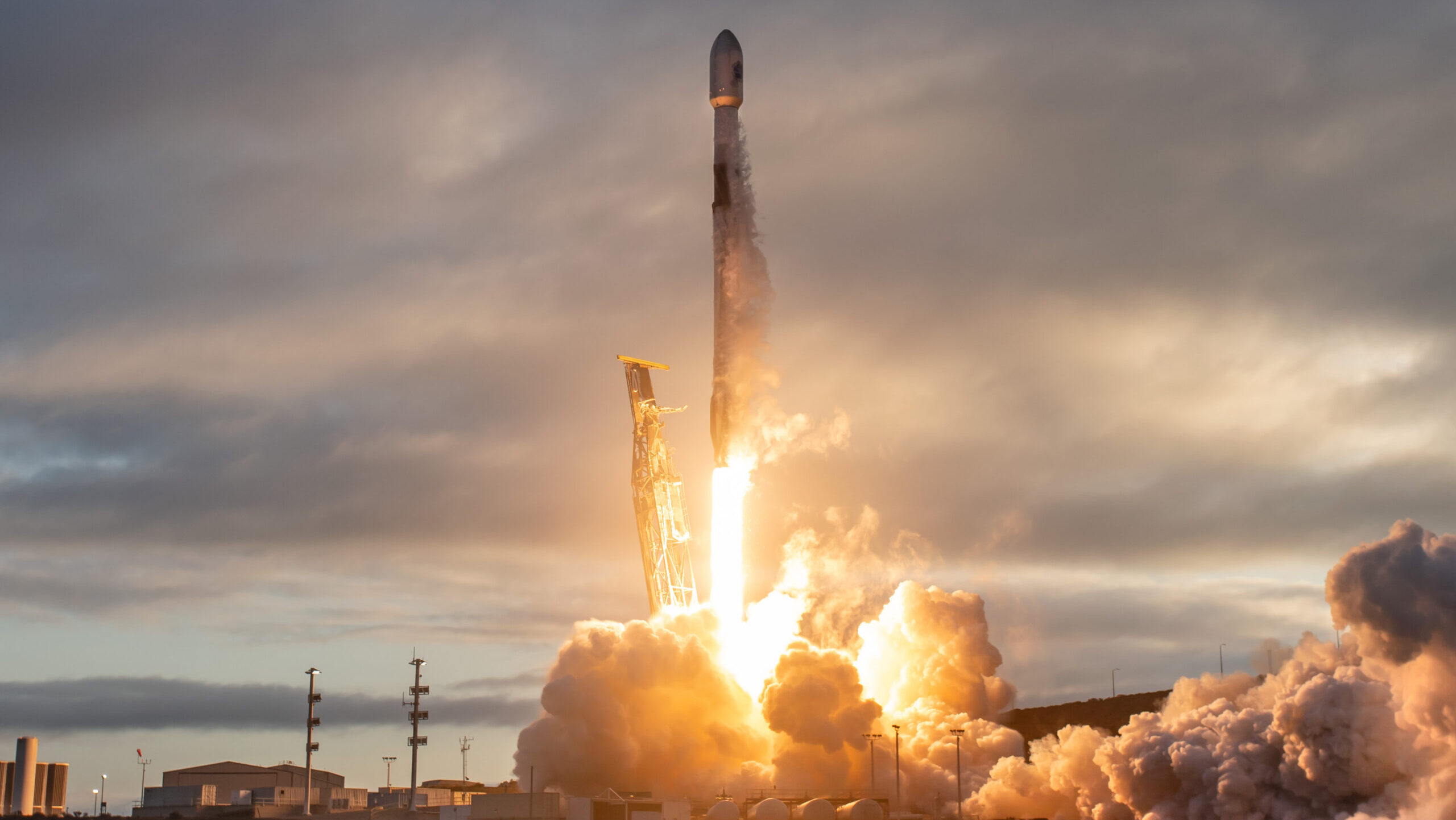
The recent National Space Transportation Policy issued by the Trump administration aims to significantly enhance U.S. launch capabilities, setting a target of over 1,000 space launches annually by 2030. While government and industry representatives applaud the ambitious plans, significant concerns have emerged regarding the funding needed to achieve these goals.
Key Points:
-
Funding Challenges: The Space Force’s goal to pursue commercial space mobility and logistics has led to urgent discussions about funding. Experts point out that the existing infrastructure may struggle to support such a high launch rate, necessitating substantial investment.
-
Interagency Coordination: The policy emphasizes the need for tight interagency coordination among the Defense Department, NASA, and other agencies. However, the lack of immediate funding mechanisms raises questions about how these plans will be implemented.
-
Regulatory Response: In response to the policy announcement, various agencies, including the FAA and NOAA, have begun initiatives aimed at enhancing launch infrastructure and regulatory processes.
-
Rising Launch Demand: Demand for launches, particularly for satellite deployment in low Earth orbit, is increasing. Reports indicate a dramatic rise in launches over the past five years.
-
Public-Private Partnerships: To secure necessary funding, experts suggest exploring public-private partnerships, noting that private investment could be encouraged if properly incentivized.
-
In-Space Transportation: The new policy not only focuses on launch capabilities but also addresses the need for in-space transportation services, which could enhance military and national space power. However, adequate funding remains a critical issue.
Overall, while the policy aims to strengthen U.S. space capabilities, the success of its ambitious goals will depend heavily on addressing funding and coordination challenges among the involved agencies.