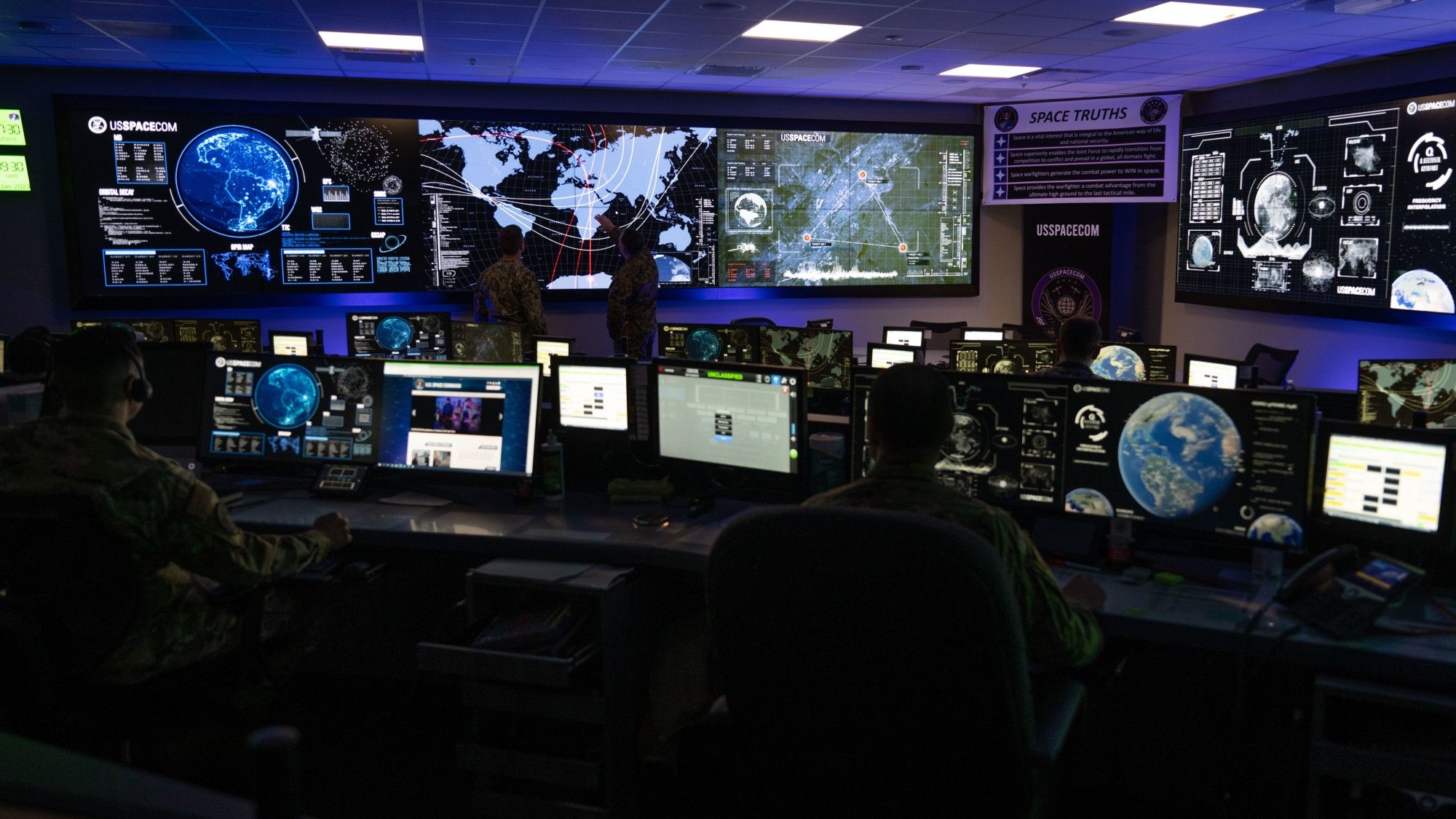
U.S. Space Command’s Apollo Maneuvers Exercise: A New Era in Orbital Strategy
U.S. Space Command recently conducted its first “Apollo Maneuvers” exercise, where various spacecraft maneuvered through simulated contested environments. This exercise, which included contributions from all branches of the U.S. military, aimed to enhance the ability to conduct “dynamic on-orbit operations” and validate logistics in contested spaces.
Understanding the Exercise
The Apollo Maneuvers were designed to refine what has been referred to as “orbital dogfighting.” This concept involves satellites and spacecraft moving in close proximity to one another while simulating conflict scenarios. According to Space Force’s Vice Chief of Space Operations, Gen. Michael A. Guetlein, this form of maneuvering in space echoes the dogfighting tactics used by fighter jets in aerial combat.
Importance of Maneuverability
The exercise highlighted that the side capable of maneuvering effectively will dominate operational rhythms in orbit. Space Force Gen. Stephen N. Whiting emphasized the need to maneuver not just for positional changes, but to gain tactical advantages in potential confrontations.
With various nations developing capabilities for countering or disabling satellites, the need for the U.S. to refine its strategies and technologies in space has never been more pressing.
Future Technologies and Strategies
Despite the advancements demonstrated in exercises like the Apollo Maneuvers, U.S. Space Command acknowledges the necessity for further developments, including the enhancement of “orbital interceptors.” Such capabilities would be crucial for deterring space conflicts.
In the coming years, as global tensions in space increase, exercises and partnerships aimed at refining orbital strategies will be essential for maintaining a competitive edge.