Researchers Chase Reentering Satellites to Study Space Debris Pollution
A team of researchers recently pursued two reentering satellites in a private jet to investigate the pollution caused by space debris burning up in Earth’s atmosphere. The satellites, the European Space Agency’s Tango and Samba, were part of the Cluster constellation that studied Earth’s magnetic field and the solar wind over 25 years. Their controlled reentry offered a unique opportunity to collect data on how satellites break apart and what chemical compounds are released.
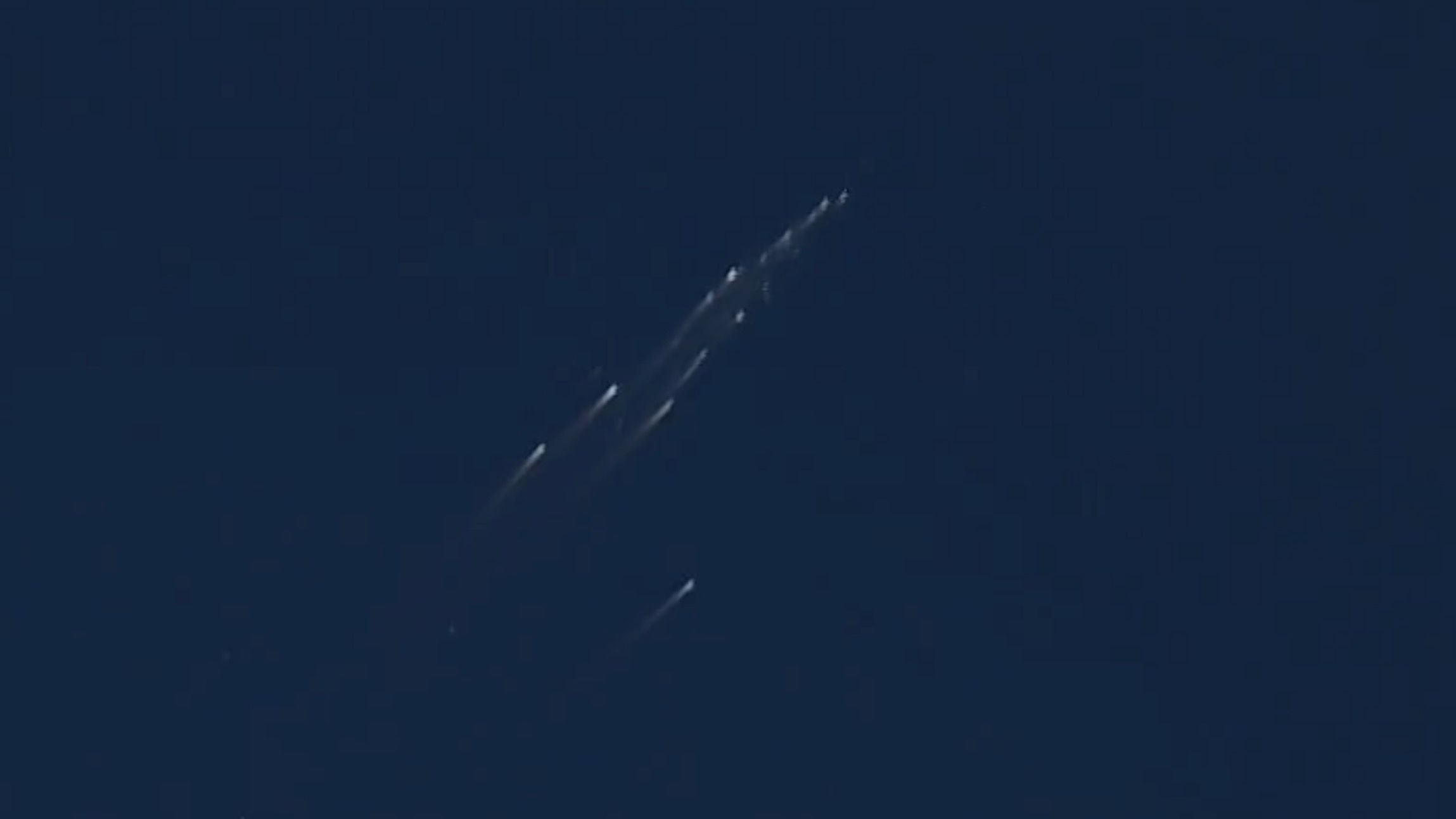
On August 31 and September 1, the international team tracked the satellites as they reentered above the southern Pacific Ocean, near Tonga. The event was remarkable, visible even to the naked eye, with spectacular fireballs lasting several seconds. The research aimed to understand the mechanisms behind satellite disintegration and the formation of chemical compounds during reentry.
Scientific Goals and Methods
With plans by companies like SpaceX and Amazon to launch thousands of satellites, understanding the effects of reentries on Earth’s atmosphere is crucial. Many details about how satellites burn up and the risk of fragments reaching the ground are still unclear. The researchers employed a private jet equipped with 30 cameras and spectrometers to capture data as the satellites entered the atmosphere.
The aircraft’s altitude allowed the team to avoid clouds and distortions, positioning themselves about 75 miles away from the satellites, which entered at 22,370 mph. They monitored the reentries, tracking fragments and measuring chemical signatures, focusing on compounds like titanium, sodium, potassium, and aluminum.
Findings and Implications
A significant focus was on aluminum, a primary component of many satellites that may form aluminum oxide when burned, a compound that could potentially trigger ozone depletion in the atmosphere. The researchers will analyze their data to inform atmospheric physics and chemistry models, helping predict the environmental impact of the expanding satellite industry.
Insights from this research could improve our understanding of the chemical reactions occurring during satellite reentry and the implications for Earth’s climate, validating theoretical models against real-world observations. The team’s previous experience from earlier missions has enabled them to refine their techniques for gathering data during these rare events.