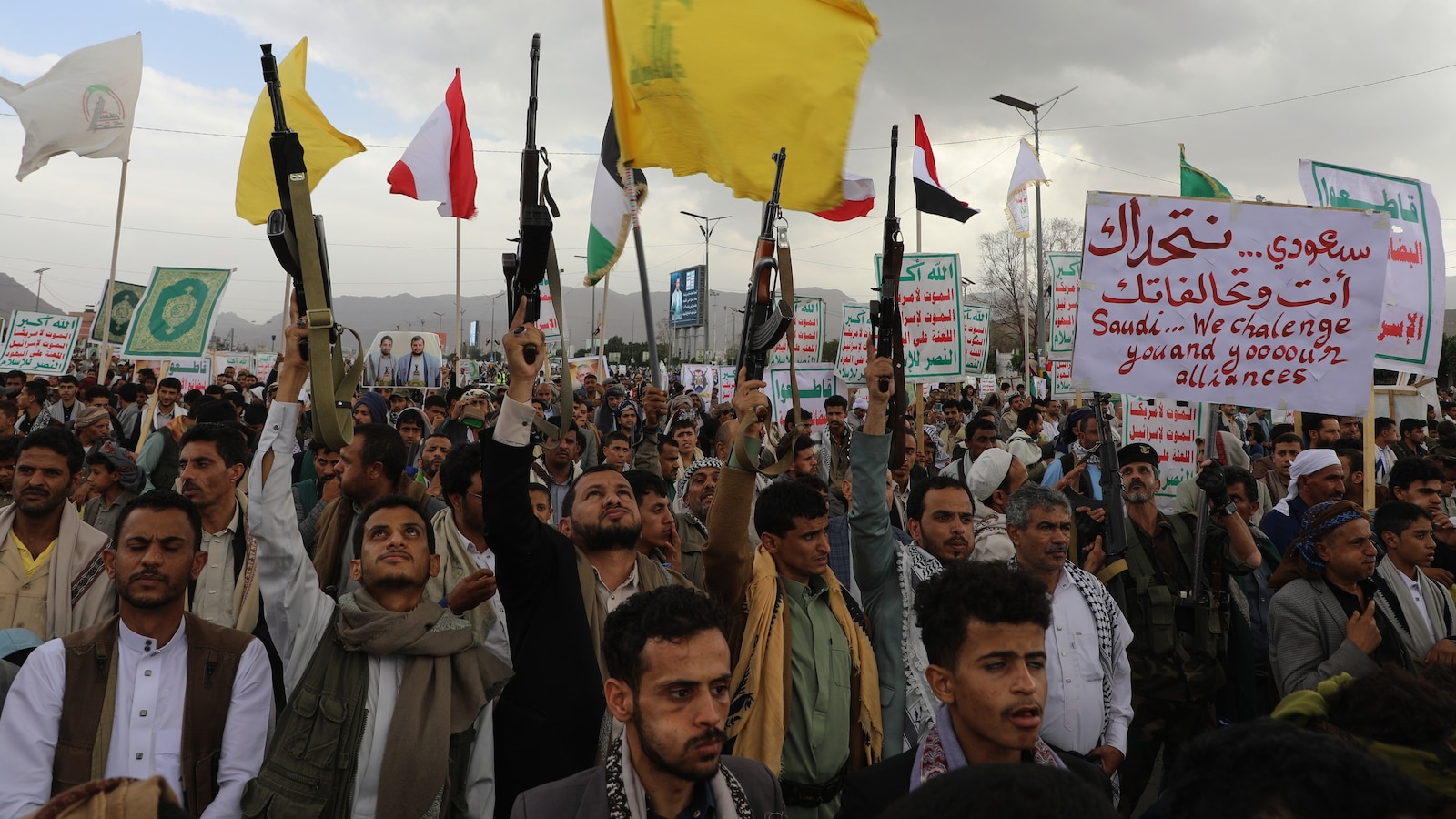
The recent escalation in tensions in the Middle East, particularly involving Saudi Arabia, Iran, and the Houthis, highlights a complex web of regional conflicts. After U.S. and Saudi strikes against Iran-backed militias in Iraq, reports suggest that coordination between the Houthis and these militias has intensified, demonstrating a new level of strategic partnership.
Iran’s influence extends across various groups, with the Houthis now becoming increasingly involved in operations against Saudi Arabia, particularly following the attacks on oil facilities attributed to them. This collaboration appears to be a strategic maneuver by Iran to raise the stakes for U.S. and Saudi involvement in the region.
The potential for full-scale conflict looms as Houthi attacks have presented a severe threat to Saudi Arabia’s oil infrastructure. Additionally, the ongoing war in Gaza has fostered closer ties between the Houthis and Iraqi militias, complicating the regional security dynamics further.
Experts indicate that the Houthis’ increasing military capabilities and the Iranian strategy of using proxy forces could provoke a significant military response from Saudi Arabia. The situation remains tenuous, with rising attacks prompting discussions around possible escalations into broader conflict. The war in Yemen, which has seen dire humanitarian consequences, adds another layer of complexity, with both sides appearing ready to continue hostilities in hopes of recalibrating power dynamics in the region.