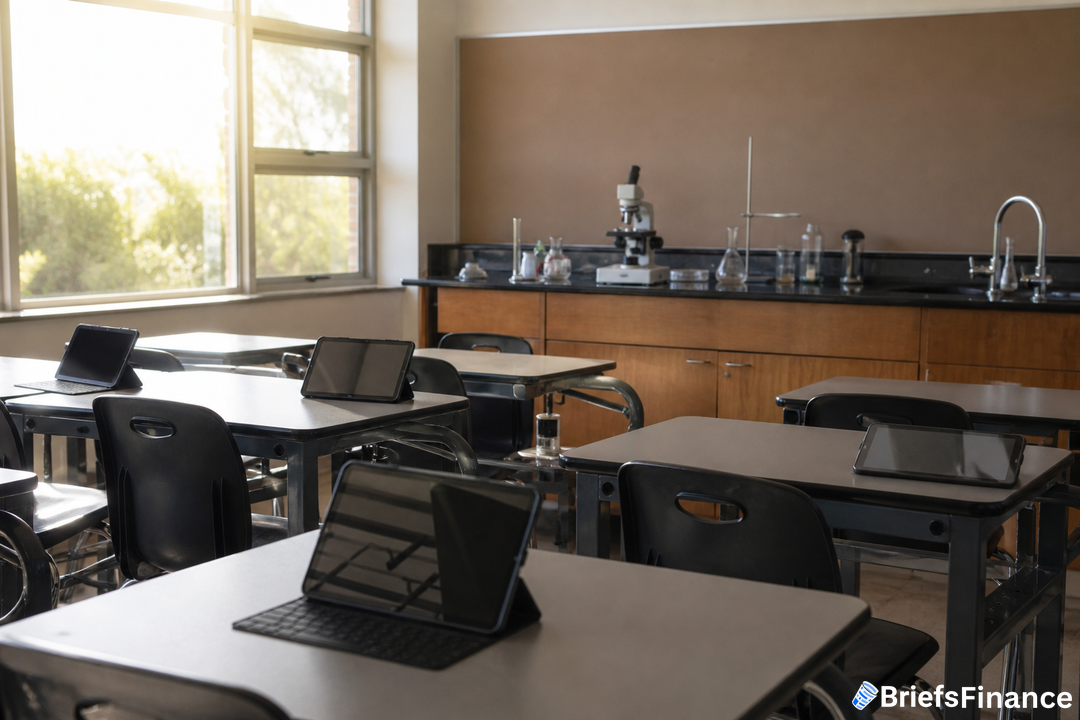
The latest PISA data from the OECD reveals that students who rarely use AI for writing have significantly higher science scores compared to those who use AI daily. Specifically, teenagers who seldom rely on AI scored an average of 509, while daily users scored 481, indicating an 18-month gap in instructional time when controlling for socio-economic factors. This trend extends to activities like early research and summarizing readings.
Key Insights:
-
AI Utilization Patterns: Only 14% of students report infrequent AI use, with notable differences across countries, such as 40% in Japan versus just 4% in Vietnam. However, nearly 20% use AI daily, which remains relatively uncommon.
-
Frequency Matters: Students using AI about once or twice a week performed better than both light and heavy users. Those who utilized AI to facilitate learning scored higher than those who did not engage with AI.
-
Educational Implications: Andreas Schleicher, the OECD’s Director for Education and Skills, stresses that AI should augment, not replace, active learning. Encouraging students to engage critically with AI-generated content can enhance learning outcomes.
-
Policy Responses: Following these insights, places like New York City have restricted AI use in younger grades, and other institutions are reevaluating teaching methods in light of AI’s capabilities.
-
Future Considerations: Effective use of AI in education could improve skills and productivity, impacting future earnings. Schools’ approaches to integrating AI will significantly shape long-term educational and economic outcomes.
The PISA findings highlight the need for a balanced approach to technology in education, emphasizing the importance of critical engagement over passive consumption.