Driven to Serve: How Taylor Searcy turned Navy service into clean energy strategy at GM
Date: September 8, 2026
Most people don’t think about energy until the lights go out. Transportation becomes an afterthought until the road is closed, and the complex systems that keep us moving are often taken for granted—until they fail. Taylor Searcy has spent much of his career analyzing these systems.
Background on Taylor Searcy
As a young Surface Warfare Officer aboard USS Lassen, Taylor was entrusted with the navigation of a $1 billion destroyer and the safety of over 300 sailors. Each hour required situational awareness, and every decision carried weight. The success of operations depended on teamwork and system synergy.
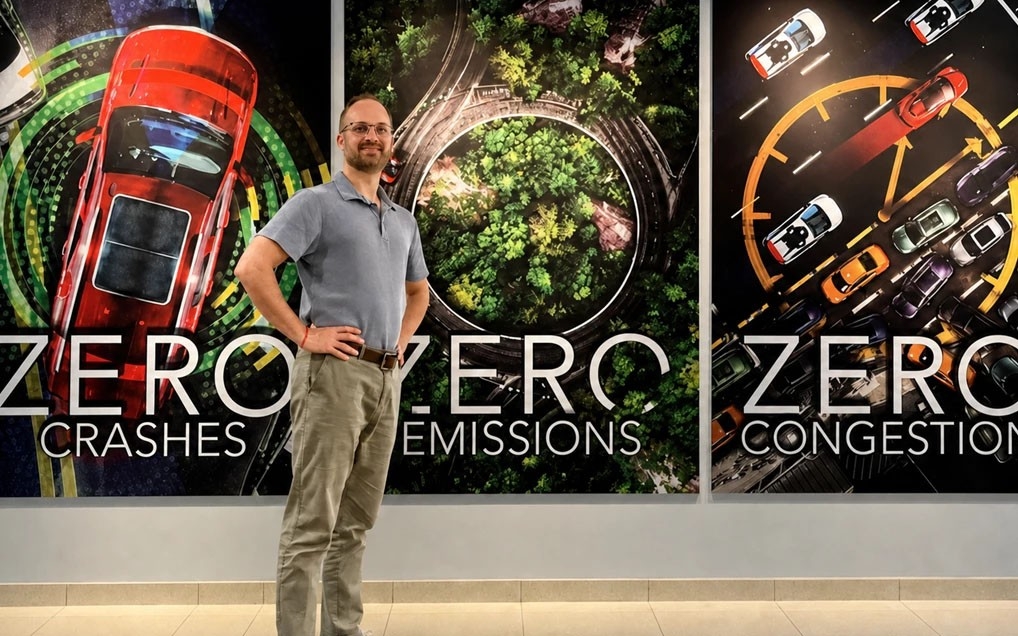
Now, as the Clean Energy Strategy Lead at General Motors (GM), Taylor focuses on energy requirements for GM’s assembly plants and design centers, striving to support cleaner energy solutions while maintaining cost and reliability.
Learning Through Experience
One of Taylor’s impactful experiences occurred during his first port visit to Dili, Timor-Leste. There, he observed nightly blackouts, which opened his eyes to the vital role that energy plays in day-to-day life. Later, in Fiji, he researched sustainable maritime transportation and noted how remote communities relied on sporadic ship visits for essential goods and services.
Connection Between Navy Service and Clean Energy
What standing watch taught him:
“Responsibility is not about making every decision alone,” says Taylor. It’s about understanding authority, teamwork, and knowing when to escalate issues—a lesson he applies in his current role.
Navy skills in the workplace:
Taylor emphasizes the importance of developing flexible plans with contingencies. “In the Navy, you couldn’t just stick to a plan; you had to adapt quickly to changing conditions. That principle is essential in today’s complex work environment.”
Realization of energy reliance:
During his first port visit to Dili, Taylor recognized that reliable energy was more than just lights; it was essential for daily life and stability for the inhabitants.
Transition to Clean Energy
Post-Navy, Taylor pursued a dual master’s degree program in Japan and Germany, focusing on sustainable maritime transportation, which solidified his interest in sustainability. He realized that clean energy directly connected to resilience and human interconnectedness.
Role at GM and Broader Impact
Taylor notes that GM uses vast amounts of energy in vehicle production, making reliable energy crucial for operations. He is proud of GM’s achievement in securing enough renewable energy to match 100% of its U.S. electricity usage by 2025, marking a significant milestone as the first U.S. automaker to reach this goal.
Taylor sees electric vehicles as integral to the broader energy landscape, mentioning technologies like bidirectional charging that can allow EVs to serve as home backup generators.
Advice for Fellow Veterans
“Clean energy and sustainability are vast fields,” Taylor shares. He encourages veterans to recognize their valuable skills and reach out within their networks. “Your experiences in the Navy have equipped you with a unique understanding of responsibility and teamwork. Trust those skills as you seek your next mission.”
Conclusion
Taylor Searcy exemplifies how military experiences can inform and enhance careers in civilian sectors, particularly in vital fields like clean energy. His journey reflects the importance of integrity and adaptability—traits fostered in the military—that are essential for navigating the complexities of modern industry.
Find out more about how veterans and military-connected employees at GM create meaningful impacts by visiting GM Careers.