Insights into Forest Species Diversity: A Field Study at SERC
By K. Fred Huemmrich
From July 30 to August 5, 2026, a dedicated team from NASA’s Goddard Space Flight Center’s Biospheric Sciences Laboratory carried out critical fieldwork at the Smithsonian Environmental Research Center (SERC) near Edgewater, Maryland. This research aims to leverage airborne remote sensing to better understand forest species diversity.
The Research Team
The study involved a diverse group of specialists:
- Petya Campbell (University of Maryland Baltimore County, forestry)
- Natalia Quinteros Casaverde (Southeastern Universities Research Association, forest ecologist)
- Andres Baresch (University of Maryland College Park, forest ecologist)
- Eric Ward (University of Maryland College Park, global change ecologist)
- Dhruva Kathuria (Morgan State University, ecosystem modeler)
- Skye Caplan (Oceans Lab, Science Systems and Applications Inc., remote sensing scientist)
- Fred Huemmrich (University of Maryland Baltimore County, remote sensing scientist)
Their combined expertise spans remote sensing, modeling, spectral ecology, forestry, and ecophysiology.
Understanding Species Diversity
Species diversity is vital for ecosystem health, influencing forest productivity and resilience against stressors such as drought and pest infestations. However, traditional inventory methods are labor-intensive and time-consuming. Remote sensing offers a revolutionary way to map species diversity through spectral reflectance—the unique light signature emitted by plants. Hyperspectral imagery enables researchers to identify subtle differences among species.
BiodiversiTREE Design
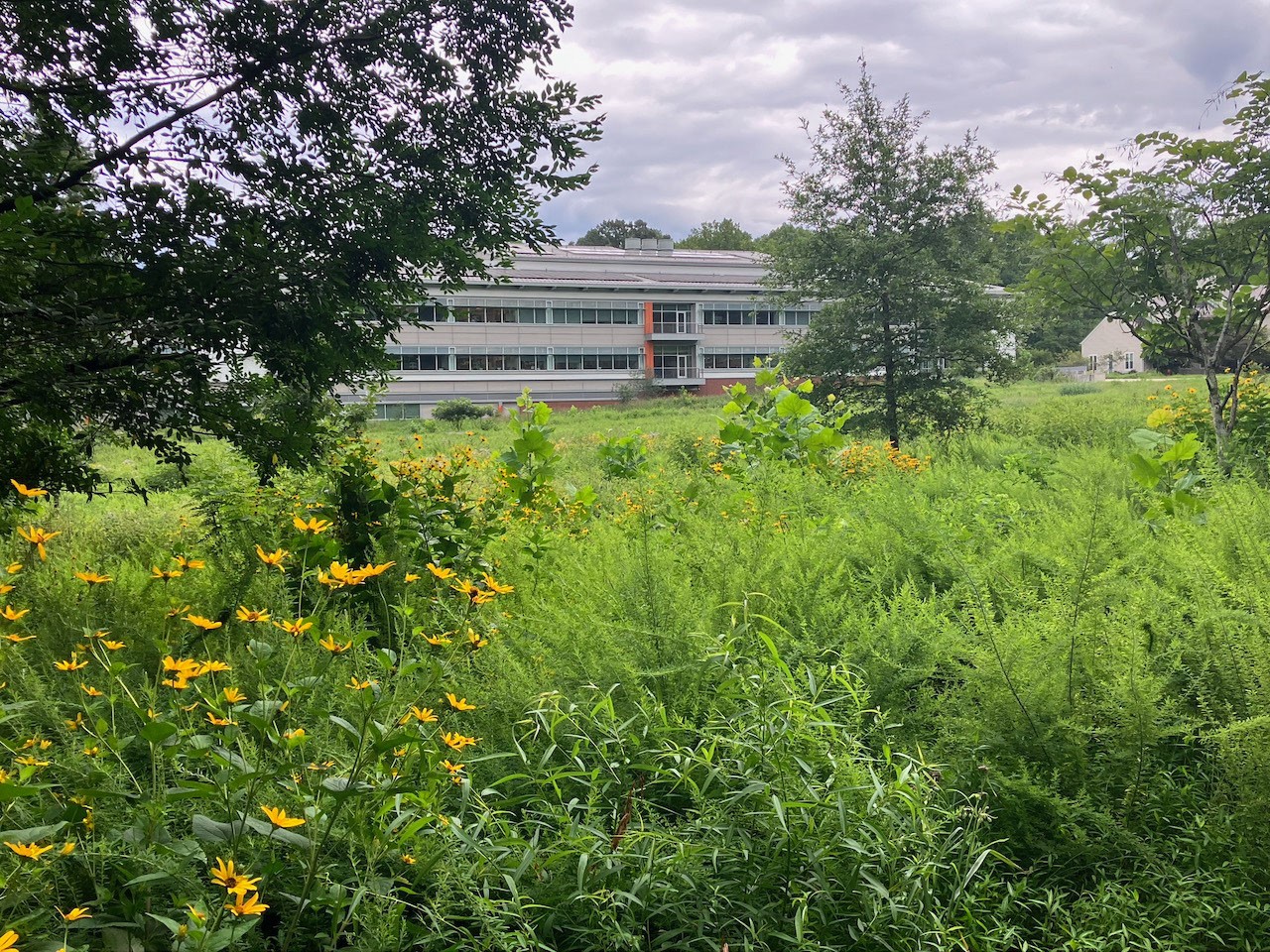
BiodiversiTREE, initiated by John Parker, is a controlled experiment focusing on how tree diversity impacts ecosystem function. Since its establishment in 2013, over 17,000 trees representing either single species or mixtures of four or twelve have been planted across more than 70 plots. This setup not only aims to measure reforestation success but also serves as a perfect site for studying forest diversity using remote sensing techniques.
The team studied leaf reflectance to identify unique signatures among broad-leaf tree species, assessing how these characteristics might vary based on tree competition and diversity.
Field Methods and Equipment
Daily fieldwork involved collecting leaf samples from the upper branches of selected trees. Spectrometers measured how leaves reflect light across hundreds of wavelengths, providing insights into species health indicators like chlorophyll levels and photosynthetic capacity. The goal is to correlate these ground measurements with aerial data collected from specialized aircraft.
Collaborating with NEON
To maximize the study’s effectiveness, the fieldwork coincided with overflights by the National Ecological Observatory Network (NEON) Airborne Observing Platform. NEON’s imaging spectrometer collects vast ecological data and complements the ground-based measurements, allowing researchers to analyze spectral reflectance differences at both leaf and canopy levels.
Future Directions
The team’s research aims to answer vital questions about species and spectral relationships:
- Do these relationships differ among species?
- Are there consistent spectral reflectance patterns among tree species?
- How do ground measurements correlate with canopy-level insights from NEON flights?
Understanding these aspects will enhance techniques for monitoring forest diversity and improving reforestation practices through remote sensing.
By integrating field data with aerial observations, this research sets the stage for advancing our comprehension of forest ecosystems and their diverse species, ultimately aiding global reforestation efforts.