Scientists Control Wireless Brain Implant Across Continents
Using an internet connection from Chicago, scientists successfully operated a wireless brain implant located in South Korea, demonstrating the potential of connected technology to transform neuroscience research. The experiment confirmed that brain experiments could be conducted across thousands of miles with minimal delay.
Key Details
According to ScienceAlert, the team managed to send commands over 6,584 miles (10,596 kilometers) with an average response time of about 109 milliseconds. Commands initiated in Chicago were transmitted to a lab in Daejeon, South Korea, and then wirelessly to a brain implant in a freely moving rat.
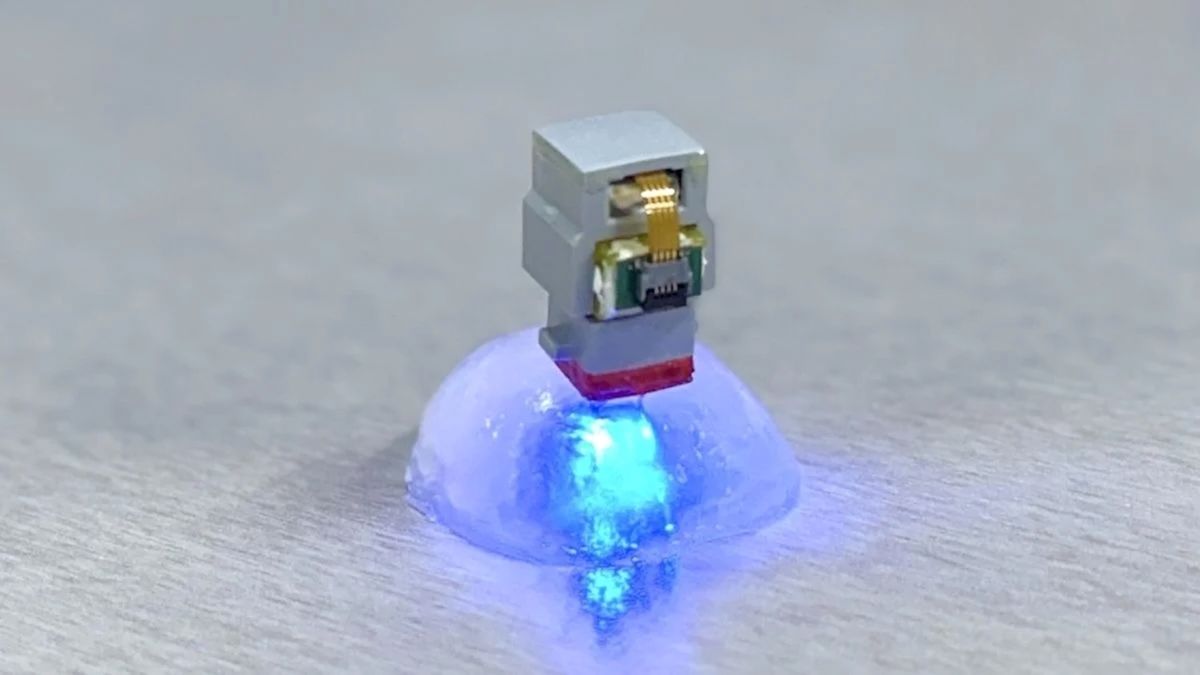
The device, called RAPIDO, developed by researchers at KAIST and Yonsei University, can release substances and emit light, both of which can be controlled remotely via the internet.
Remote operation minimizes disruptions in animal behavior, allowing for more accurate experiments and enhancing international collaboration. Jae-Woong Jeong, the study leader, emphasizes that such a setup provides the ability to conduct long-term experiments with reduced intervention from researchers.
Research Context
Two rat studies evaluated RAPIDO. In the first study, the implant released varying doses of cocaine, influencing the rats’ movements in a dose-dependent manner. The second study utilized optogenetics—using light to control cells—while ensuring that the effects of light were isolated from the cocaine’s effects.
These experiments showed that the platform could investigate causal relationships between neural manipulations and behavior effectively.
Future Implications
RAPIDO combines several wireless implant capabilities, such as refillable drug delivery and targeted light stimulation. This innovation could lead to advancements in research methodologies, significantly reducing the need for surgeries and minimizing animal handling.
While promising, the researchers are cautious about the implications for human use. Jeong states that the priority is establishing long-term safety and reliability for potential clinical applications.
Broader Innovations
The development of RAPIDO aligns with the trend of creating medical devices that operate wirelessly and require less oversight. Examples of similar innovations include a first-of-its-kind wireless brain implant in Michigan and a new battery-free health monitoring device.
These efforts focus on enhancing usability and accessibility, particularly in areas with limited infrastructure, ultimately aiming to improve health outcomes globally.
Learn More
To stay updated on advancements like RAPIDO and other health technology stories, consider subscribing to newsletters that offer insights and practical advice for health and technology improvements.