Key Facts about the International Space Station (ISS)
-
Orbit Speed and Duration:
- The ISS completes one orbit around Earth every 90 minutes.
- It travels at approximately 17,000 mph (5 miles per second), allowing it to witness 16 sunrises and sunsets every day.
- In a single day, the ISS covers a distance similar to the round trip from Earth to the Moon.
-
Size and Structure:
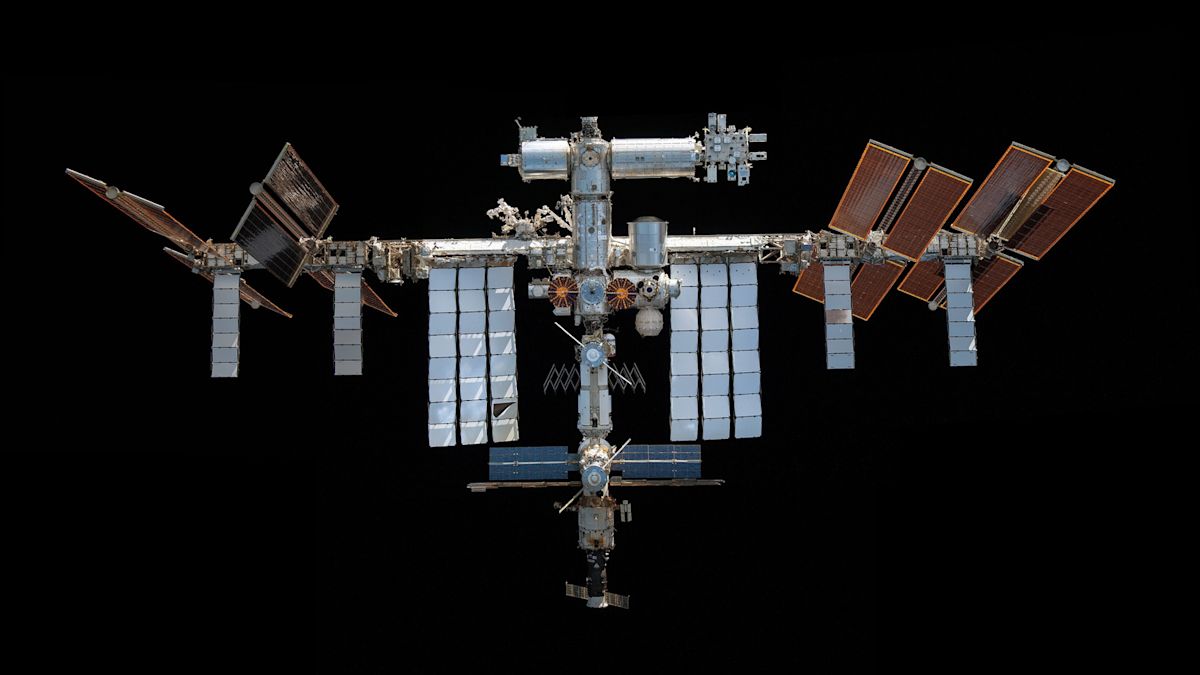
- The ISS is massive, measuring 356 feet—just a few feet short of a regulation football field.
- Its pressurized section is comparable in size to a Boeing 747 cabin, with a total mass of around 925,335 pounds.
-
Orbit Characteristics:
- The ISS orbits at an altitude of 200-250 nautical miles above Earth and requires occasional boosts to maintain its orbit due to gravitational pull, as it doesn’t have constant rocket propulsion.
- Its orbit is inclined at 51.5 degrees to the equator, enabling it to cover various parts of the globe over time.
-
Collision Risks:
- There are about 19,000 man-made objects in Earth’s orbit that pose collision risks, including old satellites and debris.
- In 2022, the ISS had to maneuver to avoid collision with debris from an anti-satellite test.
-
Visibility:
- The ISS can be seen without equipment, though success in spotting it depends on weather and timing.
- Observers can use online resources to find out when the ISS will be visible from their locations.
- For a more dramatic view, the ISS can transit across the Sun or Moon, requiring specialized equipment to capture.
If you’re interested in seeing the ISS, timing and location are key, along with a bit of luck concerning the weather.