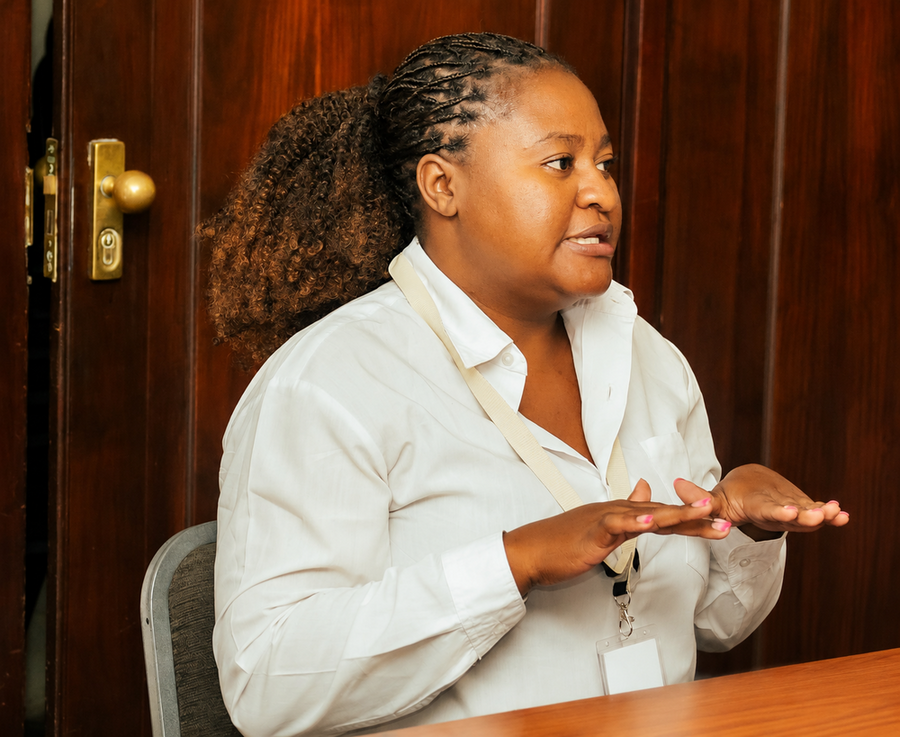
This powerful piece by Temwanani Banda highlights the critical intersections of energy poverty, women’s labor, and environmental justice in Blantyre, Malawi. Banda shares her personal narrative about the daily struggle for cooking fuel, illustrating how this challenge not only consumes time but also impacts health and opportunities for women and girls.
She emphasizes that energy poverty disproportionately burdens women, as they are primarily responsible for sourcing fuel, often enduring unsafe conditions in the process. The Eco-Feminist Energy Justice Project, which Banda is involved with, has transformed her experience by providing access to cleaner, more affordable energy. This change has allowed her to reclaim valuable time, invest in her business, and engage more meaningfully with her family and community.
Banda advocates for the inclusion of women’s voices in energy discussions, arguing that solutions to energy poverty must consider the realities faced by women. Her story reflects a broader movement towards energy justice, where women are not merely recipients of aid but active participants in shaping sustainable energy solutions.
In her closing thoughts, she illustrates the profound implications of energy justice: it encompasses not only access to cleaner cooking but also the return of time, health, dignity, and the power to envision a brighter future for women and their communities.