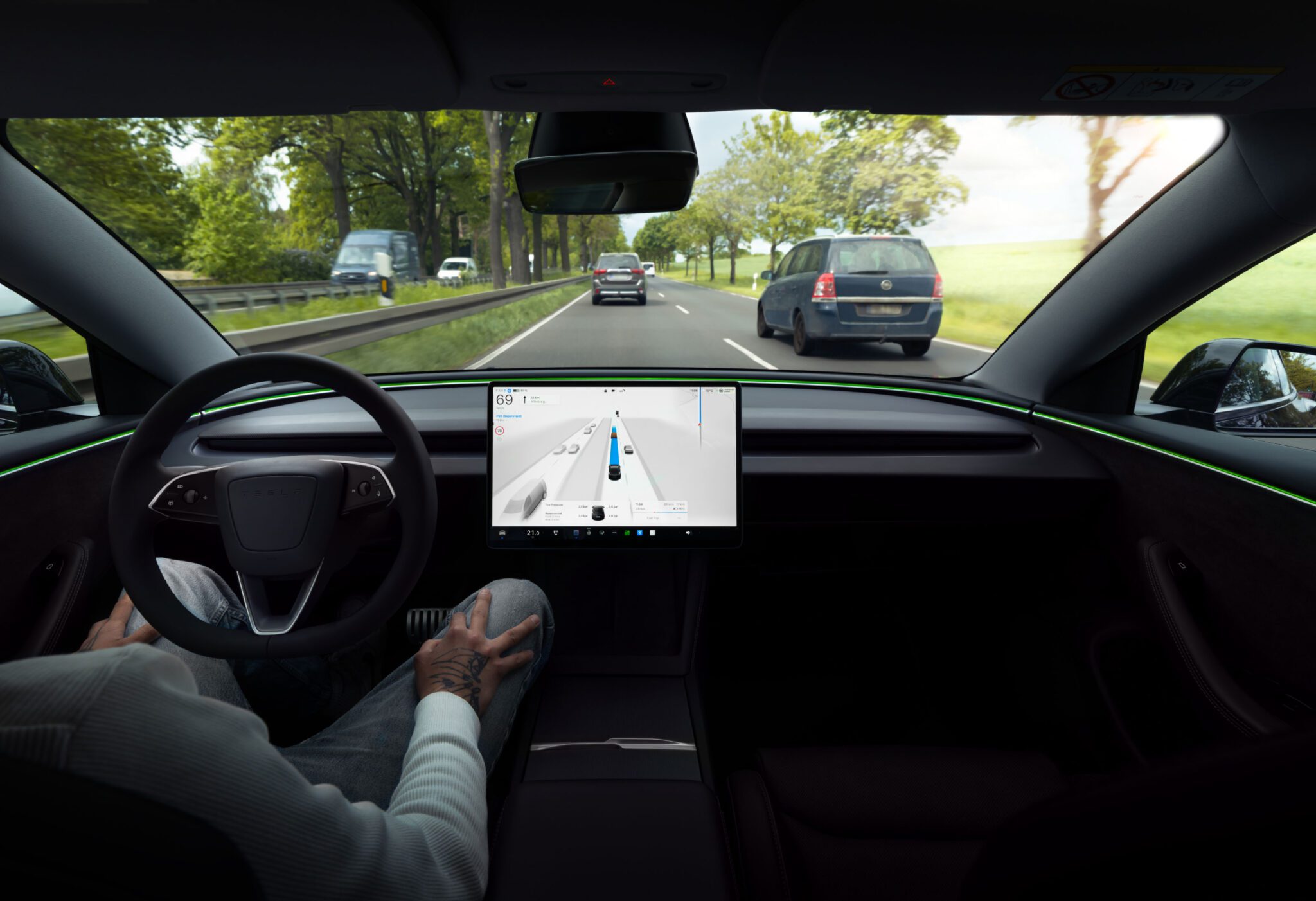
Tesla’s recent update to its Full Self-Driving (FSD) system marks a significant shift in automated driving technology. Version 14.3.9 introduces a safety mode that can override driver control in certain critical situations, which blurs the lines between supervised autonomy and full automation.
Key Features of the Update:
- Collision Detection: The system now activates automatically in the event of an imminent collision, even if the driver hasn’t engaged it, particularly when automatic emergency braking (AEB) alone may not be sufficient.
- Driver Distraction: If the system detects that a driver is heavily distracted or has disengaged FSD accidentally, it can re-engage without driver input.
Implications:
- Liability Issues: This change challenges the traditional roles of driver responsibility and raises questions about liability in accidents where the system intervenes on its own.
- Reliability Concerns: Tesla has not disclosed how often these features will activate or how they handle false positives, which raises concerns about real-world reliability.
- Advanced Maneuvering: The ability to steer and accelerate around obstacles suggests that Tesla is expanding its FSD capabilities into areas that resemble fully autonomous driving, potentially attracting regulatory scrutiny.
Summary:
This update not only enhances the safety features of Tesla’s FSD but also complicates the conversation around the transition from assisted to autonomous driving. As the technology evolves, so do the regulatory and ethical frameworks that must adapt to these changes.