Stoke Space Secures $1 Billion in Funding Despite No Flights
Stoke Space has raised an impressive $1 billion in a Series E funding round led by Point72 Ventures and Spark Capital, bringing its total funding to $2.3 billion. Notably, the Washington-based company has yet to achieve an orbital flight.
Key Investors and Funding Details
- The funding round includes participation from General Innovation, Glade Brook Capital, and others, but Stoke did not disclose its valuation.
- It’s important to note that while the announcement indicates an initial closing of a billion-dollar round, it may not mean all funds are secured.
Purpose of the Funding
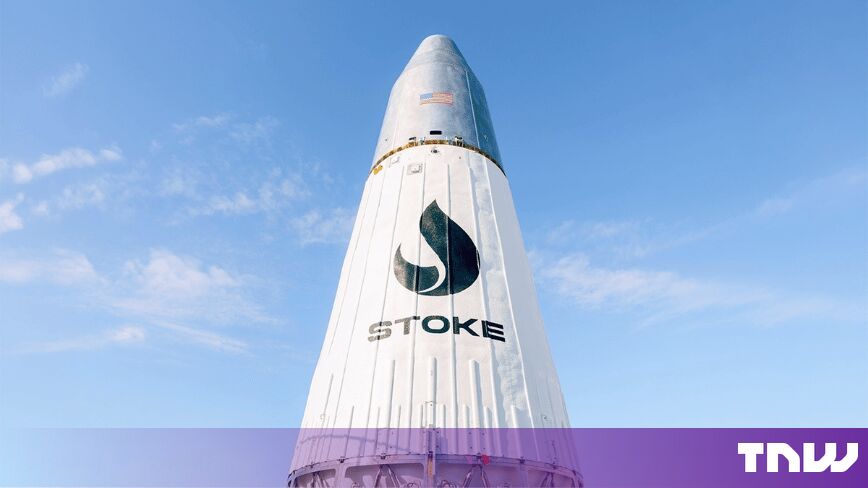
Stoke is developing Nova, a fully reusable rocket designed for rapid-flight capability. This ambitious project involves both stages returning to Earth for re-flight—a significant challenge not yet achieved at the orbital scale.
- Nova Pathfinder, the near-term vehicle, aims for its first flight by early 2027.
- Nova Block 2, targeting a 2029 launch, will enhance payload capacity to 15 metric tons for low Earth orbit.
The funding will help finance infrastructure necessary for a high-frequency launch operation, including factories and test sites, rather than just the rockets themselves.
Skepticism Around Timelines
Given the history of launch delays, skepticism surrounds Stoke’s ambitious timelines. The company has been in operation for seven years without completing its first orbital launch. The 2029 goal for Block 2 feels more like a statement of intent rather than a guarantee.
Investor Confidence Amid Market Demand
Investors continue to support Stoke, driven by a genuine demand for launch capacity. Notable recent fundraising by companies like Starcloud and Pixxel reflects a broader belief that companies will soon require more launch options.
A Contrasting European Perspective
In a noteworthy comparison, Isar Aerospace recently achieved orbit on its second flight with considerably less funding, highlighting the disparity in capital available to US companies compared to European startups. While Isar focuses on traditional launches, Stoke’s venture into full reusability represents a different level of ambition—and financial requirement.
Government Support as a Backdrop
Stoke’s technology development has received backing from various government entities, including NASA and the US Space Force. This government interest adds a layer of reliability and potential customer base beyond what private funding alone can provide.
Conclusion
As Stoke prepares for its upcoming milestones, the question remains whether it will successfully become a reusability pioneer or serve as a cautionary tale in the competitive space industry. With $2.3 billion at stake, all eyes will be on them as they work toward their first launch in 2027.