Overview of Humpback Whale Singing Research
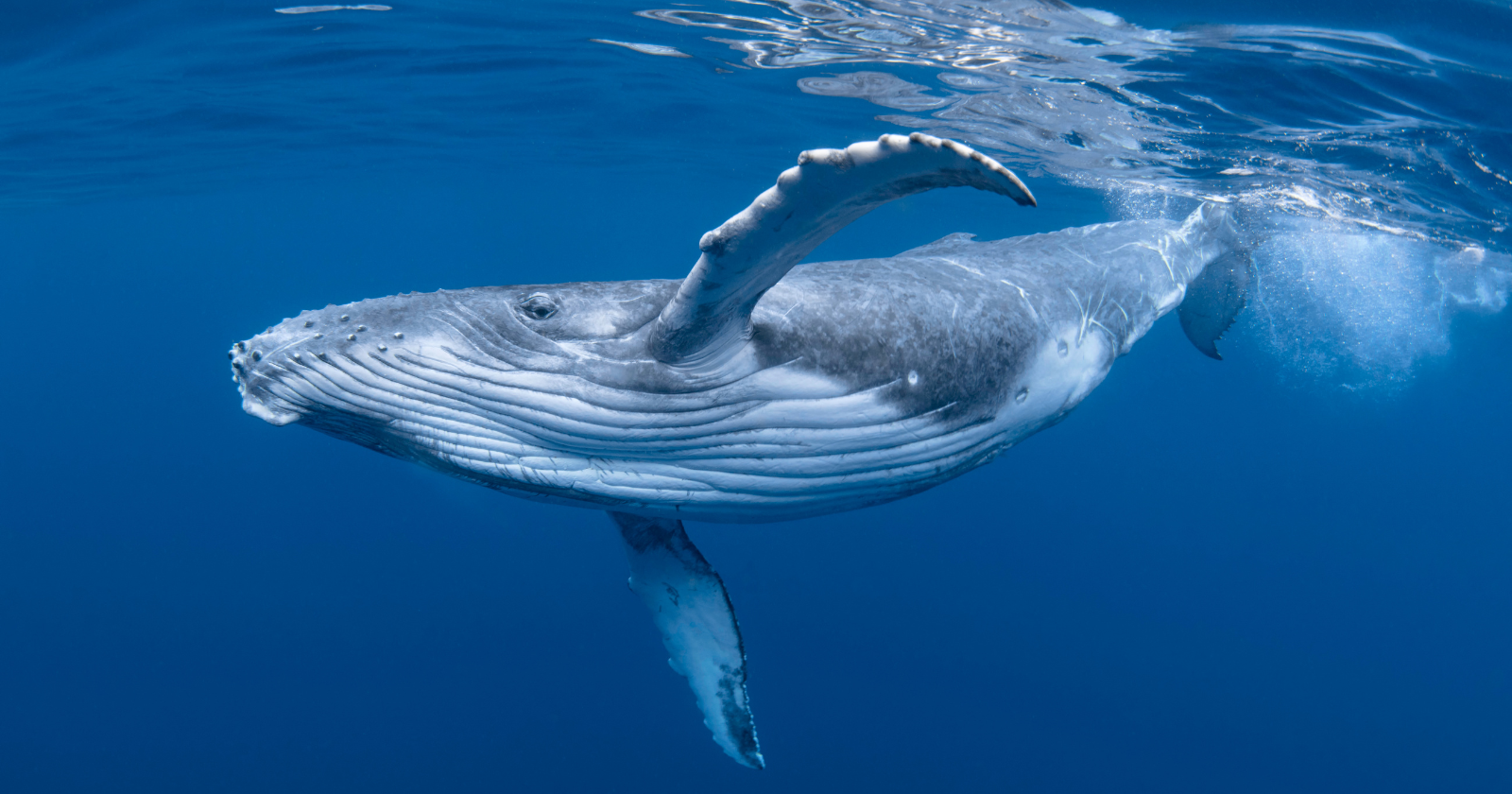
Recent research published in Current Biology has shed light on the remarkable singing abilities of male humpback whales, particularly emphasizing how their songs are intricately linked to their diving behavior.
Key Findings
-
Endurance of Singing: Male humpback whales can sing continuously for hours without suffering physical strain, contrasting sharply with human capabilities.
-
Recording Technique: Researchers attached suction-cup recording tags to 16 male humpback whales off Maui. This method allowed simultaneous recording of both sound and body movement, a significant advancement over previous studies that relied solely on hydrophone recordings.
-
Dive and Song Structure: Each dive follows a specific pattern—descent, a stable bottom phase, and ascent. The researchers found a relationship between dive phases and song themes:
- Descent: Certain song themes were more common during the descent.
- Bottom Phase: The most complex and varied songs emerged during the stable bottom phase.
- Ascent: Fewer song variations were noted during the ascent.
-
Hypothesis of Sexual Selection: The researchers propose that complex singing during the bottom phase may be a strategy for attracting mates, although definitive evidence of female choice based on song complexity is still needed.
-
Regional Song Variation: Humpback whale songs are known to change based on geographical regions, adding a layer of complexity to understanding their acoustic behavior.
Application and Implications
The findings suggest that recording underwater sounds could provide insights into whale behavior and their environment. By understanding the relationship between song and dive depth, researchers can better monitor whale populations and assess the impacts of human disturbances, such as shipping traffic, on their communication and behavior.
This research highlights the need for careful environmental management to protect these magnificent creatures and their unique songs.