Veterinary Care Shortage in Wisconsin: An Ongoing Crisis
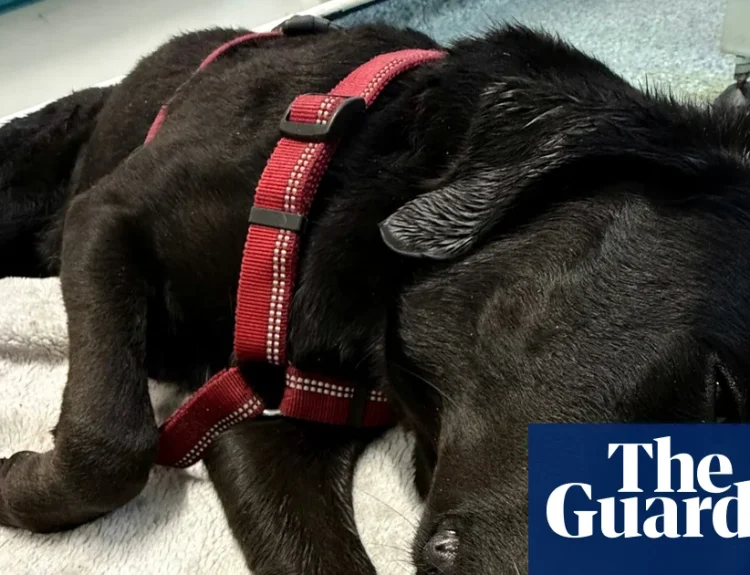
Rural communities in Wisconsin are grappling with a significant veterinary shortage, leaving farmers and pet owners with limited access to animal care. The issue has become particularly acute in places like Door County, where residents often travel over an hour to reach the nearest emergency clinic. A recent tragic instance involved Jessica Chase, who lost her dog, Capri, due to delayed veterinary care during a heavy snowstorm.
This crisis has been highlighted by the U.S. Department of Agriculture, which reported a record 243 designated rural veterinary shortage areas across the U.S., including 16 counties in Wisconsin. The shortage is attributed to a consistent demand for pet services and a lack of new veterinarians entering the workforce. Dr. Kayleigh Bull, president of the Northwestern Wisconsin Veterinary Medical Association, noted that the surge in pet adoptions during the COVID-19 pandemic resulted in overwhelming caseloads for existing veterinarians.
Educational Constraints
Wisconsin has only one accredited veterinary school at the University of Wisconsin-Madison, which admits 100 students annually, contributing significantly to the state’s veterinarian pool. However, due to capacity limitations, the college is unable to increase enrollment at this time, even though efforts are being made to expand facilities.
In an effort to retain graduates and direct them to underserved areas, Wisconsin has implemented a veterinary loan repayment program aimed at alleviating financial burdens. Many new veterinarians, like Dr. Allison Leschke, hope such programs will enable them to practice in rural settings, where compensation tends to be lower as compared to urban areas.
Work-Life Balance Dilemmas
Dr. Brian Darkow of the Wisconsin Veterinary Medical Association emphasized the difficulties of recruiting veterinary students who possess farm experience or a desire to live in rural environments. Rural veterinarians often work long hours without traditional work-life balance, making the field less appealing.
While some veterinarians find it necessary to transition to urban clinics for better pay and steadier hours, many, like Dr. Bull, express a deep commitment to serving rural communities.
Conclusion
The veterinary care shortage in Wisconsin is a complex issue influenced by educational, financial, and lifestyle factors. Without proactive measures and increased recruitment efforts, the challenge will continue to impact the welfare of both farm and domestic animals across rural areas.